

This article was automatically translated from the original Turkish version.
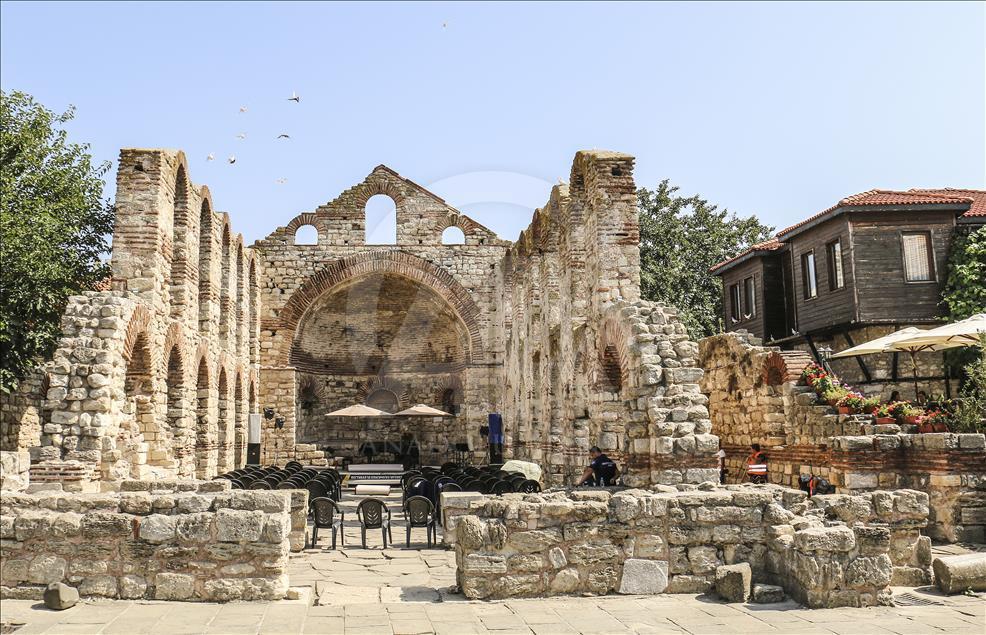
Nessebar Ancient City is a significant historical settlement located on the Black Sea coast of Bulgaria and listed on UNESCO’s World Heritage List. The city has a history spanning nearly three millennia and bears traces of various civilizations. Thracian, Greek, Roman, Byzantine, and Ottoman influences have shaped both its architecture and urban fabric. UNESCO designated Nessebar as a World Heritage Site in 1983, recognizing it as a cultural heritage of universal value worthy of preservation for its contributions to human history.
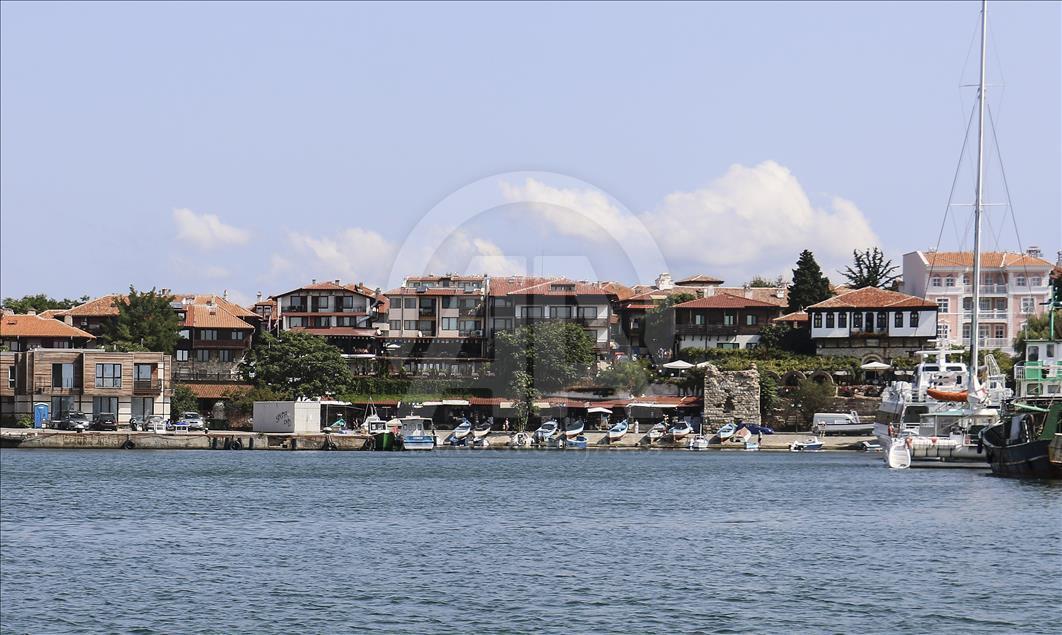
Nessebar City (AA)
Nessebar’s history extends back to the 3rd millennium BCE. The city was originally founded by the Thracians and came under Greek cultural influence in the 6th century BCE as a Dorian colony. During the Hellenistic period, Nessebar developed into a strategic center for trade and maritime transport; remains of the acropolis, the Temple of Apollo, and the agora from this era are still visible in the city today.
During the Roman period, the city continued to serve as an important military and economic hub. In the Byzantine era, Nessebar emerged as a major religious and cultural center; churches built in the 12th and 13th centuries exhibit characteristic features of Byzantine architecture. Under Ottoman rule, the city came under Ottoman administration and underwent structural changes and new architectural additions. These historical layers have transformed Nessebar into a unique settlement that presents the combined influences of multiple civilizations.
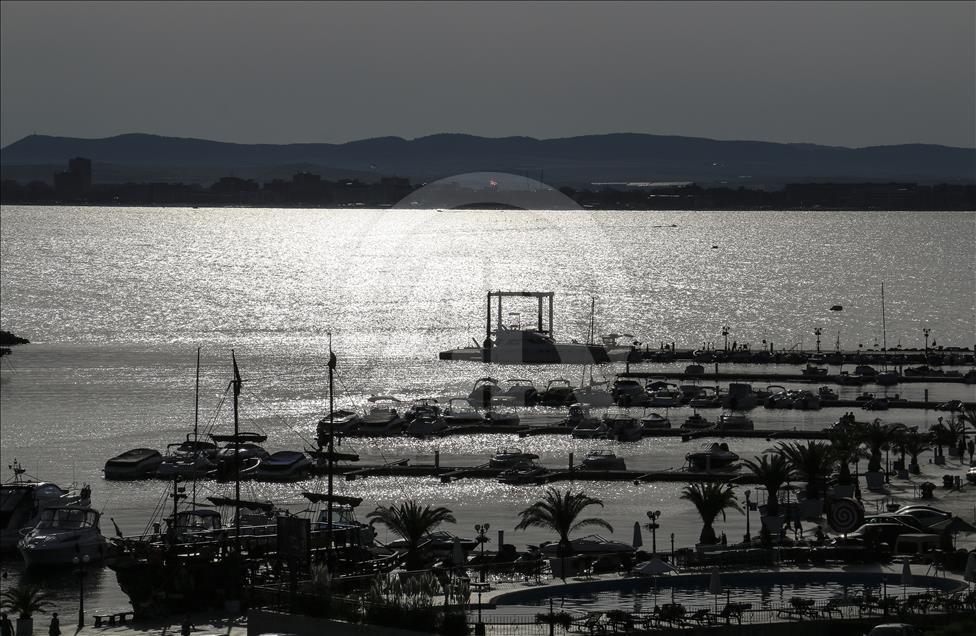
Nessebar City (AA)
Nessebar is characterized by narrow stone streets, stone houses, and churches. Buildings from the Byzantine and Ottoman periods form the fundamental elements of the urban landscape. The stone houses typically display Byzantine influences through wooden balconies and roof details, while the churches serve both religious and aesthetic functions. Today, the integration of modern residential areas with the historic urban fabric enables the city to function as both a tourist and cultural attraction. Particularly the harbor area and coastal zone are noted for their careful preservation of the historical context.
Nessebar holds great importance not only for Bulgaria but also for international cultural heritage due to its cultural and historical legacy. Its inclusion on UNESCO’s World Heritage List has ensured its protection and promoted sustainable tourism practices. While tourism contributes significantly to the city’s economy, excessive development and tourist pressure increase the risk of damage to the urban fabric. Therefore, local authorities collaborate with national and international organizations to implement conservation and restoration projects.
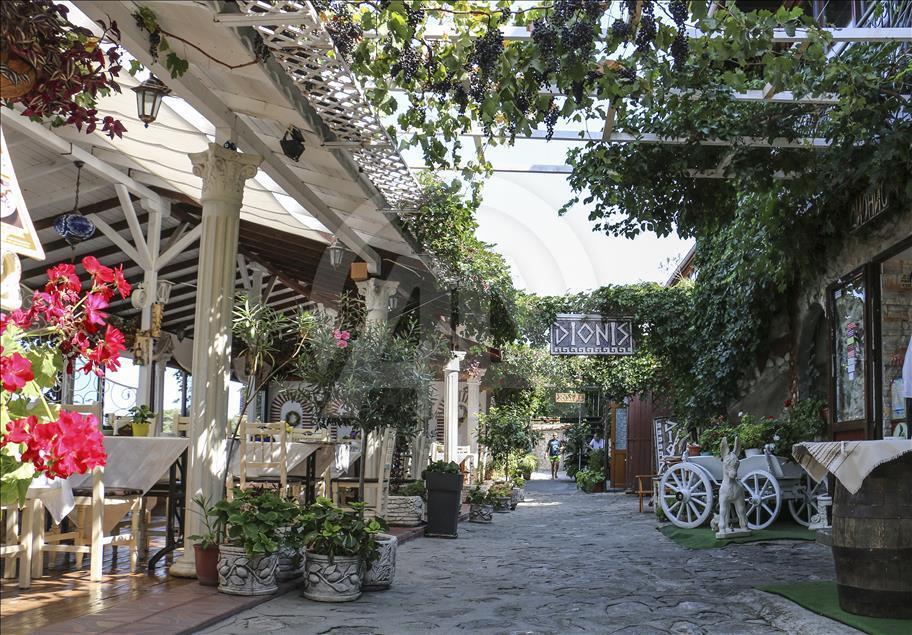
Nessebar City (AA)
Nessebar is also an important center for cultural transmission. The buildings and ruins of the city reflect a continuous historical timeline from antiquity to the present. This makes Nessebar a key reference example for academic research and cultural heritage education. Urban planning in areas where modern life continues plays a vital role in preserving the historic fabric and raising public awareness.
Today, Nessebar is a protected cultural heritage site under UNESCO’s World Heritage program. The city’s stone structures and churches attract both local and international tourists. Tourism activities and restoration efforts enhance both the economic and cultural value of the city. However, excessive tourist pressure can lead to the deterioration of certain buildings and damage to the urban fabric. Consequently, conservation strategies are carefully planned to ensure the long-term preservation of the city’s aesthetic and historical values.

No Discussion Added Yet
Start discussion for "Ancient City of Nessebar" article
Historical Background
Architecture and Urban Fabric
Social and Cultural Significance
Current Status and Conservation Efforts