

This article was automatically translated from the original Turkish version.
+1 More
Location | Ordu Province Fevzi Çakmak Street Selimiye Neighborhood Altınordu District | ||||||||
|---|---|---|---|---|---|---|---|---|---|
Year of Construction | 1770 (as wood), 1802 (reconstructed in stone) | ||||||||
Patron | Atik İbrahim Paşa | ||||||||
Current Use | Camii | ||||||||
Protection Responsible | General Directorate of Foundations | ||||||||
Other Name(s) | rta Camii | ||||||||
Atik İbrahim Paşa Camii is located on Fevzi Çakmak Street in the Selimiye Neighborhood of Altınordu District, Ordu Province. It is also commonly known among the public as Orta Camii. Originally constructed in 1770 by Atik İbrahim Paşa as a wooden log mosque, the structure, which had deteriorated over time, was rebuilt in 1802 using stone materials.
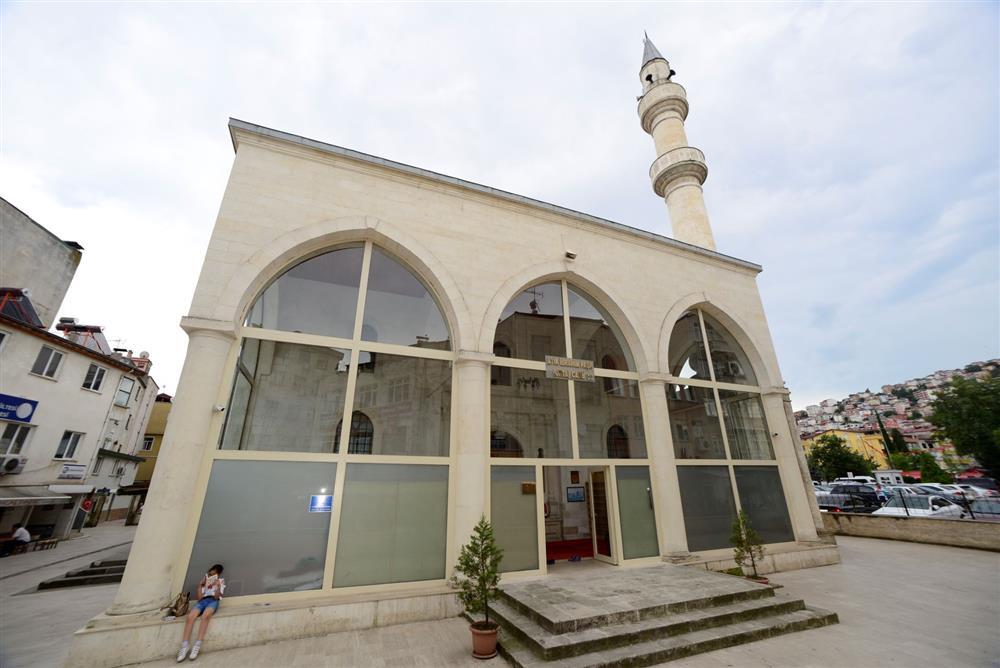
Atik İbrahim Paşa Camii (Ordu Provincial Directorate of Culture and Tourism
The mosque has a rectangular plan and was constructed using a rubble stone system. The material used is cut stone. The building consists of a prayer hall, a women’s gallery, and a rear congregation area. The rear congregation area is vaulted with pointed arches. There are two entrances on the north and east facades. The north entrance features a round arch with two columns on each side; the column capitals are decorated with composite and vegetal motifs. The entrance on the east facade has one column on each side with vegetal ornamentation. The doors are double-leaf and made of wood.
The mosque’s minaret, constructed of cut stone in the northwestern corner, is designed with two balconies. The windows are pointed on the exterior and semicircular on the interior, with wooden guillotine-style frames. There are two windows on the south facade, seven on the east facade, eight on the west facade, and five on the north facade.
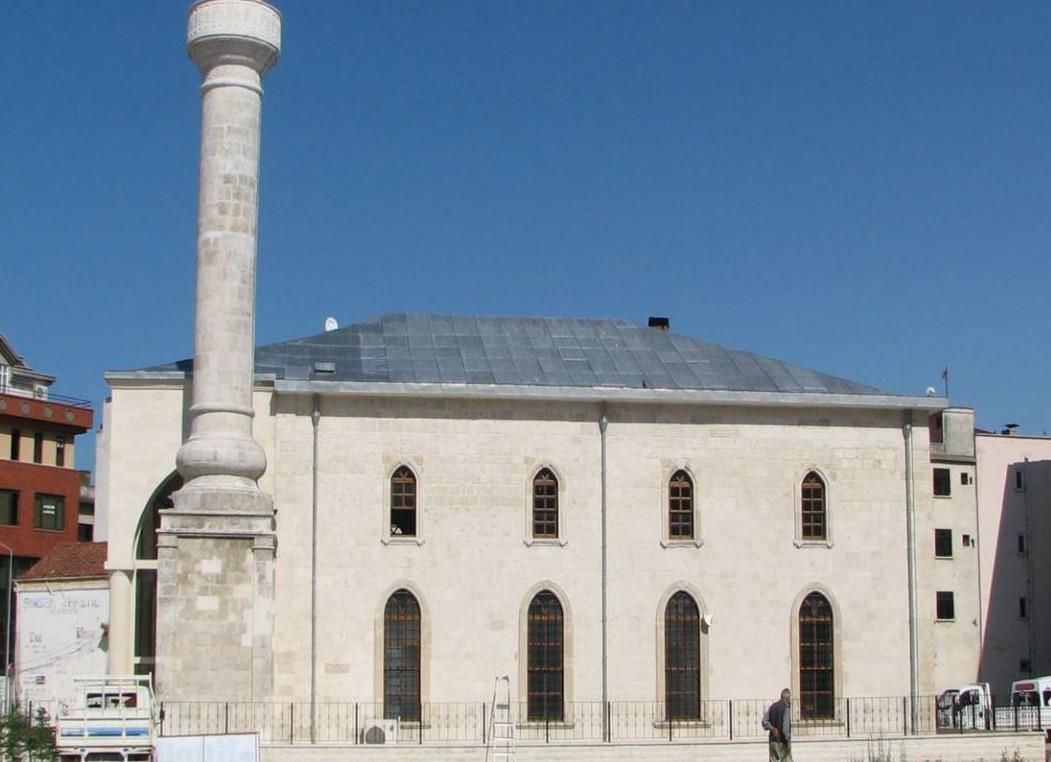
Atik İbrahim Paşa Camii (Ordu Provincial Directorate of Culture and Tourism
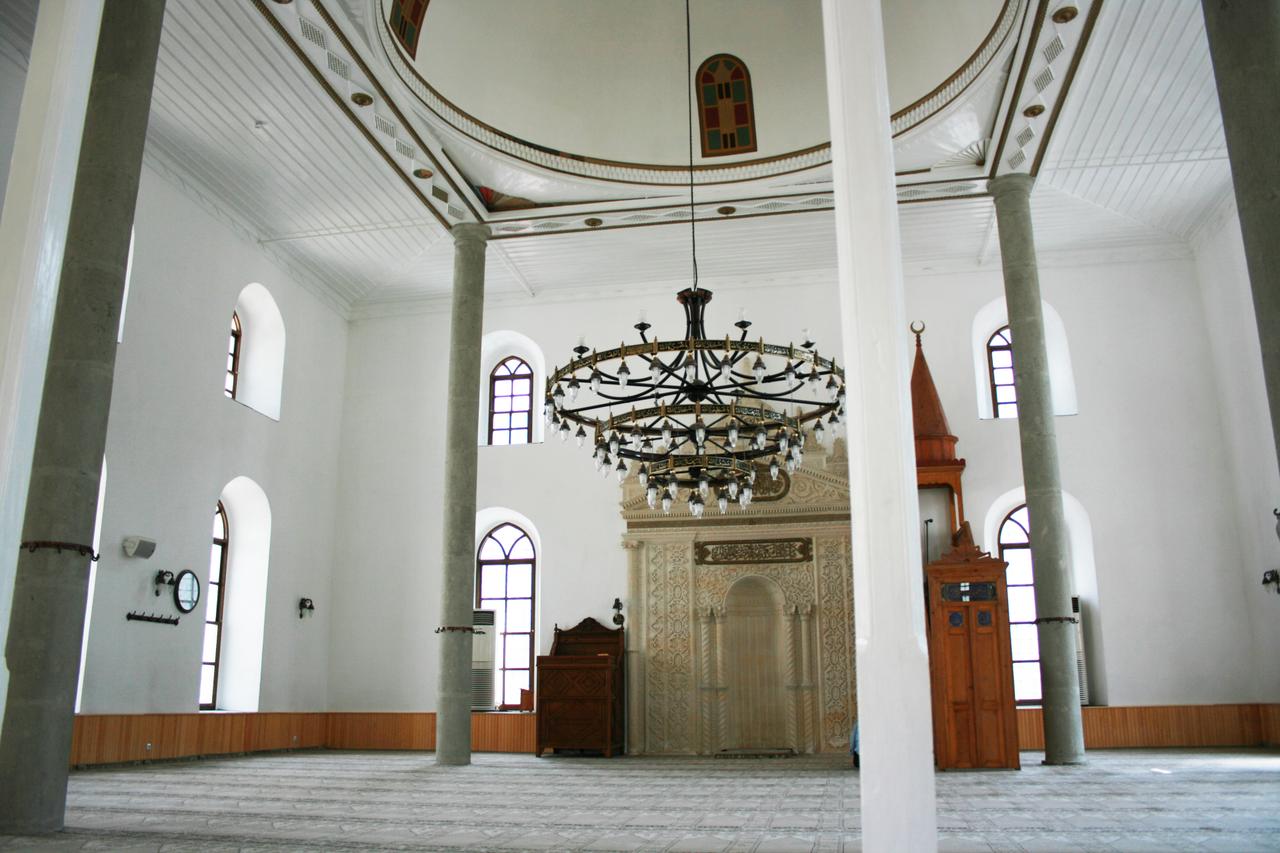
The interior walls are plastered and lack decorative elements. Access to the women’s gallery is via a double-flight staircase from the prayer hall. The mihrap is made of stone and features ornate stone carving. The minbar and pulpit are wooden but are not original. The interior ceiling consists of a central dome and side flat ceilings, all constructed of wood. The dome contains limited penwork decoration.
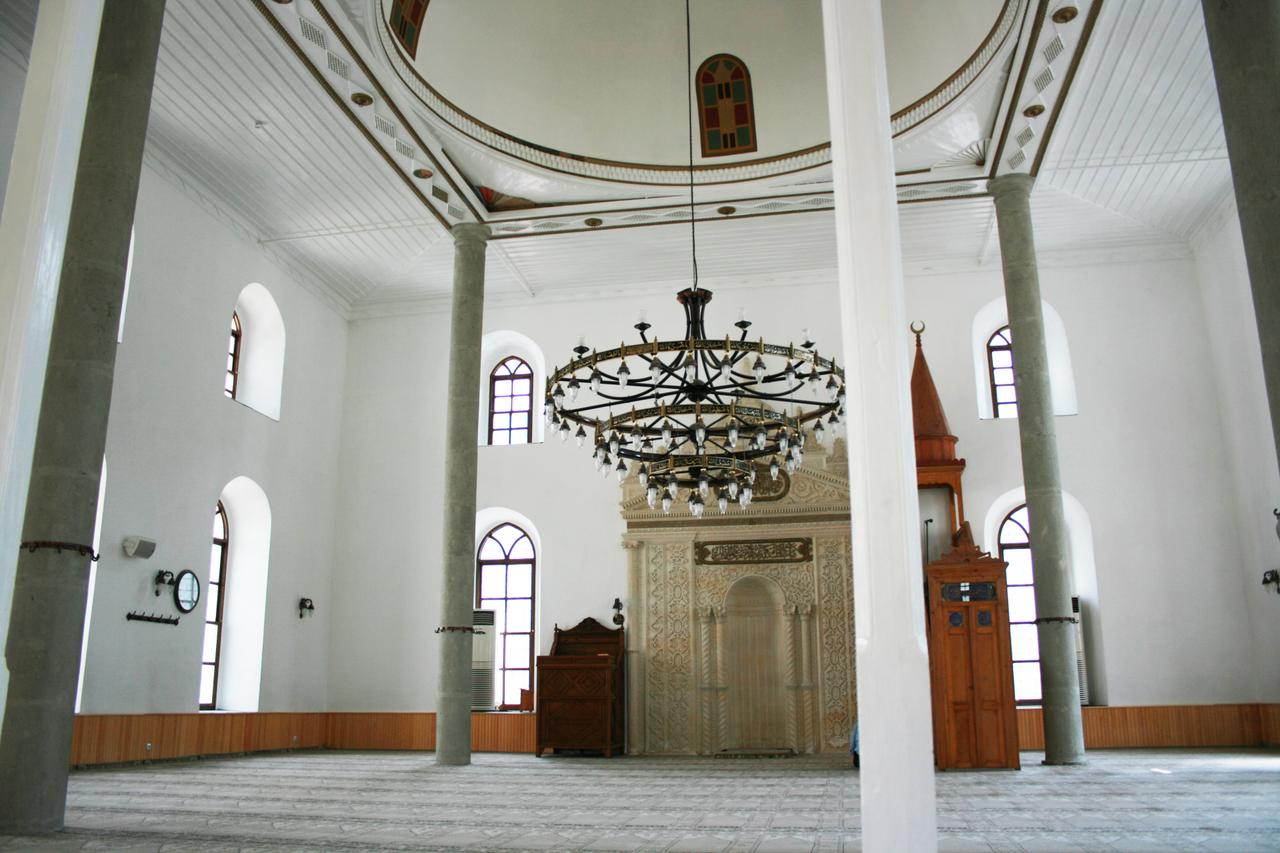
Atik İbrahim Paşa Camii (Ordu Provincial Directorate of Culture and Tourism)
The mosque is two-storied and has a broken roof. The roof is covered with tiles. A marble inscription above the east entrance lists those who contributed to the mosque’s construction. The original mihrap was taken from Selimiye Camii; the current mihrap was added later.
Culture Portal. "Atik İbrahim Paşa (Orta) Camii." Accessed August 16, 2025. https://www.kulturportali.gov.tr/turkiye/ordu/gezilecekyer/atik-brahim-pasa-orta-camii
Culture Portal. "Orta (Atik İbrahim Paşa) Camii - Envanter Bilgisi." Accessed August 16, 2025. https://www.kulturportali.gov.tr/turkiye/ordu/kulturenvanteri/orta-atk-brahm-pasa-cam
Karadeniz Valiliği. Orta (Atik İbrahim Paşa) Camii - Ordu. Accessed August 16, 2025. https://karadeniz.gov.tr/atik-ibrahim-pasa-orta-camii/
Ordu İl Kültür ve Turizm Müdürlüğü. *Atik İbrahim Paşa Camii, Altınordu/Ordu*. Accessed August 16, 2025. https://ordu.ktb.gov.tr/TR-130321/atik-ibrahim-pasa-cami-altinorduordu.html

Location | Ordu Province Fevzi Çakmak Street Selimiye Neighborhood Altınordu District | ||||||||
|---|---|---|---|---|---|---|---|---|---|
Year of Construction | 1770 (as wood), 1802 (reconstructed in stone) | ||||||||
Patron | Atik İbrahim Paşa | ||||||||
Current Use | Camii | ||||||||
Protection Responsible | General Directorate of Foundations | ||||||||
Other Name(s) | rta Camii | ||||||||
No Discussion Added Yet
Start discussion for "Atik İbrahim Paşa Camii" article
Architectural Plan and Construction Material
Minaret and Windows
Interior Space and Decoration
Roof and Structural Features