

This article was automatically translated from the original Turkish version.
+2 More

Baksı Museum is a cultural complex located on a hill overlooking the Çoruh Valley in the village of Bayraktar, Bayburt, covering an area of place. It presents contemporary art alongside traditional arts. This museum, situated 45 kilometers away, contributes to both the region and country culture through its integration with nature and its artistic offerings. Opened to art lovers in 2010, the museum goes beyond being a art gallery and takes steps in education, social projects, and environment awareness like.
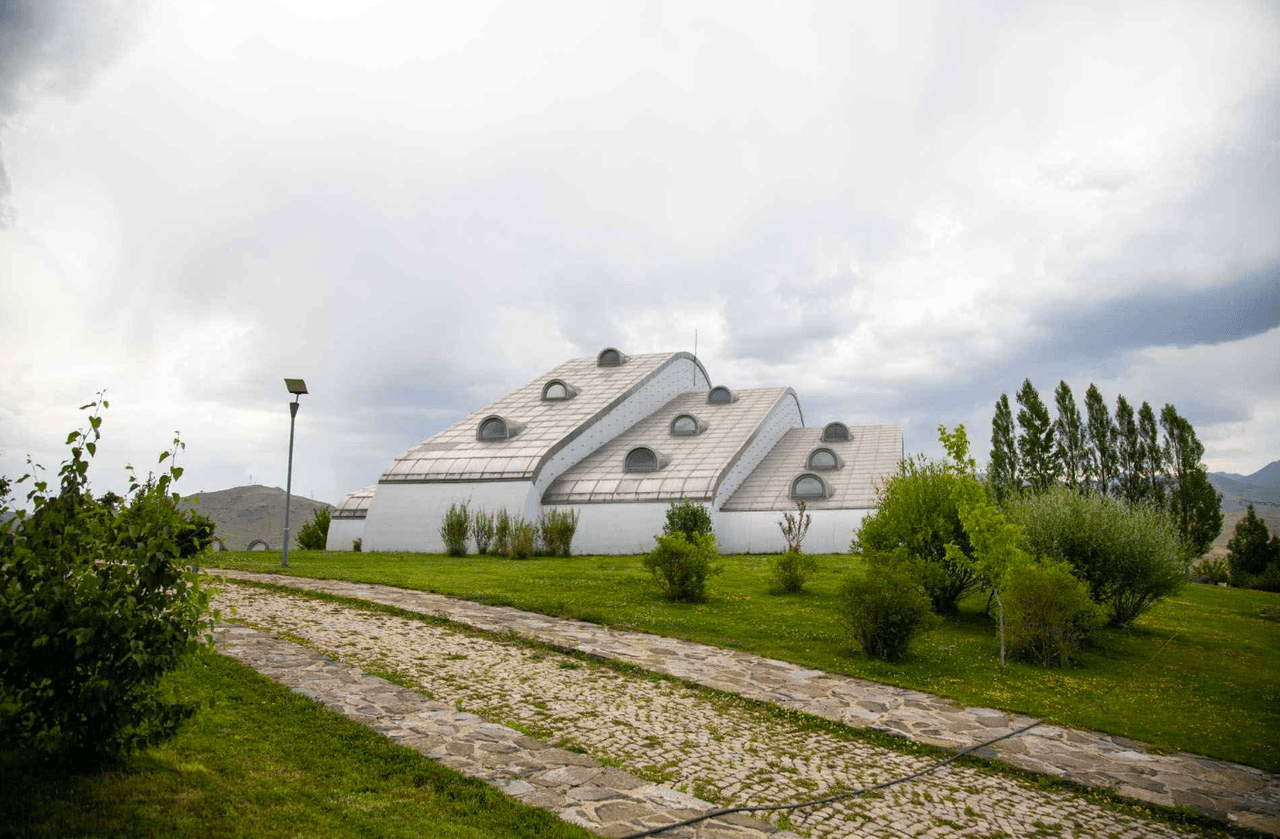
Bayburt Baksı Museum (Source: Turkish Museums)
The Baksı Museum is the product of a decades-long dream by artist, a native of Bayburt and academician Professor Dr. Hüsamettin Koçan. As a child who was forced to leave his village due to his family’s migration, Koçan aspired to return to his village and bring art, culture, and education to the people of the region. The idea for the museum began taking shape in Koçan’s mind in the 2000s, and in 2005, the Baksı Culture and Art Foundation was established to give the project step. Koçan realized this project without state support, financing it entirely through his personal resources. The museum was built to provide cultural contributions to Bayburt and aims to reveal the region’s artistic potential. In this context, Koçan’s primary goal in establishing the museum was to create a center that unites traditional Turkish arts with contemporary art.
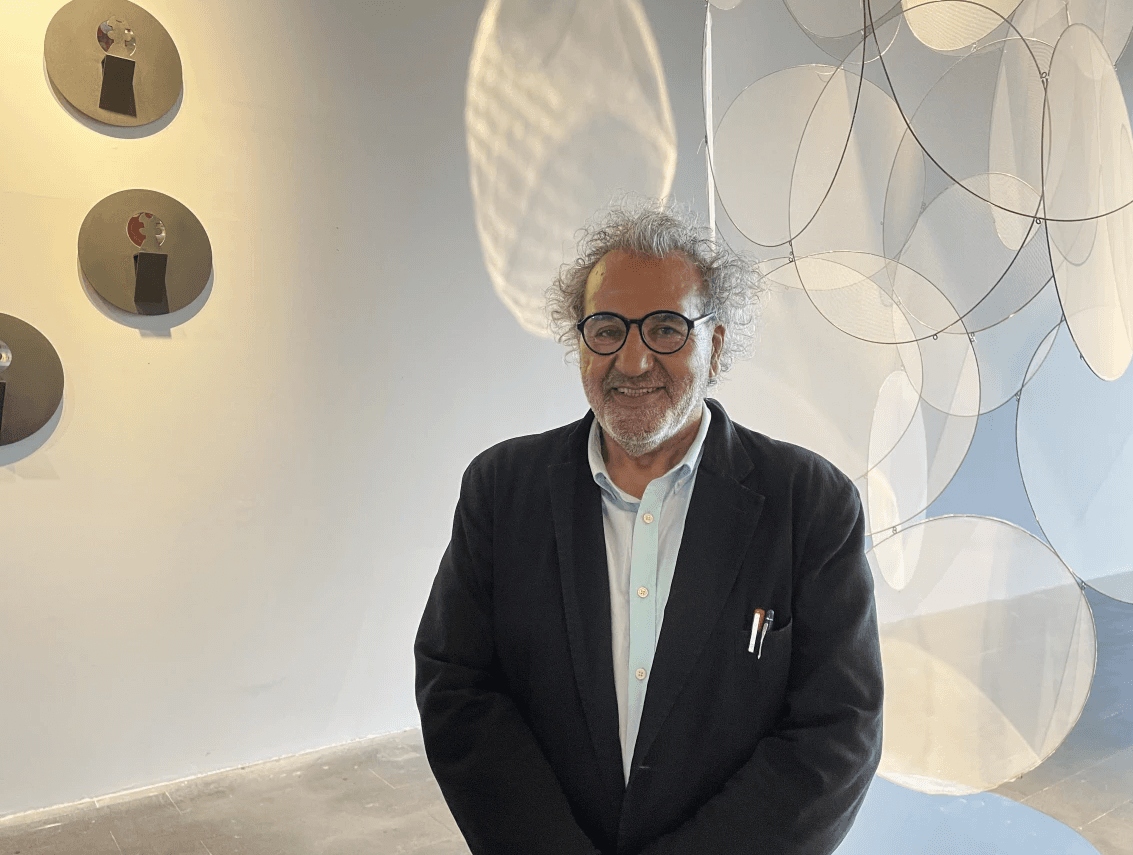
Professor Dr. Hüsamettin Koçan (Source: 10 News)
The design of the Baksı Museum takes into account the physical and cultural characteristics of its geographical setting. Located in the highlands of the Çoruh Valley, the museum has been designed to harmonize with the region’s natural landscape. Constructed using steel and concrete, the main building is surrounded by auxiliary structures built from traditional local stone. These additions are positioned to align with local architectural traditions and blend seamlessly with nature. The museum’s roof was specially designed to handle the region’s heavy snow rainfall, featuring a convex curved building form that facilitates snow shedding. This design is not merely an aesthetic feature but also a response sensitive to environmental conditions. While integrating harmoniously with its natural surroundings, the museum distinguishes itself as a space where modern art is exhibited.
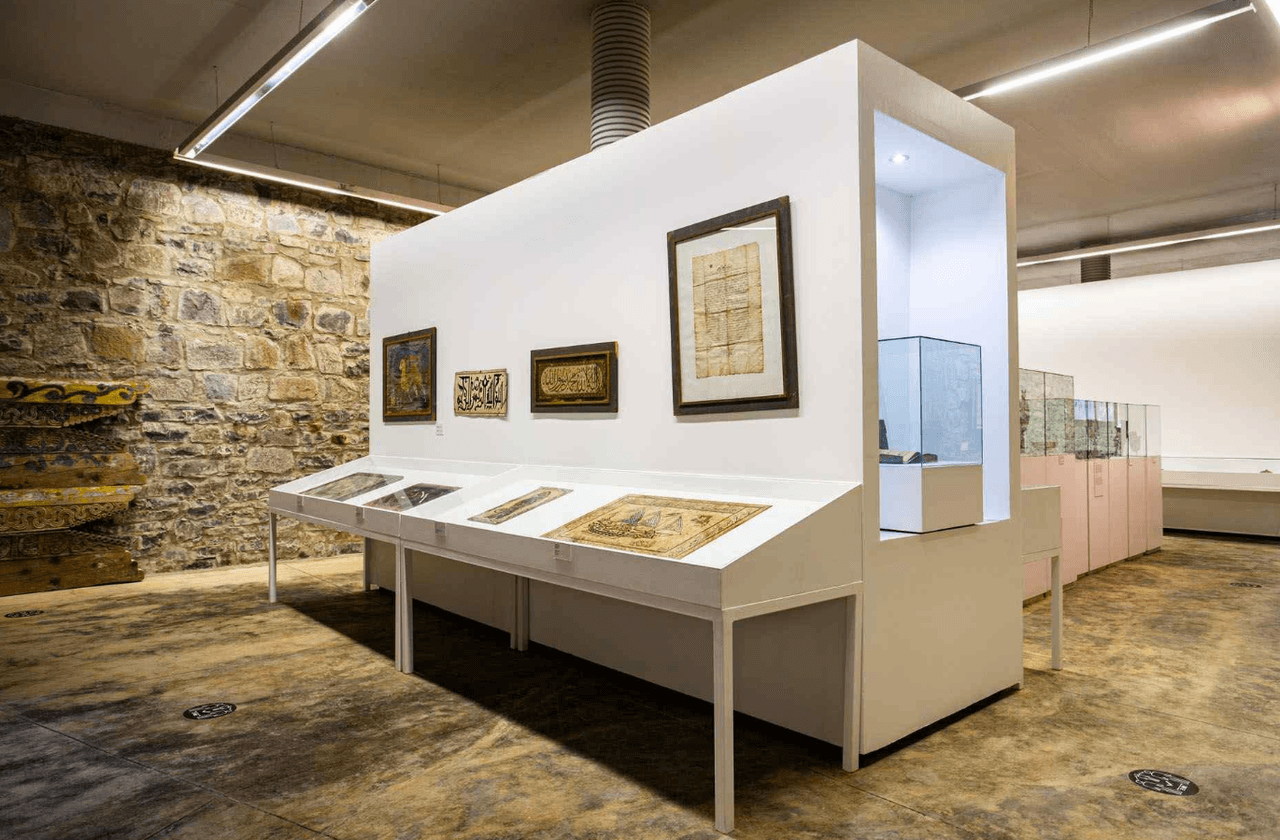
Bayburt Baksı Museum (Source: Turkish Museums)
The Baksı Museum is not merely an art gallery but also an educational and cultural interaction hub. Through workshops, seminars, concerts, and lectures, the museum provides educational opportunities to local communities. Traditional arts workshops held at the museum help preserve folk crafts and enable local women to gain training and create employment in this field. Additionally, the museum offers children in the region opportunities to engage with art and culture, conducting immersive educational programs during write holidays. In this way, the Baksı Museum contributes to the cultural development of the local population while aiming to counteract migration. By creating new economic opportunities, the museum seeks to enhance the region’s economic vitality.
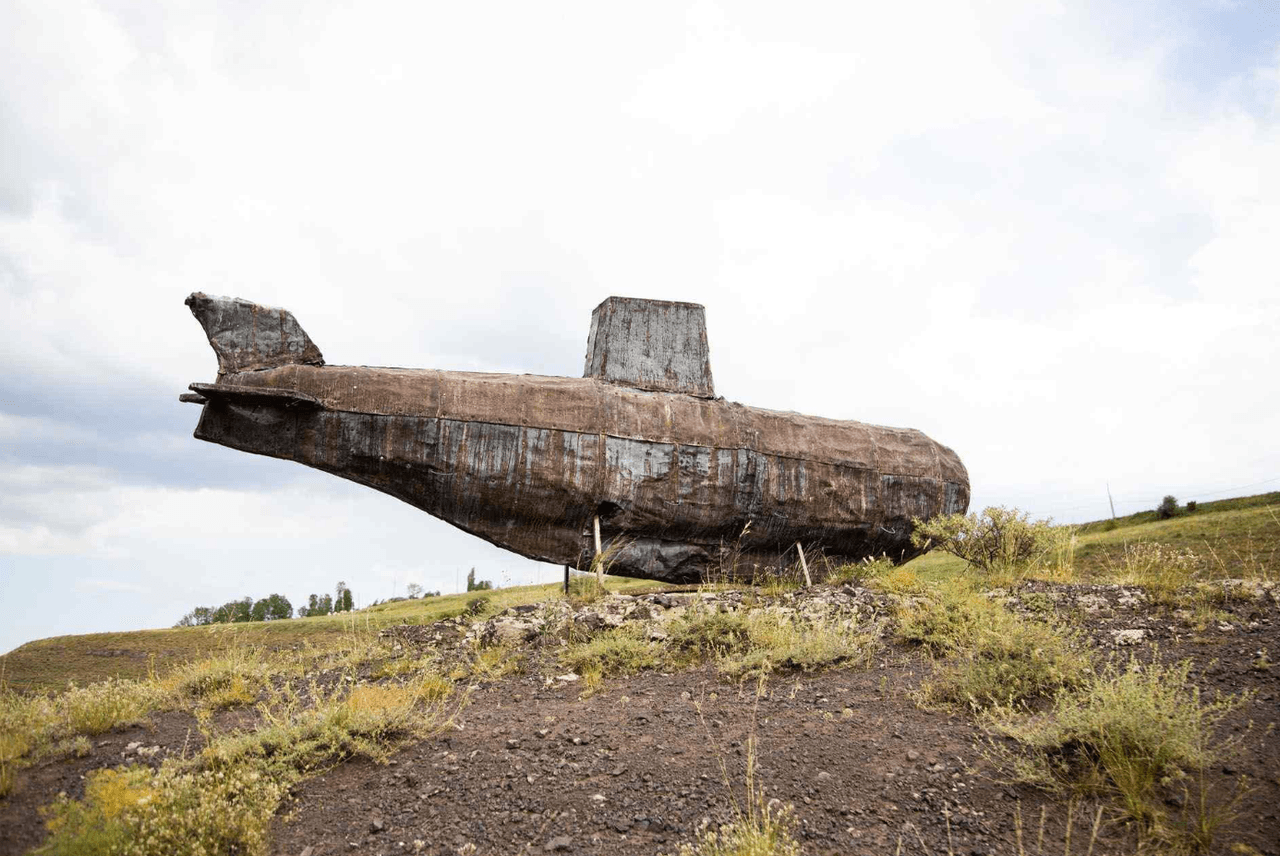
Bayburt Baksı Museum (Source: Turkish Museums)
The Baksı Museum also supports initiatives aimed at increasing environmental awareness. Launched in 2022, the “Washing the Çoruh River with Art” project reflects the museum’s sense of environmental responsibility and social consciousness. This initiative involved students collecting trash along the banks of the Çoruh River to raise awareness about pollution. The collected waste was transformed into artworks. The project seeks to instill in children and young people the understanding that nature must be protected and contributes to raising future generations as environmentally conscious individuals.
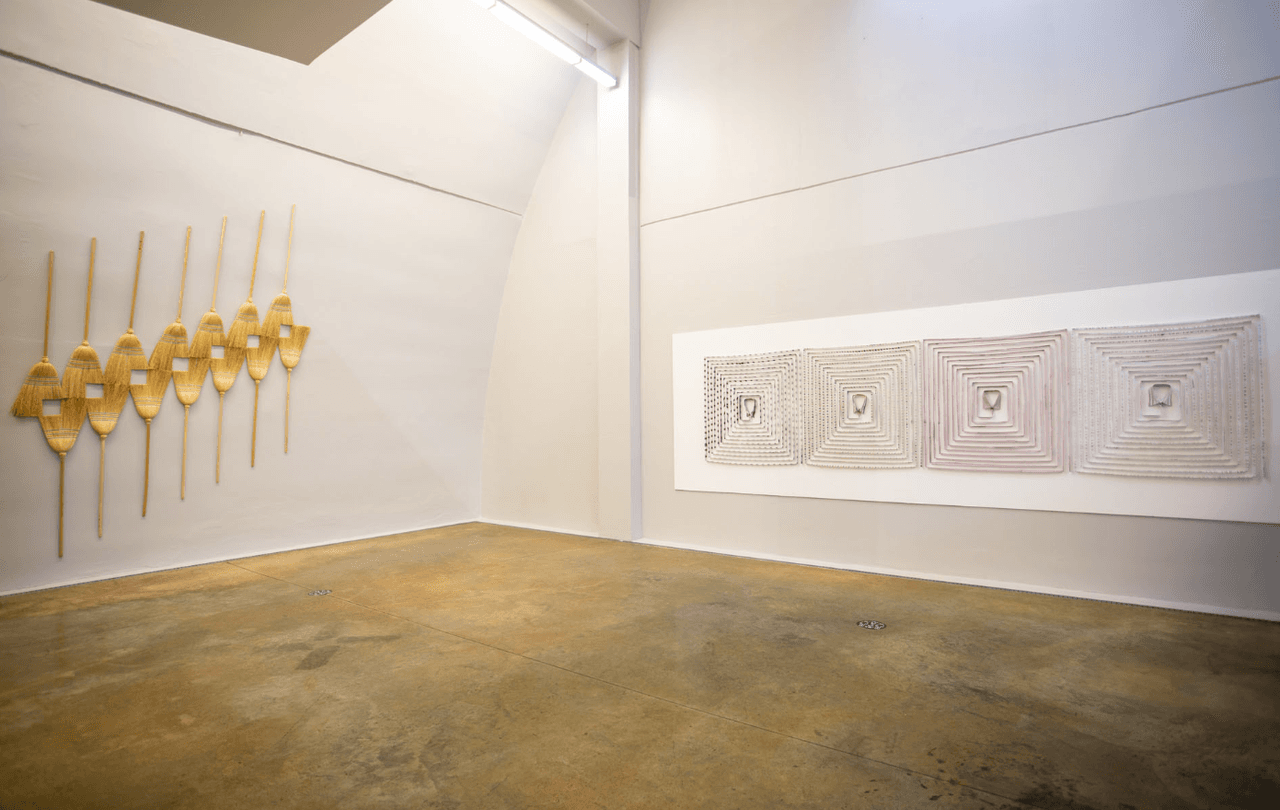
Bayburt Baksı Museum (Source: Turkish Museums)
In 2014, the Baksı Museum received the Council of Europe Museum Prize, gaining international recognition. This award helped establish the museum’s standing in the art world and contributed to an increase in visitor numbers. In 2019, the museum welcomed over 30,000 visitors and became a stop on both local and international cultural tourism routes. The Europe Council of Europe Museum Prize affirmed the uniqueness and artistic contributions of the Baksı Museum on an international platform, establishing it as a globally recognized cultural center.

Foundation and Hüsamettin Koçan’s Vision
Architectural Design and Harmony with Nature
Education and Social Contributions
Environmental Awareness and Projects
International Recognition and Awards