


This article was automatically translated from the original Turkish version.
+1 More
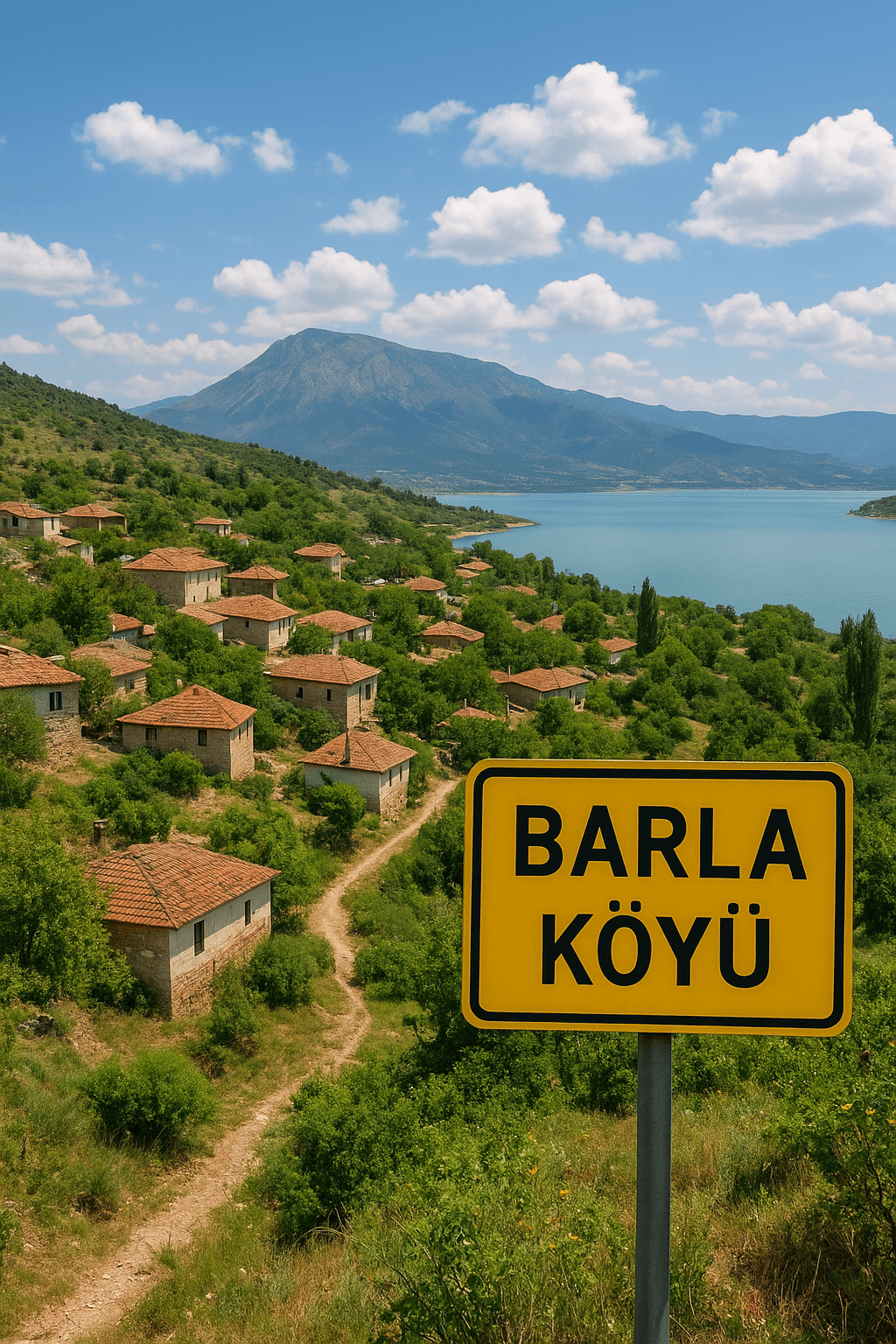
(Generated with Artificial Intelligence.)
Location | Eğirdir - Isparta / Türkiye | ||||||||
|---|---|---|---|---|---|---|---|---|---|
Period(s) | Roman Ottoman Hamidogullari Seljuk Byzantine | ||||||||
Significance | Houses and cultural sites where Said Nursi lived | ||||||||
Ancient Name | Parlais | ||||||||
Barla is a village in the Eğirdir district of Isparta Province, Türkiye, known for its historical and cultural richness. The village bears traces from both ancient times and the Ottoman period, attracting attention through its natural beauty and spiritual significance. In particular, the fact that Said Nursî lived here for many years has made Barla an important destination for faith-based tourism.
According to the 2024 Address-Based Population Registration System data, the total population of Barla Village is 997, of whom 485 are male and 512 are female.【1】
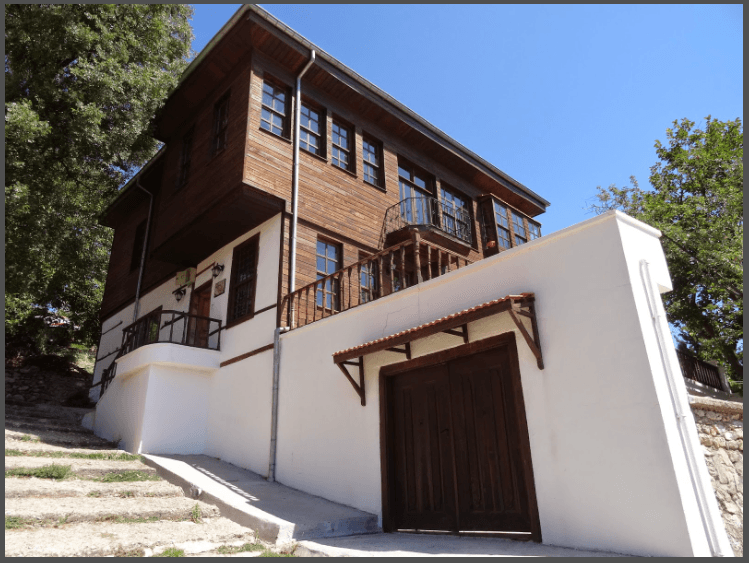
Barla Village (Republic of Türkiye, Eğirdir Subgovernorship))
Barla is located 46 km from the city center of Isparta and 23 km from the district center of Eğirdir. The village is bordered by Eğirdir Lake to the east, Atabey district to the west, Akkeçili Village of Senirkent district to the north, and Bağören Village to the south.
The ancient name of Barla is Parlais. It is known that coins were minted here in the 1st century BC. In 25 BC, the city was incorporated into the Roman province of Galatia by Emperor Augustus and became a Roman colony under the name Colonia Julia Augusta Parlais. Remains from this period include a Roman bridge and two rock-cut tombs.
After the Roman Empire, Barla came under the rule of the Byzantines, Seljuks, Hamidoğulları, and finally the Ottomans. One of the most important surviving structures from the Hamidoğulları Beylik period in the 14th century is the Çeşnigir Paşa Camii. Ottoman-era structures include two stone bridges, a bathhouse, various fountains, and historic plane trees. Additionally, the Aya Georgios Church, built during the period when the Greek population resided here, is among the significant structures.
Barla is a destination for both domestic visitors and tourists from Europe, Central Asia, the Middle East, Africa, and East Asia. The Yokuşbaşı Neighborhood and the Çam Dağı region are heavily visited between April and November. As part of rural development, the Barla Rural Development Action Plan prepared by the Isparta Provincial Directorate aims to establish a comprehensive policy for the village’s advancement. Ultimately, the plan seeks to serve as a model for diversifying tourism activities.
T.C. Ministry of Culture and Tourism. "Barla İnanç and Cultural Tourism."Isparta İl Directorate of Culture and Tourism. Accessed August 1, 2025. https://isparta.ktb.gov.tr/TR-166053/barla-inanc-ve-kultur-turizmi.html
T.C.Eğirdir Kaymakamlığı Governorship. "İnanç Merkezi Barla." Eğirdir District Governorship. Accessed August 1, 2025. http://egirdir.gov.tr/inanc-merkezi-barla
Turkish Statistical Institute. "Geographical Statistics Portal (CIP)." Turkish Statistical Institute. Accessed August 1, 2025. https://cip.tuik.gov.tr/
Şahin, Osman Erdal. “Bir Mekân: Tarihsel ve Mekânsal Olarak Barla.” *Kur’ân'ın İ’câzı Sayısı*, no. 2 (2016): 1–16. Accessed August 12, 2025. https://dergipark.org.tr/tr/download/article-file/279488
[1]
T.C. Türkiye İstatistik Kurumu, “Coğrafi İstatistik Portalı (CIP),” Türkiye İstatistik Kurumu, Son Erişim: 1 Ağustos 2025, https://cip.tuik.gov.tr/

(Generated with Artificial Intelligence.)
Location | Eğirdir - Isparta / Türkiye | ||||||||
|---|---|---|---|---|---|---|---|---|---|
Period(s) | Roman Ottoman Hamidogullari Seljuk Byzantine | ||||||||
Significance | Houses and cultural sites where Said Nursi lived | ||||||||
Ancient Name | Parlais | ||||||||
Geographical Location and Physical Characteristics
History
Ancient Period
Medieval and Ottoman Period
Cultural Assets and Cultural Spaces
Natural Assets
Tourism and Rural Development