This article was automatically translated from the original Turkish version.
+1 More
Location | Bayburt Türkiye | ||||||||
|---|---|---|---|---|---|---|---|---|---|
Establishment | 2013 (House of Culture), 2019 (Official Special Museum) | ||||||||
Founder(s) | Kenan Yavuz | ||||||||
Area(s) | 4 500 m² open area 10 500 m² covered area | ||||||||
Purpose(s) | To preserve and transmit the culture of Anatolian rural life to future generations | ||||||||
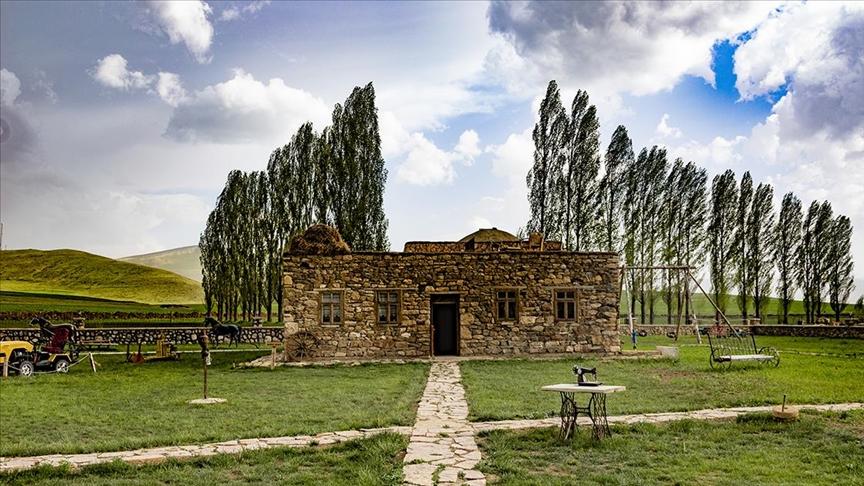
Kenan Yavuz Ethnography Museum is a private ethnography museum located in the village of Beşpınar, within the Demirözü district of Bayburt Province, Türkiye. It aims to preserve, promote, and transmit the rural life of Anatolia to future generations. The museum draws attention through its goals of safeguarding cultural heritage, documenting village life, and contributing to local development. This cultural initiative, launched through the personal effort of its founder, Kenan Yavuz, has attracted interest both locally and internationally.
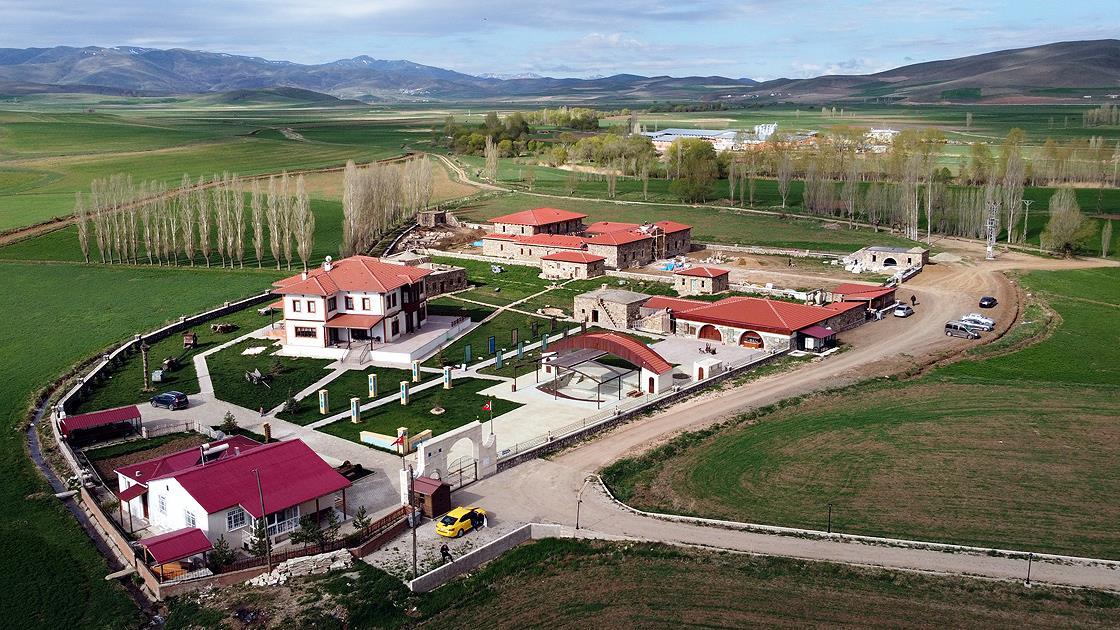
Kenan Yavuz Ethnography Museum (Bayburt Provincial Directorate of Culture and Tourism)
The foundations of the Kenan Yavuz Ethnography Museum were laid in 2013 by businessman Kenan Yavuz. Inspired by the traces of his family’s life, Yavuz decided to build a cultural house in Beşpınar Village, where he spent his childhood and worked as a shepherd and farmer during his youth. This space hosted cultural activities for approximately six years before being officially registered in 2019 as a “Official Private Museum” by the Ministry of Culture and Tourism. Thus, a personal heritage project acquired institutional museum status.
The museum operates across a total area of 15,000 square meters, comprising 4,500 square meters of covered space and 10,500 square meters of open space. The site includes 26 stone architectural structures, which serve both as exhibition areas and experiential spaces. The architectural design of the museum revives traditional Anatolian stonemasonry and seeks an ecological harmony with the village’s natural fabric. Built under the motto “a place where stones speak,” the museum consists of rare structures that blend aesthetic and functional elements to preserve the traces of the past.
The primary aim of the Kenan Yavuz Ethnography Museum is to carry forward the fading values of rural Anatolian life to the present and future. Rapid changes brought about by migration, urbanization, and technology have led to the disappearance of elements such as guesthouses, folktales, kilims, melodies, and social relationships. The museum emerged as a response to this rupture and adopts as its guiding principle the idea that “communities severed from their roots lose their identity as nations.” At the same time, it addresses contemporary issues such as food security, environmental awareness, and the revitalization of production skills, aiming to become an integral part of cultural continuity.
The museum’s collections consist of everyday objects of rural life, handicrafts, agricultural tools, traditional clothing, woven textiles, folkloric elements, and culinary culture. The museum does not merely exhibit artifacts; it offers visitors a living village experience. By interactively introducing the social structure, production methods, and traditions of village life, it transcends conventional museum practices. Additionally, it creates a multidimensional experiential space through storytelling of folktales, traditional musical instruments, regional cooking workshops, and activities designed for children.
In 2021, the museum was awarded the Silletto Prize by the European Museum Forum (EMF), an organization operating under the auspices of the Council of Europe, as part of the European Museum of the Year Awards (EMYA). This award is given to museums that demonstrate excellence in preserving cultural heritage, building strong ties with local communities, and ensuring cultural continuity. Subsequently, in 2022, it won the European Union Cultural Heritage Award (Europa Nostra Award), and in 2023, the Turkish Ministry of Culture and Tourism Special Award was presented to the museum’s founder by the President of the Republic. These achievements have transformed the museum from a national initiative into a global cultural model.
The museum is not only a cultural memory center but also a platform supporting local development. Since its establishment, the people of Bayburt, local officials, and volunteers have actively supported and championed the museum. The voluntary contributions of individuals serving on advisory and management boards have transformed the project from an amateur initiative into a professional institution. The museum has played a vital role in turning Bayburt into a cultural tourism destination, creating new opportunities for employment and experience for young people in the region.
Unlike traditional museums, the Kenan Yavuz Ethnography Museum embraces an ecomuseum approach. In this model, the museum is not merely a space for object display but an integrated structure that harmonizes with the lived cultural, social, and natural environment, aiming for sustainable development. Through its eco-compatible architecture, promotion of local production, gastronomy projects, and culture-centered festivals, the museum presents a holistic example of a cultural ecosystem. It also raises awareness about pressing contemporary issues such as food safety, environmental consciousness, and cultural erosion.
Anadolu Ajansı. “Bayburt’taki Kenan Yavuz Etnografya Müzesi Yeni Turizm Noktalarından Biri Olma Yolunda.” Accessed July 2, 2025. https://www.aa.com.tr/tr/kultur/bayburttaki-kenan-yavuz-etnografya-muzesi-yeni-turizm-noktalarindan-biri-olma-yolunda/3220496
Kenan Yavuz Ethnography Museum. "Hikayemiz." Kenan Yavuz Ethnography Museum Official Website, Accessed July 2, 2025. https://www.kenanyavuzetnografyamuzesi.org/hikayemiz/
Turkish Ministry of Culture and Tourism. "Kenan Yavuz Ethnography Museum Wins 2021 Silletto (Europe’s Museum of the Year) Award."Bayburt İl Directorate of Culture and Tourism, Accessed July 2, 2025. https://bayburt.ktb.gov.tr/TR-289665/kenan-yavuz-etnografya-muzesi-2021-siilletto-avrupa-yil-.html
Location | Bayburt Türkiye | ||||||||
|---|---|---|---|---|---|---|---|---|---|
Establishment | 2013 (House of Culture), 2019 (Official Special Museum) | ||||||||
Founder(s) | Kenan Yavuz | ||||||||
Area(s) | 4 500 m² open area 10 500 m² covered area | ||||||||
Purpose(s) | To preserve and transmit the culture of Anatolian rural life to future generations | ||||||||
No Discussion Added Yet
Start discussion for "Bayburt Kenan Yavuz Ethnography Museum" article
Founding and History
Physical Structure and Site Area
Mission and Founding Purpose
Ethnographic and Cultural Content
International Achievements and Awards
Community Participation and Local Development
Ecomuseum Approach and Sustainability Vision