


This article was automatically translated from the original Turkish version.
+1 More
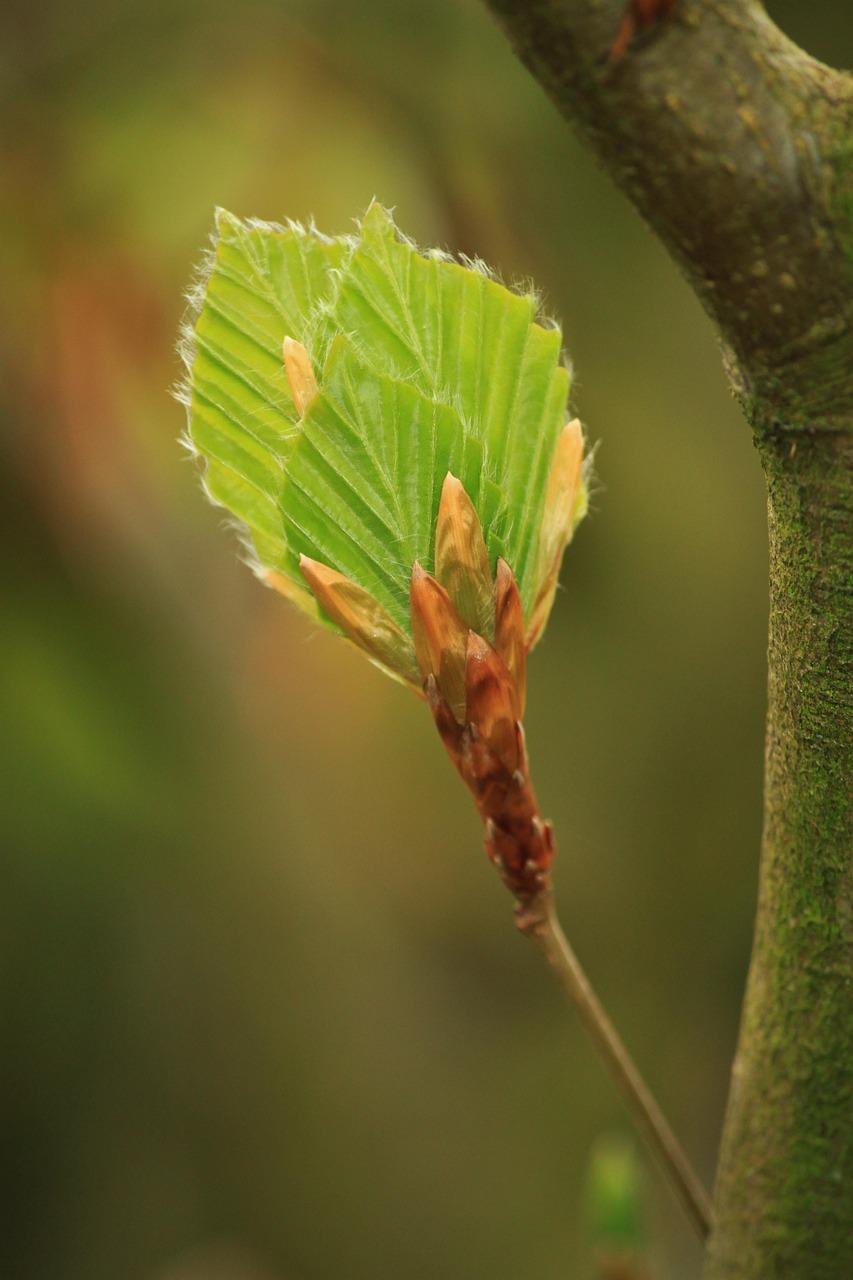
Oak
Scientific Name(s) | European Beech: Fagus sylvatica L. Oriental Beech: Fagus orientalis Lipsky | ||||||||
|---|---|---|---|---|---|---|---|---|---|
Family | Fagaceae (beech family) | ||||||||
Natural Range | varying by species. It generally covers the temperate climate zones of the Northern Hemisphere | ||||||||
Species Grown in Türkiye | Fagus orientalis | ||||||||
Height(s) | It can reach heights of 30 to 40 meters. | ||||||||
Diameter | It can reach up to 1 meter. | ||||||||
Leaf Characteristics | Beech belongs to the group of broad-leaved deciduous species. male and female flowers occur on the same individual but in different locations Flowering: Monoecious found in alternate arrangement and pointed narrow Bud: Long Arrangement: Alternate lower surface lighter in color Surface: Upper surface glossy green Margin: Entire and toothless Shape: Elliptical or obovate | ||||||||
Beech (Fagus L.) species are trees native to the temperate climate zones of the Northern Hemisphere and belong to the family Fagaceae (beech family). The genus Fagus, represented by around ten natural species and some hybrid forms worldwide, is found in Türkiye primarily as Fagus orientalis Lipsky (Eastern Beech) and, to a limited extent, as Fagus sylvatica L. (European Beech).
The name Fagus is of Latin origin and derives from an Ancient Greek word meaning “edible seeds.” It is linked to the Latin verb “edo” (to eat). The French word “le hêtre” also preserves this semantic association.

Beech Tree Trunk – Leaves – Flowers (OGM)
Beech is one of the important genera in the family Fagaceae. In Türkiye’s flora, two species of this genus occur: Eastern Beech (Fagus orientalis) and European Beech (Fagus sylvatica). Eastern Beech has a much wider distribution in Türkiye compared to European Beech.
Fagus orientalis is distributed widely from the Balkans through Thrace, the Western and Eastern Black Sea regions, the northern Aegean, the Amanos Mountains, and as far as Kahramanmaraş. Its largest distribution areas are concentrated along the Black Sea coastal belt and in medium to high elevation north-facing mountains. It prefers humid climates with balanced rainfall and deep, humus-rich soils. In favorable growing conditions, it develops long, straight trunks.
Eastern Beech can reach heights of 30–40 meters with trunk diameters exceeding one meter. The trunk is smooth, light gray, and free of fissures. Leaves are typically elliptic or obovate in shape, with entire, toothless margins. Buds are arranged in a fasciculate pattern. It is monoecious, with male and female flowers occurring on separate parts of the same tree. Its seeds exhibit dormancy.
Beech wood has a density of 0.66 g/cm³, is hard, impact-resistant, and suitable for steam bending. It exhibits low tendency to warp or crack during drying. It is used in furniture, parquet flooring, veneer, mine props, paper industry, and railway sleeper production. Eastern Beech is also an important source of firewood.
Eastern Beech is the only deciduous tree species included in Türkiye’s National Tree Breeding Program. Breeding efforts focus on traits such as height, volume, trunk straightness, branch structure, and diameter. Four main breeding zones have been defined through the establishment of seed transfer zones and genetic conservation areas.
The beech tree is regarded as one of the sacred trees in Turkish culture. It is associated with the motif of the Tree of Life and symbolizes the connection between the three realms: underworld, earth, and heavens. In shamanistic traditions, it is linked to the goddess Umay. It is recorded that sacred forests were established by planting beech trees after sacrificial rituals. Beliefs and practices related to the beech tree appear in sources such as Ötüken, the Oghuz Khan Epic, the Türeyiş Epic, and the Dede Korkut Stories.
Fagus orientalis leaves are reported to have diuretic, bronchitis-preventive, toothache-relieving, and antipyretic properties and have been used in the treatment of tuberculosis. Bees also utilize it as a source of honeydew. Additionally, it is used in the dye industry for producing yellow pigments. Between 1998 and 2005, 47,350 kg of beech leaves were collected in Türkiye and registered as non-timber forest products.
Forest General Directorate. "Haftanın Ağacı: Kayın." Forest General Directorate. https://www.ogm.gov.tr/tr/yararli-bilgiler/haftanin-agaci/kayin. Accessed May 30, 2025.
Göher, Fatma Nur, and Hava Selçuk. “Türk Kültüründe Kayın Ağacının Maddî Kültür Unsurlarına Yansıması.” *Kültür Araştırmaları Dergisi* 21 (2024): 106–125. Accessed May 30, 2025.
Kandemir, Gaye Eren, Yasemin Tayanç, Burcu Çengel, and Ercan Velioğlu. “Türkiye’de Yayılış Gösteren Kayın (Fagus) Populasyonlarının Moleküler Filogenisi.” Ormancılık Araştırma Dergisi (Journal of Forestry Research) 2016/2, A, 1:4 (2016): 69–79. https://dergipark.org.tr/tr/download/article-file/265705. https://dergipark.org.tr/tr/pub/ogmoad/issue/26984/283648. Accessed May 30, 2025.
Pixabay. "Kayın Ağacı Yaprağı." Accessed May 30, 2025.
Pixabay. "Kayın Yaprağı." Accessed May 30, 2025.
Tuttu, Gamze, and Serhat Ursavaş. “Kayın Yaprağının Türkiye’deki Hasat Miktarları.” Anadolu Orman Araştırmaları Dergisi (Anatolian Journal of Forest Research) 2, no. 1–2 (2016): 1–3. https://dergipark.org.tr/tr/download/article-file/265234. Accessed May 30, 2025.
Yıldız, Oktay, and Şahin Bircan. “Batı Karadeniz Kıyı Bölgesi’nde Yetişen Kayın (Fagus orientalis Lipsky) Odununun Fiziksel ve Mekanik Özelliklerinin Yetişme Ortamı Değişkenleriyle İlişkisi.” Anadolu Orman Araştırmaları Dergisi (Anatolian Journal of Forest Research) 8, no. 2 (2022): 61–72. https://www.researchgate.net/publication/367574436_Bati_Karadeniz_Kiyi_Bolgesinde_Yetisen_Kayin_Fagus_Orientalis_Lipsky_Odununun_Fiziksel_ve_Mekanik_Ozelliklerinin_Yetisme_Ortami_Degiskenleriyle_Iliskisi. https://dergipark.org.tr/tr/pub/ajfr/issue/73964/1199478. Accessed May 30, 2025.

Oak
Scientific Name(s) | European Beech: Fagus sylvatica L. Oriental Beech: Fagus orientalis Lipsky | ||||||||
|---|---|---|---|---|---|---|---|---|---|
Family | Fagaceae (beech family) | ||||||||
Natural Range | varying by species. It generally covers the temperate climate zones of the Northern Hemisphere | ||||||||
Species Grown in Türkiye | Fagus orientalis | ||||||||
Height(s) | It can reach heights of 30 to 40 meters. | ||||||||
Diameter | It can reach up to 1 meter. | ||||||||
Leaf Characteristics | Beech belongs to the group of broad-leaved deciduous species. male and female flowers occur on the same individual but in different locations Flowering: Monoecious found in alternate arrangement and pointed narrow Bud: Long Arrangement: Alternate lower surface lighter in color Surface: Upper surface glossy green Margin: Entire and toothless Shape: Elliptical or obovate | ||||||||
Etimology
Systematic Position
Distribution and Ecology
Morphological Characteristics
Wood Properties and Uses
Genetic and Breeding Studies
Cultural Implications
Medicinal and By-product Uses