


This article was automatically translated from the original Turkish version.
+2 More
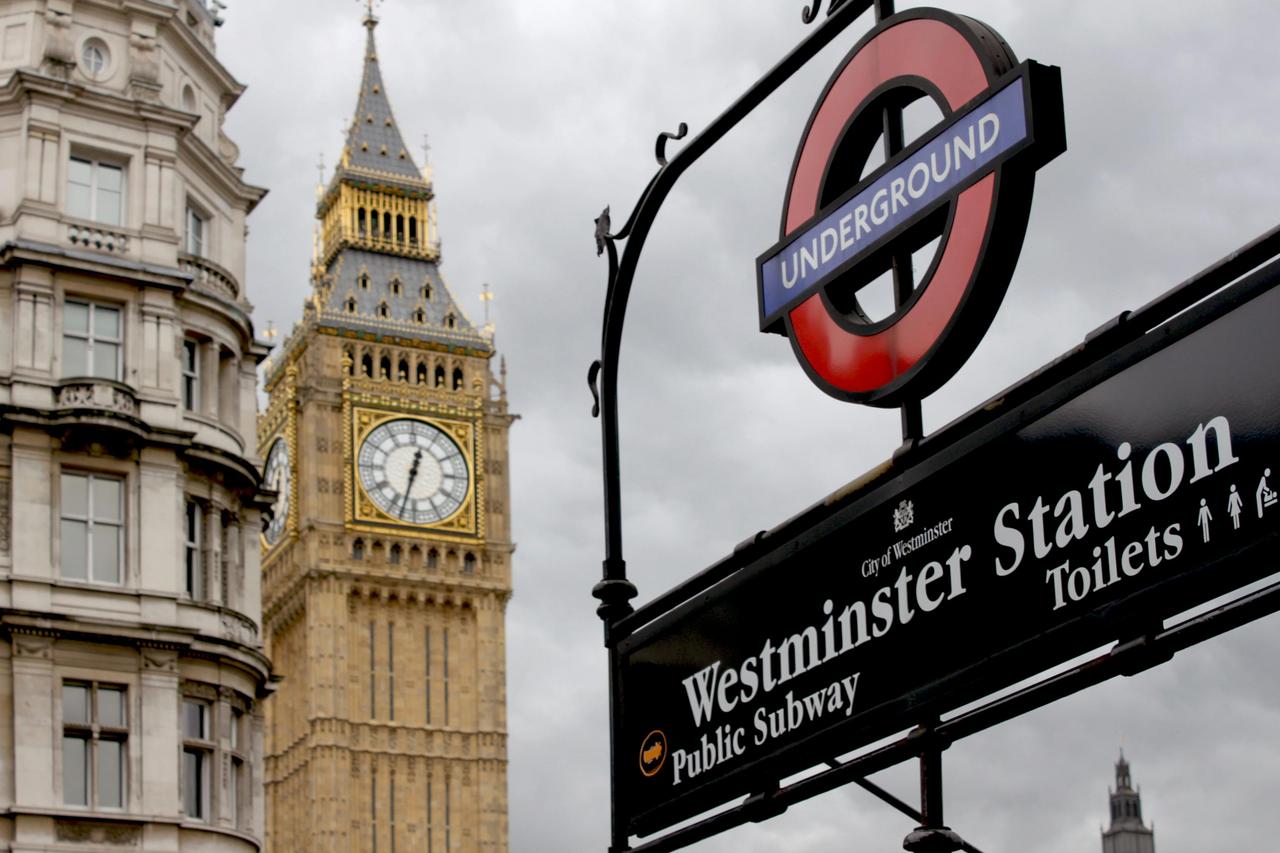
Big Ben is regarded as one of the leading symbols of the United Kingdom’s cultural and historical heritage. The clock tower located at the northern end of the Palace of Westminster is officially named the Elizabeth Tower, but is commonly known to the public as Big Ben. Although this name originally referred to the large bell inside the tower, it has over time become the term used to describe the entire structure.
Following the destruction of the Palace of Westminster in a major fire in 1834, plans were made to include a clock tower in the palace’s reconstruction, designed in the Gothic Revival style. This new design was prepared by architect Charles Barry and completed with contributions from Augustus Pugin. Construction of the tower began in 1843 and was completed in 1859. Standing at approximately 96 metres tall, the structure was considered a remarkable achievement in technology and engineering for its time.
The Elizabeth Tower is one of the most important examples of Gothic Revival architecture. The tower is equipped with a four-faced clock, each dial measuring approximately 7 metres in diameter. The clock mechanism was designed by English clockmaker Edward John Dent and completed after his death by his stepson Frederick Dent. The bell mechanism was cast by the Whitechapel Bell Foundry. The bell weighs approximately 13.5 tonnes and has a diameter of 2.2 metres.
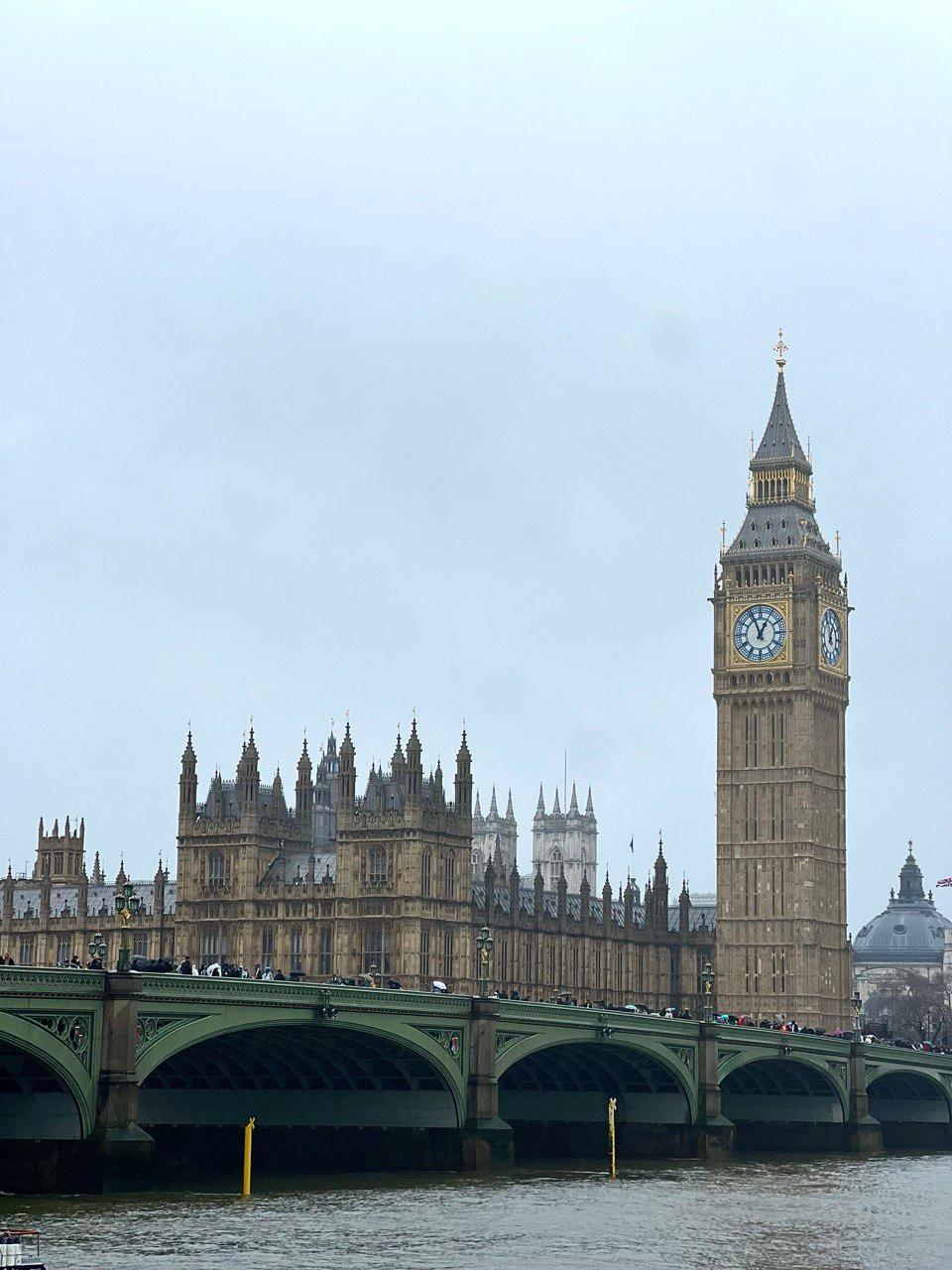
View of Big Ben and the Palace of Westminster from the River Thames, 2024. (Sümeyye Yalçıner)
Beyond its architectural and engineering value, the structure has become a symbol closely associated with the national identity of the United Kingdom. During the Second World War, despite London being subjected to intense bombing, the continued operation of the clock fostered a public association between the tower and resilience and stability. Today, the broadcasting of the bell’s chimes during significant occasions such as New Year’s celebrations and official state ceremonies is regarded as a symbolic expression of national unity and continuity.
In 2009, the 150th anniversary of the tower’s construction was commemorated. In 2012, to mark the 60th anniversary of Queen Elizabeth II’s accession to the throne, the official name was changed to Elizabeth Tower. This renaming was interpreted as another indication of the relationship between England and its monarchy. Comprehensive restoration work began in 2017, during which the clock mechanism, bells, and exterior details were meticulously refurbished. The tower’s original colour scheme was also restored during this process, and the restoration was completed in 2021.
Big Ben is recognized not merely as an architectural structure but as a symbol intrinsically linked to England’s national identity and historical continuity. The regular operation of the clock and the sound of its bells symbolize the passage of time and serve as a historical reference point for British society. In this sense, the structure is not only a technical clock tower but also a monument imbued with cultural and historical meaning.


History and Construction
Architectural Features
Cultural and Symbolic Significance
Renaming and Restoration Efforts