This article was automatically translated from the original Turkish version.
+2 More
Location | Bilecik Türkiye | ||||||||
|---|---|---|---|---|---|---|---|---|---|
Foundation | 2007 (as a museum) | ||||||||
Building History | 1794 | ||||||||
Period(s) | Paleolithic–Ottoman | ||||||||
Sections | Archaeology, Ethnography | ||||||||
Number of Works | 1102 archaeological, 731 coins, 317 ethnographic | ||||||||
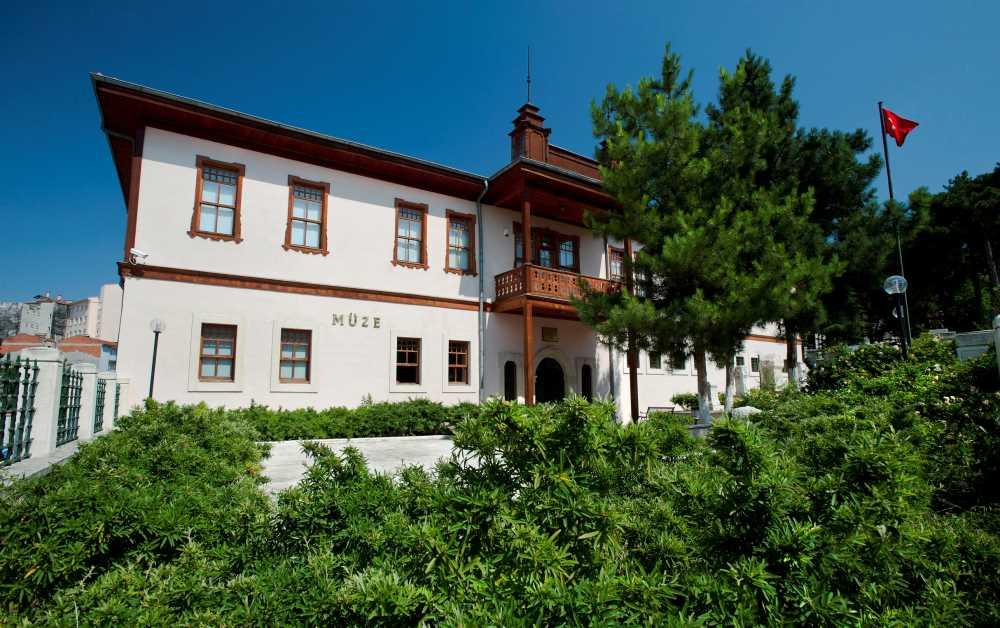
Bilecik Museum is an archaeology and ethnography museum located in the city center of Bilecik, Türkiye, housed within a historic building. The museum building, which has served various public functions in the past, currently operates as a museum under the Ministry of Culture and Tourism. The structure is notable for its architectural history and functional transformation, and it hosts collections that reflect the cultural heritage of the region.
%2520kopya.jpg&w=1280&q=75)
Bilecik Museum (Türkiye Culture Portal)
The museum building was constructed in 1794 as a two-story gendarmerie station. The ground floor was later converted into a prison. The structure was completely destroyed by fire during the Greek occupation of 1921–1922 and was subsequently rebuilt on its original foundations after the War of Independence. After reconstruction, the upper floor was used as a courthouse and the ground floor as a prison. The building, consisting of six cells, four rooms, three workshops, three storage rooms, three solitary confinement cells, and a bathhouse, featured two separate courtyards—one for convicts and the other for suspects. The building served as a prison until 1995, and upon the transfer of judicial and prison functions to another facility, it was transferred to the Ministry of Culture and Tourism in 1996.
Restoration work, initiated in 1997, was completed by the end of 2006. The building was opened to the public on 20 April 2007 as a unit under the Söğüt Museum Directorate under the name “Bilecik Museum.” On 7 April 2010, it became an independent institution and began operating as the Bilecik Museum Directorate.
%2520kopya.jpg&w=1280&q=75)
Bilecik Museum (Türkiye Culture Portal)
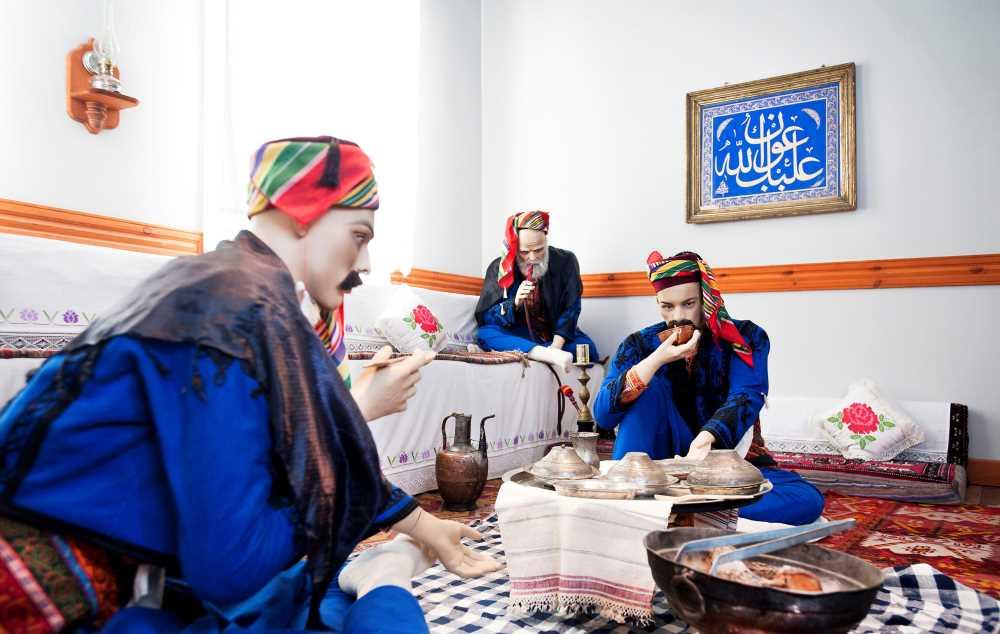
Bilecik Museum employs a chronological exhibition method. The museum consists of three main exhibition halls. The archaeology halls display artifacts from the Paleolithic, Neolithic, Chalcolithic, Bronze, Hellenistic, Roman, and Byzantine (Eastern Roman) periods. The ethnography halls feature depictions related to the foundation of the Ottoman State, scenes of nomadic and domestic life, weapons, everyday kitchen utensils made of ceramic and metal, regional clothing, and decorative items. The museum corridors contain panels showcasing examples of civil architecture from Bilecik.
Bilecik Museum (Türkiye Culture Portal)
The garden and courtyard of Bilecik Museum function as an extension of the museum’s collection and provide an outdoor exhibition space for visitors. In this area, stone artifacts dating to the Roman and Byzantine periods include tombstones, column capitals, sarcophagi, and baptismal fonts. The museum building houses a total of 1,102 archaeological artifacts, 731 coins, and 317 ethnographic objects in its inventory. These diverse cultural assets, displayed both indoors and outdoors, document the historical continuity of the region. This collection, offered free of charge to visitors, is presented through a comprehensive exhibition approach encompassing both indoor halls and outdoor areas.
T.C. Bilecik Valiliği. "Bilecik Müzesi." T.C. Bilecik Valiliği. Accessed June 26, 2025. http://www.bilecik.gov.tr/bilecik-muzesi-yeni.
T.C. Kültür Varlıkları ve Müzeler Genel Müdürlüğü. "Bilecik Müze Müdürlüğü." T.C. Kültür ve Turizm Bakanlığı. Accessed June 26, 2025. https://kvmgm.ktb.gov.tr/TR-281300/bilecik-muze-mudurlugu.html.
Türkiye Cumhuriyeti Kültür ve Turizm Bakanlığı. "Bilecik Müzesi." Müze.gov.tr. Accessed June 26, 2025. https://muze.gov.tr/muze-detay?SectionId=BLC01&DistId=MRK.
Türkiye Kültür Portalı. "Bilecik Müzesi." T.C. Kültür ve Turizm Bakanlığı. Accessed June 26, 2025. https://www.kulturportali.gov.tr/turkiye/bilecik/gezilecekyer/bleck-muzes.

Location | Bilecik Türkiye | ||||||||
|---|---|---|---|---|---|---|---|---|---|
Foundation | 2007 (as a museum) | ||||||||
Building History | 1794 | ||||||||
Period(s) | Paleolithic–Ottoman | ||||||||
Sections | Archaeology, Ethnography | ||||||||
Number of Works | 1102 archaeological, 731 coins, 317 ethnographic | ||||||||
History
Restoration and Conversion into a Museum
Exhibitions and Collections
Outdoor Exhibition and Collection Holdings