This article was automatically translated from the original Turkish version.
+2 More
Place(s) | Söğüt Türkiye Bilecik | ||||||||
|---|---|---|---|---|---|---|---|---|---|
Construction | Early 20th century, built by Memiş Ağa as a 'Sargı Evi' | ||||||||
Museum Opening | 2001 | ||||||||
Architecture(s) | Woodwork three stories arched doorways | ||||||||
Collection | Yörük ethnography, traditional clothing, weapons, coins, pottery | ||||||||
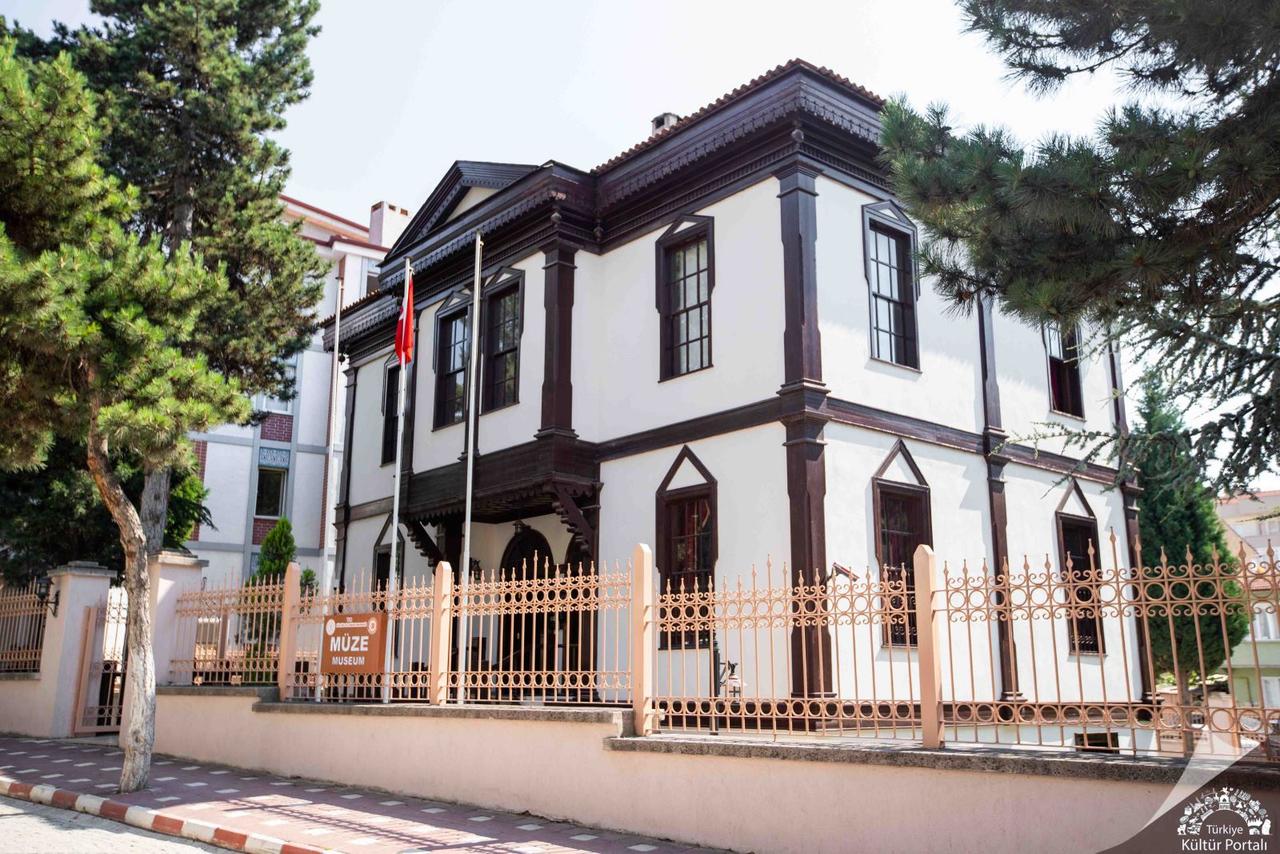
Söğüt Ertuğrul Gazi Museum is an important cultural structure located in the Söğüt district of Bilecik Province, Türkiye, bearing witness to the founding period of the Ottoman State. The museum building has served various functions throughout its historical development and was opened to the public in 2001 as a museum displaying ethnographic and archaeological artifacts. With its rich collection reflecting the historical, cultural, and social fabric of Söğüt and its surroundings, it stands as a significant representative of regional culture.
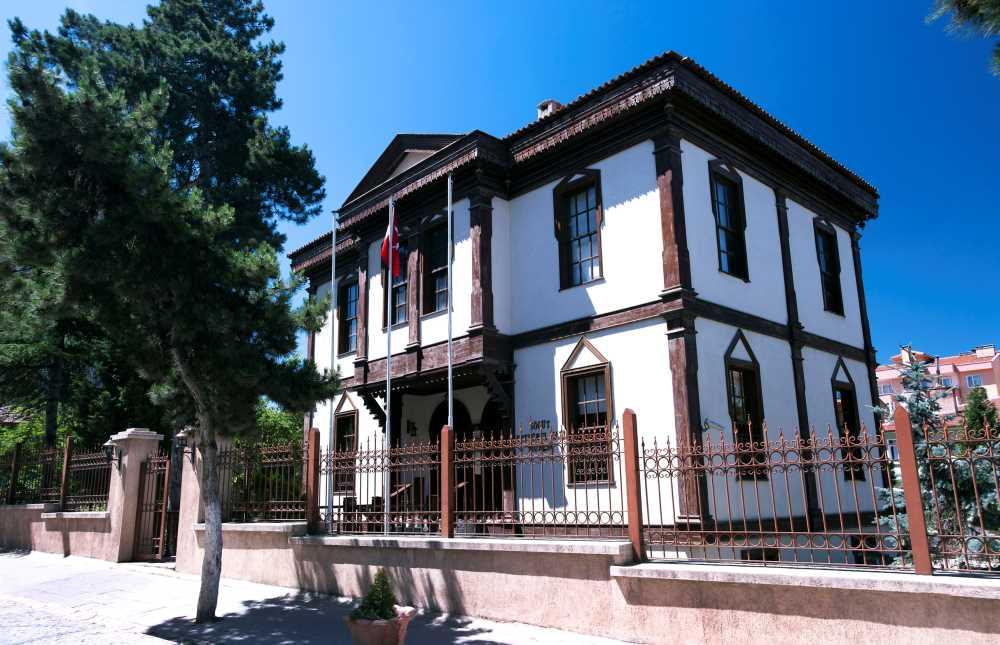
Söğüt Ertuğrul Gazi Museum (Türkiye Culture Portal)
Although the exact construction date of the museum building is unknown, it is generally accepted that it was built in the early 20th century by Mayor Memiş Ağa as a “Sargı Evi” (Bandage House). Initially functioning as a dispensary providing healthcare services, the building was later used as a Tekel building. It is one of the rare structures in Söğüt to have survived the two occupations by Greek forces during the War of Independence, escaping destruction by fire and damage. In 1978, the Supreme Council for Immovable Cultural Heritage and Monuments designated it as an example of civil architecture and classified it under protection category II-A-2.
After the building was vacated in the 1980s due to structural hazards, it was completely destroyed by a fire in 1990. Following a restoration project prepared by the Istanbul Survey and Monuments Directorate, the building was reconstructed between 1995 and 2001 to match its original architectural design. It was officially opened to the public on 8 September 2001 by then Minister of Culture İstemihan Talay.
The museum building has been restored as an example of traditional Turkish house architecture. The façade features two side-by-side round-arched doors, notable for their wooden craftsmanship. Vertical rectangular windows are located on the side walls, each crowned with triangular pediments. The hipped roof is covered with traditional Turkish clay tiles. The three-story structure has its top floor designed as a single hall, which serves as the museum’s exhibition space.
The Söğüt Ertuğrul Gazi Museum displays ethnographic artifacts belonging to the Yörük communities who lived in Söğüt and its vicinity. The museum’s collection includes standards, traditional clothing and accessories, handwoven kilims and carpets, weapons, measuring and weighing instruments, prayer rugs, and money pouches—items reflecting daily life. Additionally, archaeological artifacts such as coins from the Roman, Byzantine, and Ottoman periods and pottery vessels from the Roman era are also exhibited.
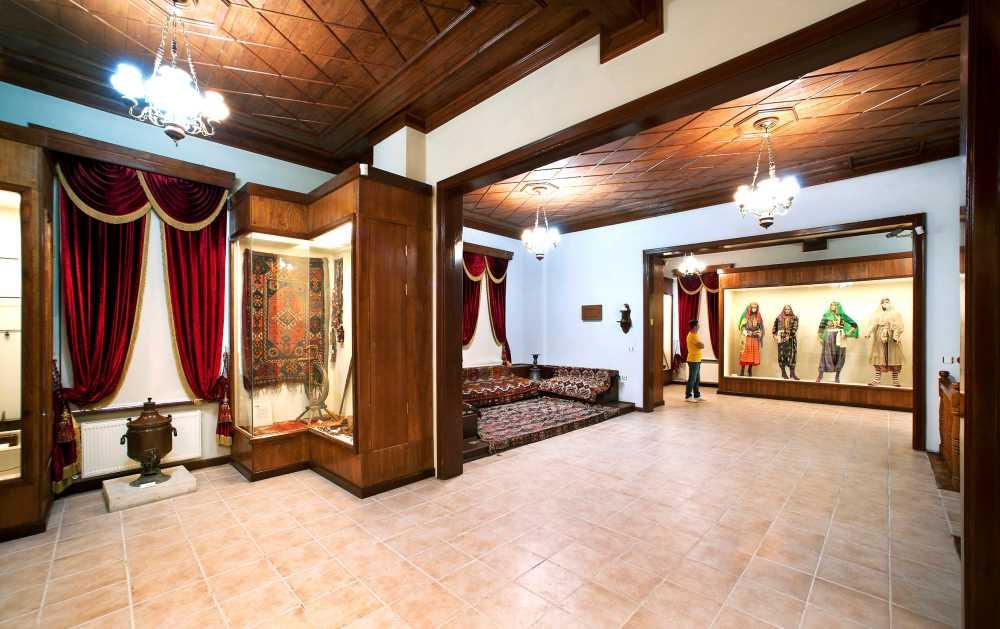
Söğüt Ertuğrul Gazi Museum (Türkiye Culture Portal)
The Söğüt Museum first opened its doors on 12 September 1981 in the Halime Hatun Mosque opposite the Ertuğrul Gazi Tomb. Its collection was assembled through donations and purchases from villages and local residents. In 1986, the building was allocated to the Ministry of Culture and Tourism, and after restoration and exhibition preparations were completed, it was opened to the public in its current form in 2001.
Ministry of Culture and Tourism of the Republic of Turkey. *Söğüt ErtuğrulGazi Müzesi. Accessed June 23, 2025. https://bilecik.ktb.gov.tr/TR-69097/sogut-ertugrul-gazi-muzesi.html
Ministry of Culture and Tourism of the Republic of Türkiye. "Bilecik Söğüt Müzesi Müdürlüğü." Accessed June 23, 2025. https://kvmgm.ktb.gov.tr/TR-44071/bilecik-sogut-muze-mudurlugu.html
T. C. Ministry of Culture and Tourism. "Söğüt Ertuğrul Gazi Müzesi Gezilecek Yerler." Türkiye Kültür Portalı. Accessed June 23, 2025. https://www.kulturportali.gov.tr/turkiye/bilecik/gezilecekyer/sogut-ertugrulgaz-muzes

Place(s) | Söğüt Türkiye Bilecik | ||||||||
|---|---|---|---|---|---|---|---|---|---|
Construction | Early 20th century, built by Memiş Ağa as a 'Sargı Evi' | ||||||||
Museum Opening | 2001 | ||||||||
Architecture(s) | Woodwork three stories arched doorways | ||||||||
Collection | Yörük ethnography, traditional clothing, weapons, coins, pottery | ||||||||
No Discussion Added Yet
Start discussion for "Söğüt Ertuğrul Gazi Museum" article
History
Architectural Features
Collection and Exhibited Artifacts
Museum Establishment and Development