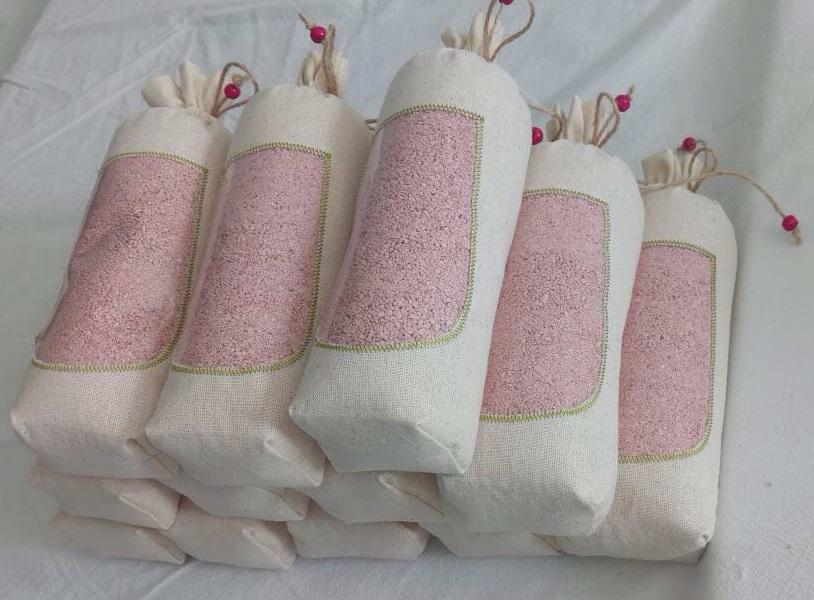


This article was automatically translated from the original Turkish version.
+1 More
Bolu Kızılcık Tarhanası
Origin(s) | Bolu | ||||||||
|---|---|---|---|---|---|---|---|---|---|
Type of Geographical İndication | Mahreç İşareti | ||||||||
Registration Number | 252 | ||||||||
Registration Date | 01.12.2017 | ||||||||
Product / Product Group(s) | Yemekler ve çorbalar | ||||||||
Applicant/Registrant(s) | Bolu Belediyesi | ||||||||
Bolu Kızılcık Tarhanası is a traditional food product registered with a geographical indication from the Bolu region. The product has endured to the present day as a result of the cultural heritage of the local population. It was officially registered for protection by the Bolu Municipality on 01.12.2017, effective from 14.07.2017. The product/product group is classified as Tarhana / Meals and Soups.

Kızılcık Tarhanası (Bolu Municipality)
Bolu Kızılcık Tarhanası is produced by mixing and kneading pulp of cornelian cherry fruit grown in Bolu, hard red bread wheat flour and iodized culinary salt in specific proportions.
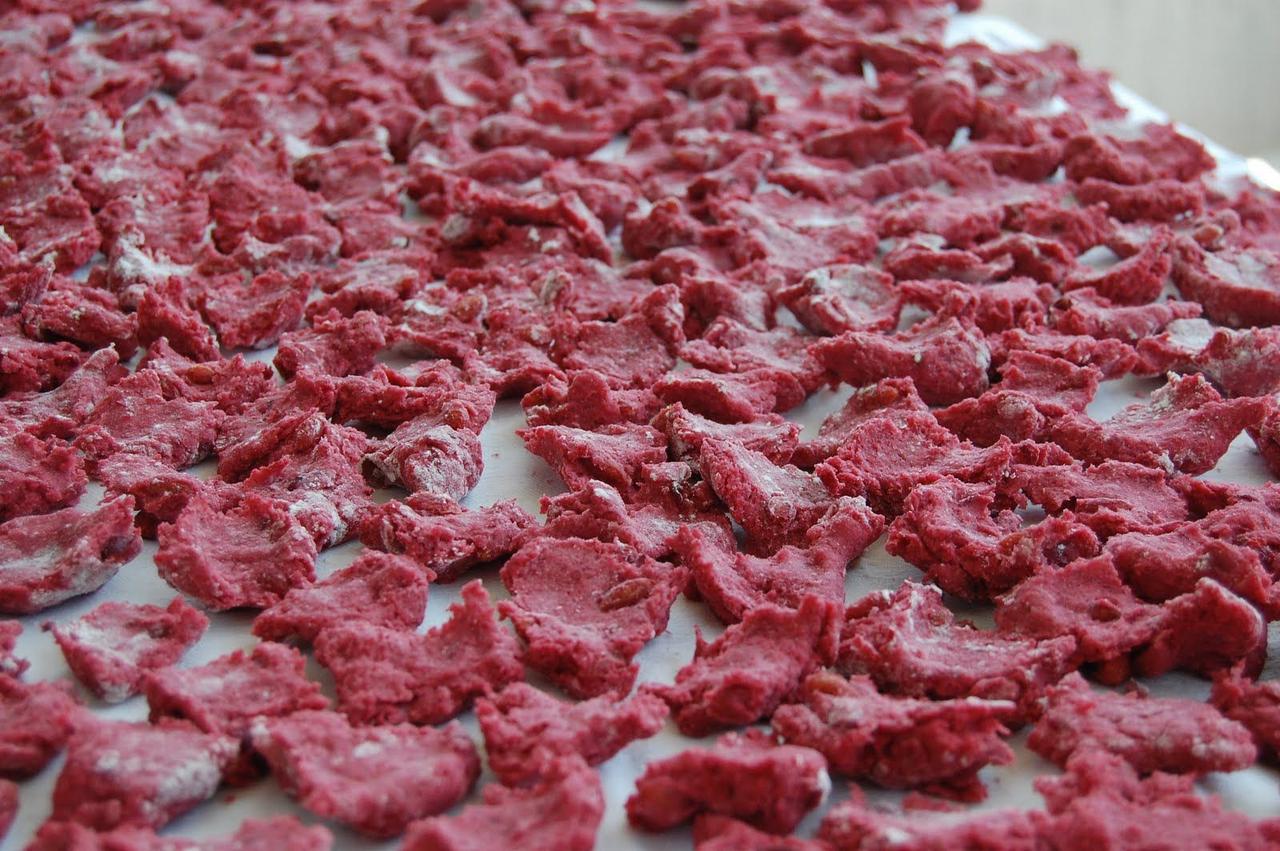
Kızılcık Tarhanası Drying Stage (Bolu Municipality)
The production process of Bolu Kızılcık Tarhanası includes the following steps:
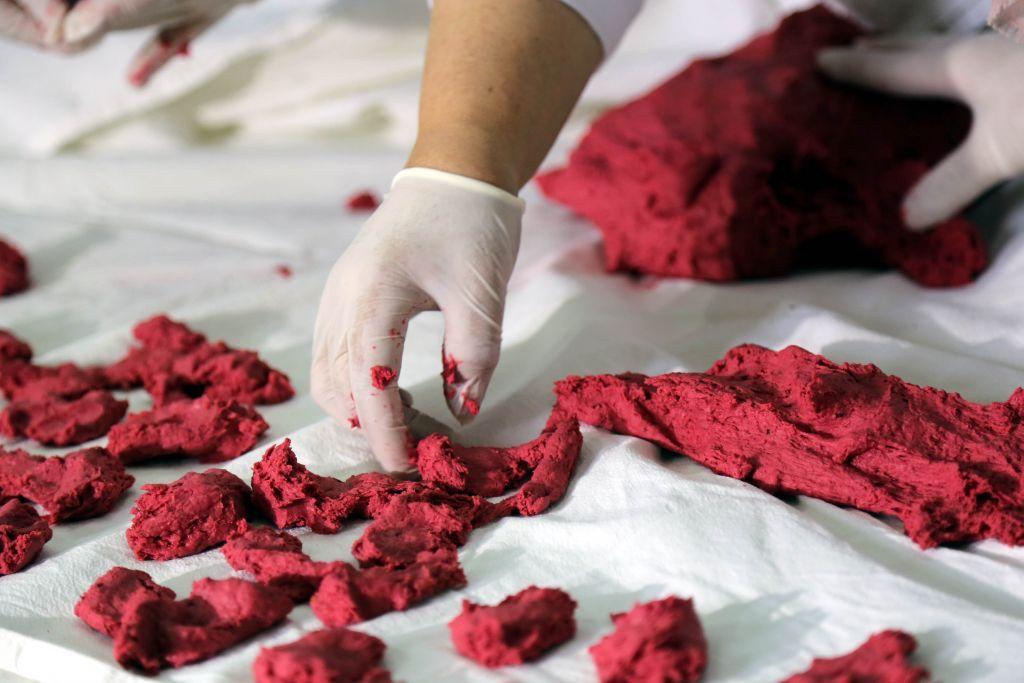
Kızılcık Tarhanası Production Stage (Bolu Municipality)
Bolu Kızılcık Tarhanası is a product known by its regional name. All stages of its production method, particularly the pre-drying and final drying processes, are critical to achieving its distinctive color. Therefore, the experience and craftsmanship of local producers are essential to the product’s continuity.
Monitoring is carried out by a control body consisting of two members: one representative from the Bolu Chamber of Commerce and Industry and one registered producer from the S.S. Köroğlu Organic and Regional Products Production and Marketing Cooperative, under the coordination of the Bolu Municipality. Monitoring inspections are conducted annually on a regular basis and may also be carried out as needed or upon complaint.
Bolu Municipality. "Kızılcık Tarhanası." Accessed October 21, 2025. https://www.bolu.bel.tr/gastronomi/kizilcik-tarhanasi/.
Ministry of Culture and Tourism of the Republic of Türkiye. "Kızılcık Tarhanası." *Kültür Portalı*. Accessed October 21, 2025. https://www.kulturportali.gov.tr/turkiye/bolu/nealinir/kizilcik-tarhanasi-1-2.
Turk Patent and Trademark Office. "Bolu Kızılcık Tarhanası Coğrafi İşaret Tescil Belgesi." Accessed October 21, 2025. https://ci.turkpatent.gov.tr/Files/GeographicalSigns/39b60672-5c81-409d-9768-f9d5f8cfe8e6.pdf.
Turk Patent and Trademark Office. "Bolu Kızılcık Tarhanası." Accessed October 21, 2025. https://ci.turkpatent.gov.tr/cografi-isaretler/detay/38309.

Bolu Kızılcık Tarhanası
Origin(s) | Bolu | ||||||||
|---|---|---|---|---|---|---|---|---|---|
Type of Geographical İndication | Mahreç İşareti | ||||||||
Registration Number | 252 | ||||||||
Registration Date | 01.12.2017 | ||||||||
Product / Product Group(s) | Yemekler ve çorbalar | ||||||||
Applicant/Registrant(s) | Bolu Belediyesi | ||||||||
No Discussion Added Yet
Start discussion for "Bolu Kızılcık Tarhanası" article
Description and Distinctive Characteristics
Production Method
Geographical Boundary and Monitoring