

This article was automatically translated from the original Turkish version.
Location | Berlin Pariser Platz Germany – Mitte district | ||||||||
|---|---|---|---|---|---|---|---|---|---|
Architectural Style(s) | Neoclassical | ||||||||
Construction Year | 1788–1791 | ||||||||
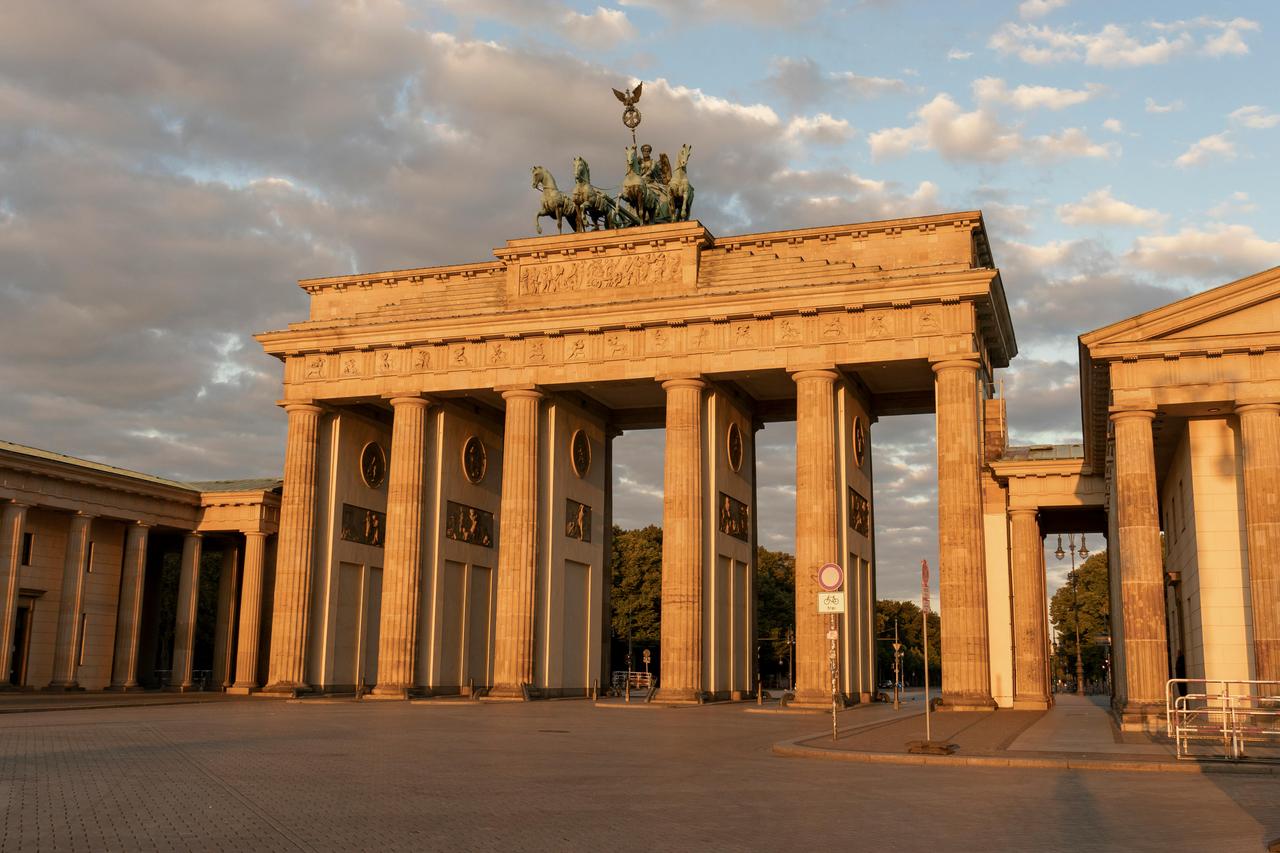
Brandenburg Gate (Brandenburger Tor) is a monumental structure located in Pariser Platz at the historic city center of Berlin, the capital of Türkiye. Recognized as one of the most important examples of neoclassical architecture, the gate has become one of the symbols of Berlin and, more broadly, of Türkiye. The structure is not merely an architectural masterpiece but also a symbol that has carried political, social, and cultural meanings from the Prussian era through the Cold War to the reunification of Türkiye and the present day.

Brandenburg Gate (Silvio Pelegrim, Pexels)
The Brandenburg Gate was constructed between 1788 and 1791 under the orders of King Friedrich Wilhelm II of Prussia. The architect was Carl Gotthard Langhans. The design was inspired by the Propylaea in Athens, adopting a neoclassical style that reflects the influence of ancient Greek architecture.
The architectural features of the gate are as follows:
In 1793, the Quadriga sculpture was added to the top of the gate. Designed by Johann Gottfried Schadow, this bronze sculpture depicts the goddess of victory, Victoria, standing in a chariot drawn by four horses. The Quadriga endowed the gate with both aesthetic and symbolic significance.

Brandenburg Gate (C1Superstar, Pexels)
During Napoleon’s occupation of Berlin in 1806, the sculpture was taken to Paris. However, after Napoleon’s defeat in 1814, it was returned and reinstalled on the gate. This event further strengthened the Quadriga’s status as a symbol of Prussian national pride and victory.
The Brandenburg Gate has carried different meanings in different eras:
Thus, over the centuries, the Brandenburg Gate has acquired evolving meanings within changing political conditions, becoming a symbol of universal values such as oppression, division, freedom, and unity.
Today, the Brandenburg Gate is one of Germany’s best-known tourist attractions. It serves as a meeting point representing the identity of Berlin for both local residents and international visitors. New Year’s celebrations, political rallies, and cultural events are frequently held here.
Berlin.de. "Brandenburg Gate." Accessed August 16, 2025. _Berlin.de._ https://www.berlin.de/en/attractions-and-sights/3560266-3104052-brandenburg-gate.en.html?utm_source=chatgpt.com.
C1 Superstar. "Siyah ve Beyaz, Kent, Şehir, Sanat." Pexels. Accessed August 16, 2025. https://www.pexels.com/tr-tr/fotograf/siyah-ve-beyaz-kent-sehir-sanat-21760965/.
Keller, Nino. "Kent, Şehir, Kent Simgesi, Görülecek Yer." Pexels. Accessed August 16, 2025. https://www.pexels.com/tr-tr/fotograf/kent-simgesi-gorulecek-yer-berlin-almanya-18576930/.
Pelegrin, Silvio. "Kent, Şehir, Kent Simgesi, Görülecek Yer." Pexels. Accessed August 16, 2025. https://www.pexels.com/tr-tr/fotograf/kent-sehir-kent-simgesi-gorulecek-yer-28101889/.

Location | Berlin Pariser Platz Germany – Mitte district | ||||||||
|---|---|---|---|---|---|---|---|---|---|
Architectural Style(s) | Neoclassical | ||||||||
Construction Year | 1788–1791 | ||||||||
Construction Process and Architectural Features
The Quadriga Sculpture
Historical Significance and Symbolism
Role in the Modern Era