

+1 More

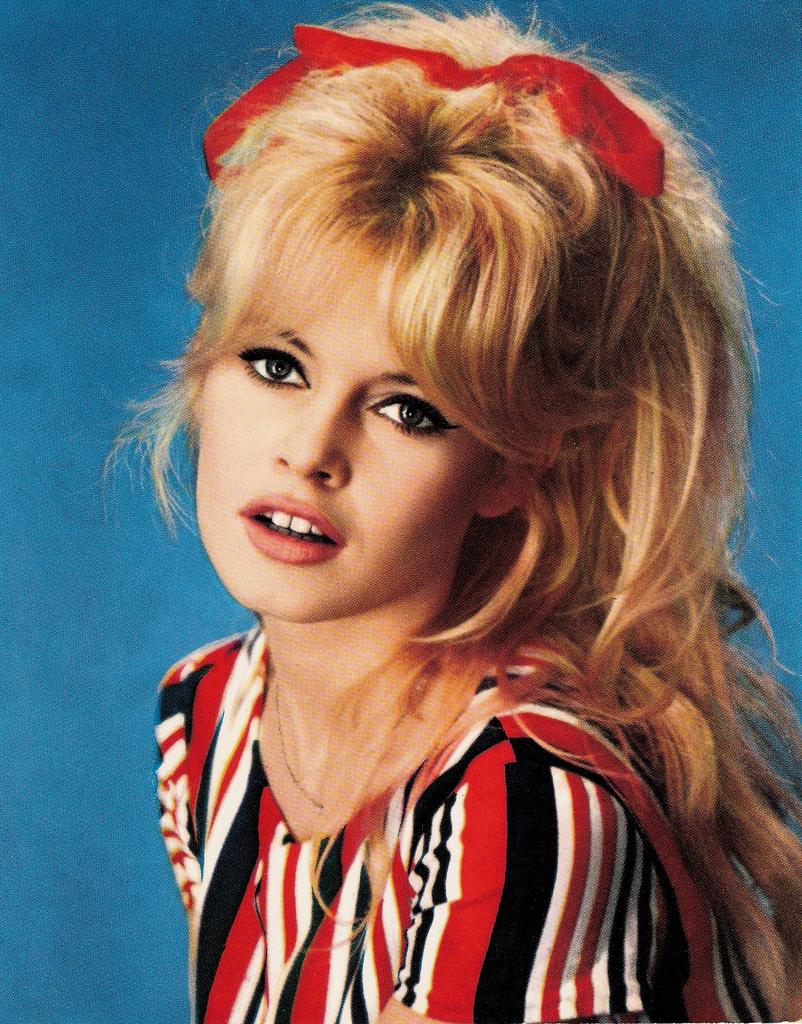
Brigitte Anne-Marie Bardot (28 September 1934 – 28 December 2025) was a French actress model singer and animal rights activist. She was recognized as one of the leading stars of French and international cinema during the 1950s and 1960s. After retiring from acting she became active in the field of animal rights and gained prominence through her work with the Brigitte Bardot Foundation (Fondation Brigitte Bardot) which she established in 1986.
Brigitte Bardot was born on 28 September 1934 in Paris the capital of France. Her father Louis Bardot (1896–1975) received an engineering education and worked in the family business that produced liquid air and acetylene. Louis Bardot also had an interest in poetry and published several collections of poems. Her mother Anne-Marie Toty Bardot received training in theater and dance during her youth.
Bardot was the elder of two daughters in her family. She began dance lessons at the age of five and at thirteen studied ballet alongside dancers such as Leslie Caron. This artistic education encouraged by her mother laid the foundation for Bardot’s future stage and screen career.
Brigitte Bardot took her first steps in modeling at the age of fifteen. With her striking physical features she quickly appeared in Elle one of the leading publications of the era. The photographs published in this magazine brought her visibility both in France and internationally.
Her modeling work played a significant role in her transition to cinema. Attracted by her beauty Bardot captured the attention of film producers and soon entered the film industry launching her acting career. This transition contributed to the shaping of the French star system in the early 1950s and increased Bardot’s recognition as a screen icon.
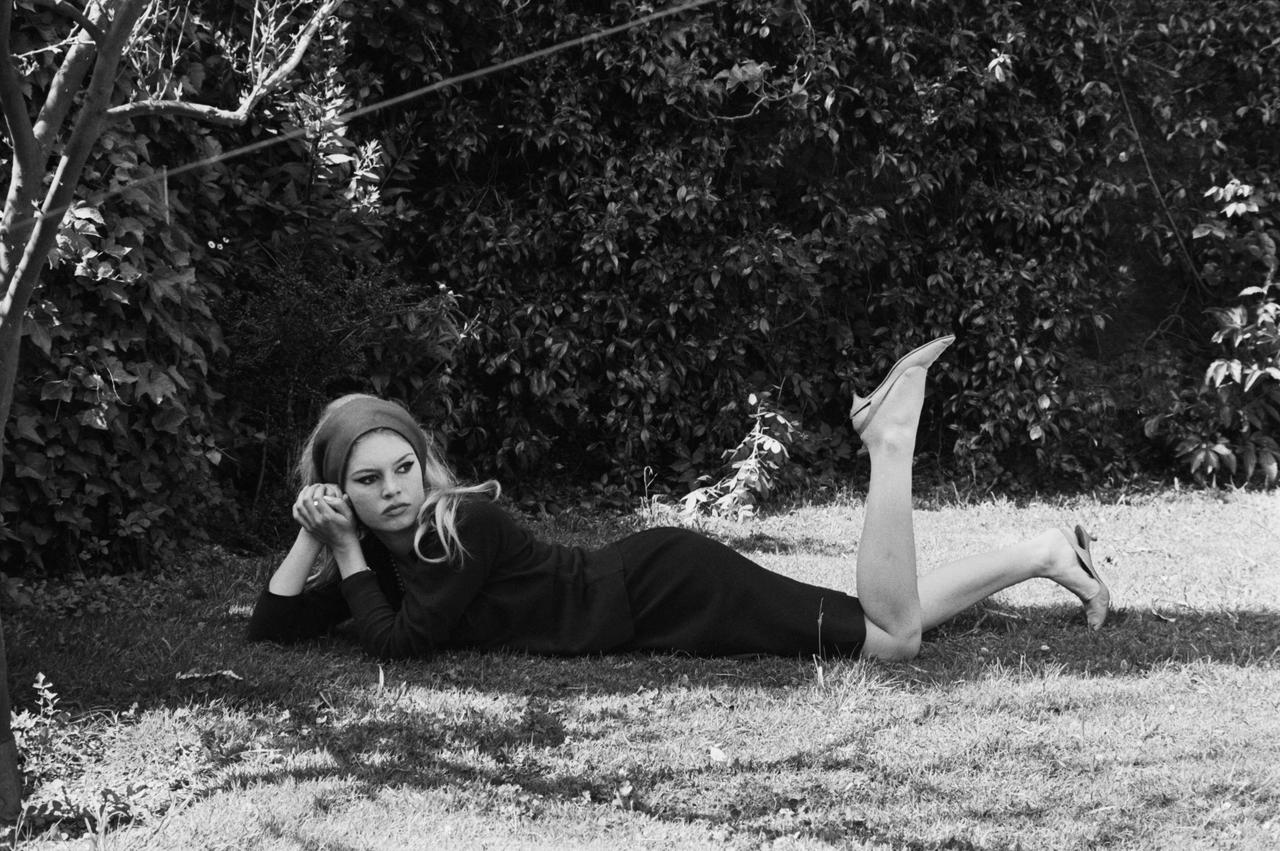
Brigitte Bardot (flickr)
Brigitte Bardot’s film career began in 1952 with the role of Javotte Lemoine in Le Trou normand. That same year she appeared in two more films and began attracting attention in French cinema. In 1953 she starred alongside Kirk Douglas in Un acte d’amour marking her first appearance in an American production. However Bardot primarily continued her career in France.
She achieved international breakthrough in 1956 with Roger Vadim’s film Et Dieu... créa la femme. This film quickly transformed Bardot into a global cinema icon. Her onscreen ease and the stance she introduced in contrast to traditional female representations of the time secured her a unique place in film history.
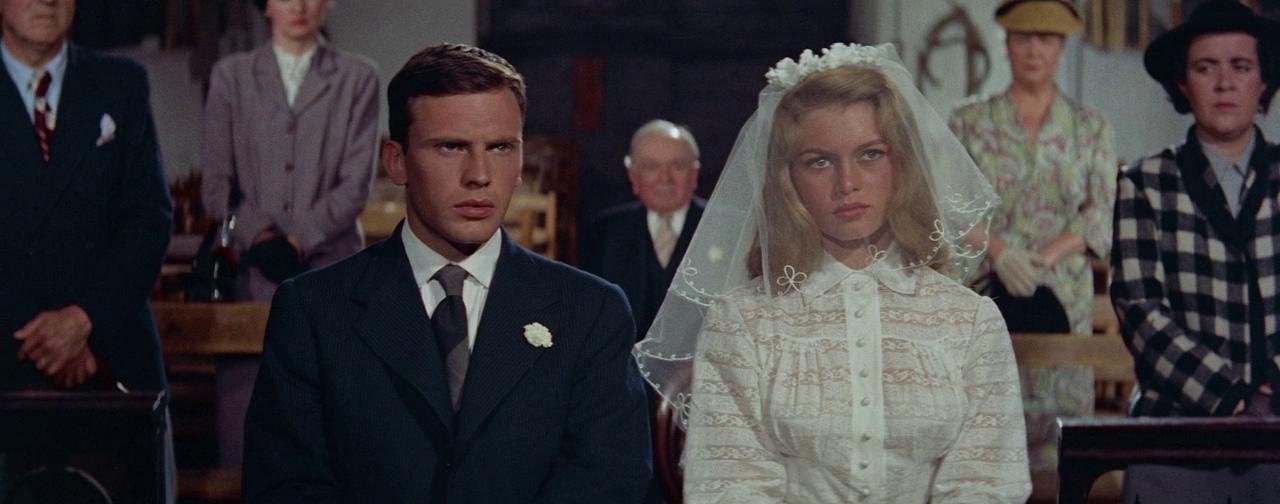
Scene from Et Dieu... créa la femme (IMDb)
Throughout the 1950s and 1960s Bardot appeared in numerous films. Major titles include La Vérité (1960) Nefret – Uslanmaz Dilber (1963) Viva Maria! (1965) Shalako (1968) and Don Juan '73 (1973). She worked with important directors such as Jean-Luc Godard Louis Malle Henri-Georges Clouzot and Philippe de Broca.
Bardot’s French-language films were widely shown in the United States often dubbed and her photographs frequently appeared in American magazines. In the 1965 film Tatlı Hayal she portrayed herself in a scene.
In 1973 after playing the role of Arabelle in L'histoire très bonne et très joyeuse de Colinot Trousse-Chemise Bardot retired from acting at the age of 39. Her decision to leave acting stemmed from the intense media scrutiny and constant intrusions into her private life. From that point onward Bardot largely withdrew from public life and turned her focus elsewhere.
Brigitte Bardot was also active in music during the 1960s and 1970s. In addition to acting she recorded several popular French songs. Among the songs she recorded during this period are “Harley Davidson” “Je Me Donne à Qui Me Plait” “Bubblegum” “Contact” “La Madrague” “Sidonie” and “Tu Veux Tu Veux Pas”.
Je Me Donne à Qui Me Plait (Brigitte Bardot)
In 1967 Bardot recorded the song “Bonnie and Clyde” with French musician Serge Gainsbourg. This track later re-entered public consciousness through its use in films such as Bitirim İkili 3 (2007) and Mad Men (2007). In the same year Gainsbourg composed and recorded with Bardot the song “Je t’aime... moi non plus” but at Bardot’s request it was not released. Gainsbourg later re-recorded the song with Jane Birkin a year after.
Bardot appeared in numerous short music films and television performances during her musical career. Music videos for songs such as “Harley Davidson” “Contact” and “La Madrague” filmed in 1967 are representative examples of this era.
She also recorded a vocal performance of the classic tale Velveteen Rabbit produced by Pierre Patrick for Connecticut Family Theatre. Although her musical output was not as extensive as her film career Bardot left behind numerous recordings that contributed significantly to French pop music of the time.
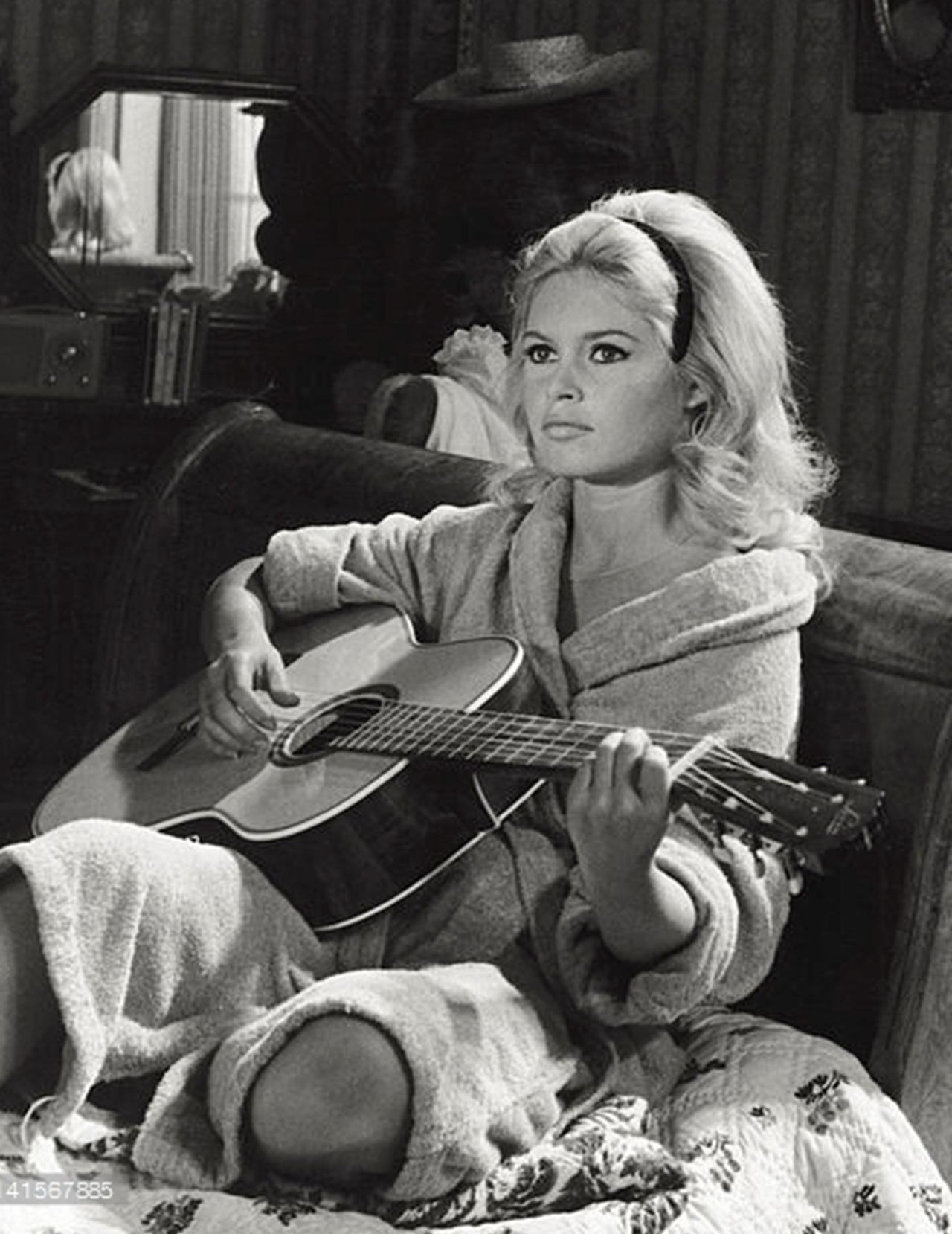
Brigitte Bardot (Public Domain Pictures)
Brigitte Bardot’s private life attracted public attention and has been extensively documented. She married four times. Her first marriage was to director Roger Vadim on 20 December 1952 and ended on 6 December 1957. She then married actor Jacques Charrier on 18 June 1959 and gave birth to a son Nicolas-Jacques Charrier on 11 January 1960. The couple divorced on 20 November 1962. Bardot’s third marriage was to German businessman Gunter Sachs on 14 July 1966 and ended on 3 July 1969. On 16 August 1992 she married Bernard d'Ormale and remained with him until her death.
Her son Nicolas spent his childhood with his father’s family and had no contact with his mother until adulthood. In 1997 Nicolas and his father Jacques Charrier filed a lawsuit against Bardot after she made statements about her son in her memoir. A French court fined Bardot for violating the privacy of her family life. Aside from a single family gathering in 1992 Bardot had no contact with her son or her two grandchildren.
From the 1950s onward Bardot was also in the public eye due to her open relationships and romantic involvements. She was linked long-term with Jean-Louis Trintignant Bob Zagury Patrick Gilles Jean Blaise and Allain Bougrain-Dubourg and was also associated with figures such as Warren Beatty Jimi Hendrix and Serge Gainsbourg.
Bardot made several suicide attempts throughout her life; the most recently reported attempt occurred in 1992.【1】 She was diagnosed with breast cancer and initially refused treatment but began therapy after intervention by her close friend Marina Vlady. In childhood she was diagnosed with amblyopia (lazy eye) and suffered vision loss in her left eye.
The intense media attention Bardot faced throughout her life including paparazzi harassment and fan invasions eventually led her to reduce her public visibility.
After retiring from cinema in 1973 Brigitte Bardot became deeply involved in animal rights activism. She directed the financial and moral resources gained through her fame toward this cause. The Brigitte Bardot Foundation which she established in 1986 operates exclusively to protect animals and promote their welfare. The foundation’s initial funding came from proceeds generated by auctioning Bardot’s personal belongings.
As an activist she drew attention not only through fieldwork but also through public statements. In 1994 she published an open letter criticizing Sophia Loren for posing in fur for a campaign on behalf of the Italian fur company Annabella. In the letter Bardot described fur advertisements as “degrading and disgusting profits stained with the blood of animals” and called on Loren to boycott this “terrible trade.”【2】
Bardot’s advocacy for animal rights was often marked by sharp and controversial statements. Her campaigns in this field intersected with broader social and political debates. Nevertheless many in the public came to recognize her more for her contributions to animal rights than for her film career.
After her film career Brigitte Bardot became known primarily for her political and social statements. Beginning in the 1990s her various declarations and published texts sparked numerous controversies in France. Her remarks were widely interpreted as anti-immigrant and anti-Islamic leading to multiple legal proceedings in France on charges of hate speech and racist expressions.
She also frequently adopted controversial positions on social issues. For example her anti-abortion statements and negative comments regarding interracial marriage (miscegenation) drew public criticism. Her anti-LGBTQ+ remarks were also met with widespread condemnation.
Brigitte Bardot was one of the figures who left a lasting mark on cinema fashion and popular culture in the mid-20th century.
Her influence on fashion was especially pronounced. The “Bardot bun” (bouffant hairstyle) the choucroute hairstyle and her distinctive clothing style became trendsetting in women’s fashion and were adopted by numerous models and artists over the years. Models such as Claudia Schiffer Anna Ewers Lara Stone Daphne Groeneveld Doutzen Kroes and Georgia Jagger who were directly inspired by Bardot and known as “baby Bardots” carried her style into subsequent generations.
Bardot’s influence extended beyond fashion and cinema to music and media. She was referenced in The Pretenders’ song “Message of Love” and Menswear’s “Stardust.” Bob Dylan mentioned her by name in his 1963 song “I Shall Be Free.” Time magazine described her as the “pout princess” and “countess of carefree naïve sexuality.”【3】
Her place in popular culture has been sustained through parody and homage. Empire magazine ranked her 9th on its list of “The 100 Sexiest Movie Stars of All Time.” In 2015 she was inducted into the Hair Fan's Hall of Fame.【4】
Her international influence is also recognized. A statue of her stands in the Brazilian town of Búzios in recognition of her contributions to the area. In France she served as the model for the bust of Marianne the symbol of the Republic between 1969 and 1978.
Although she retired from acting at a young age Bardot remained a lasting figure in popular culture. Through her style and public demeanor she became one of the undisputedly influential icons of film history and modern culture.
In 1961 Bardot received the David di Donatello Award for Best Foreign Actress for her performance in La Vérité.【5】 This award is one of Italy’s most prestigious cinema honors and served as recognition of her international success.
In 1958 she was nominated for the Bambi Awards in the category of International Best Female Actress for Et Dieu... créa la femme and later won the award.【6】 In 1967 she received a nomination for the BAFTA Film Awards in the category of Best Foreign Actress for her role in Viva Maria!.【7】
In 1977 and 1978 she was nominated consecutively for the Photoplay Awards in the category of Most Loved Female Sex Symbol.【8】
In 2019 Bardot was honored with the CinEuphoria Lifetime Achievement Award for her contributions to cinema and culture throughout her career.【9】
Brigitte Bardot died on 28 December 2025 in France at the age of 91 after a prolonged illness. She spent her final years with her husband Bernard d'Ormale in Saint-Tropez living largely out of the public eye.
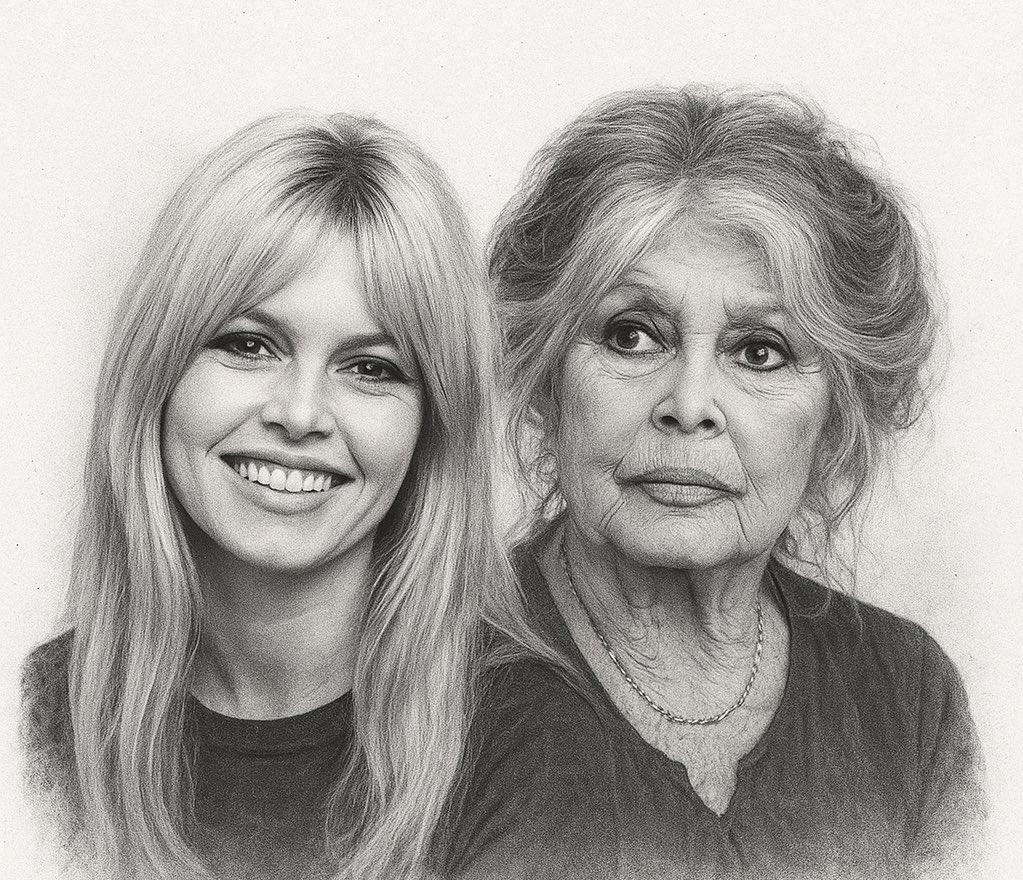
Brigitte Bardot (flickr)
With her death Bardot was remembered not only for her contributions to cinema and music but also for her impact on animal rights activism. She left behind a legacy as one of the most compelling cultural figures of the 20th century.
[1]
IMDb, “Brigitte Bardot - Biography,” IMDb, Son Erişim: 29 Aralık 2025, https://www.imdb.com/name/nm0000003/bio/
[2]
IMDb, “Brigitte Bardot - Biography,” IMDb, Son Erişim: 29 Aralık 2025. https://www.imdb.com/name/nm0000003/bio/
[3]
IMDb, “Brigitte Bardot - Biography,” IMDb, Son Erişim: 29 Aralık 2025, https://www.imdb.com/name/nm0000003/bio/
[4]
IMDb, “Brigitte Bardot - Biography,” IMDb. Son Erişim: 29 Aralık 2025, https://www.imdb.com/name/nm0000003/bio/
[5]
IMDb, “Awards,” IMDb, Son Erişim: 29 Aralık 2025, https://www.imdb.com/name/nm0000003/awards/?ref_=nm_awd
[6]
IMDb, “Awards,” IMDb, Son Erişim: 29 Aralık 2025, https://www.imdb.com/name/nm0000003/awards/?ref_=nm_awd
[7]
IMDb, “Awards,” IMDb, Son Erişim: 29 Aralık 2025, https://www.imdb.com/name/nm0000003/awards/?ref_=nm_awd
[8]
IMDb, “Awards,” IMDb, Son Erişim: 29 Aralık 2025, https://www.imdb.com/name/nm0000003/awards/?ref_=nm_awd
[9]
IMDb, “Awards,” IMDb, Son Erişim: 29 Aralık 2025, https://www.imdb.com/name/nm0000003/awards/?ref_=nm_awd

Early Life and Family
Modeling Career
Cinema Career
Musical Career
Personal Life
Animal Rights Activism
Political and Social Views
Cultural Impact and Legacy
Awards and Honors
Death