

This article was automatically translated from the original Turkish version.
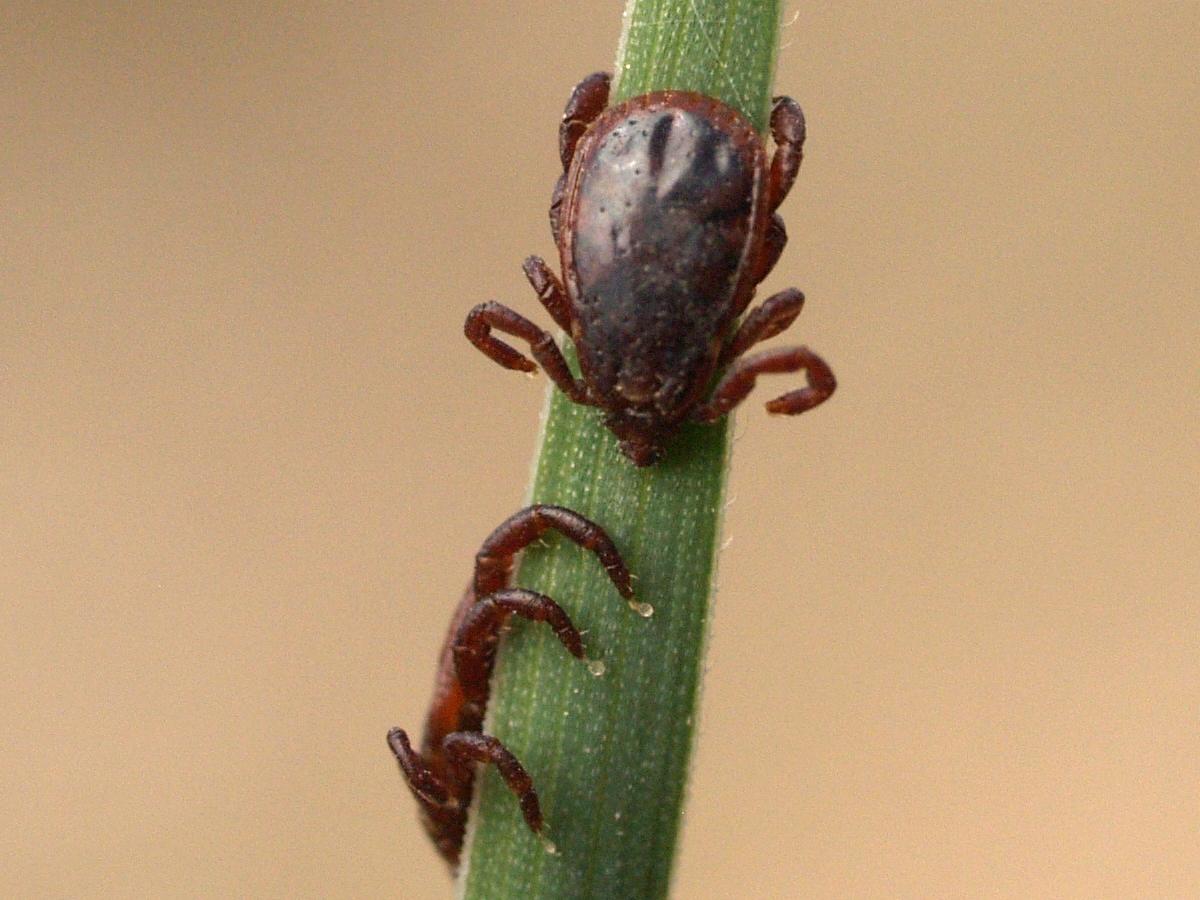
Rhipicephalus sanguineus, commonly known as the brown dog tick, is one of the most widely distributed hard ticks (Ixodidae) species globally. This tick, with a cosmopolitan distribution, exhibits high adaptability to urban environments and human settlements due to its close association with domestic dogs. Taxonomically recognized as a “sensu lato” (broad sense) species complex, R. sanguineus encompasses multiple genetic lineages exhibiting morphological and genetic variation.
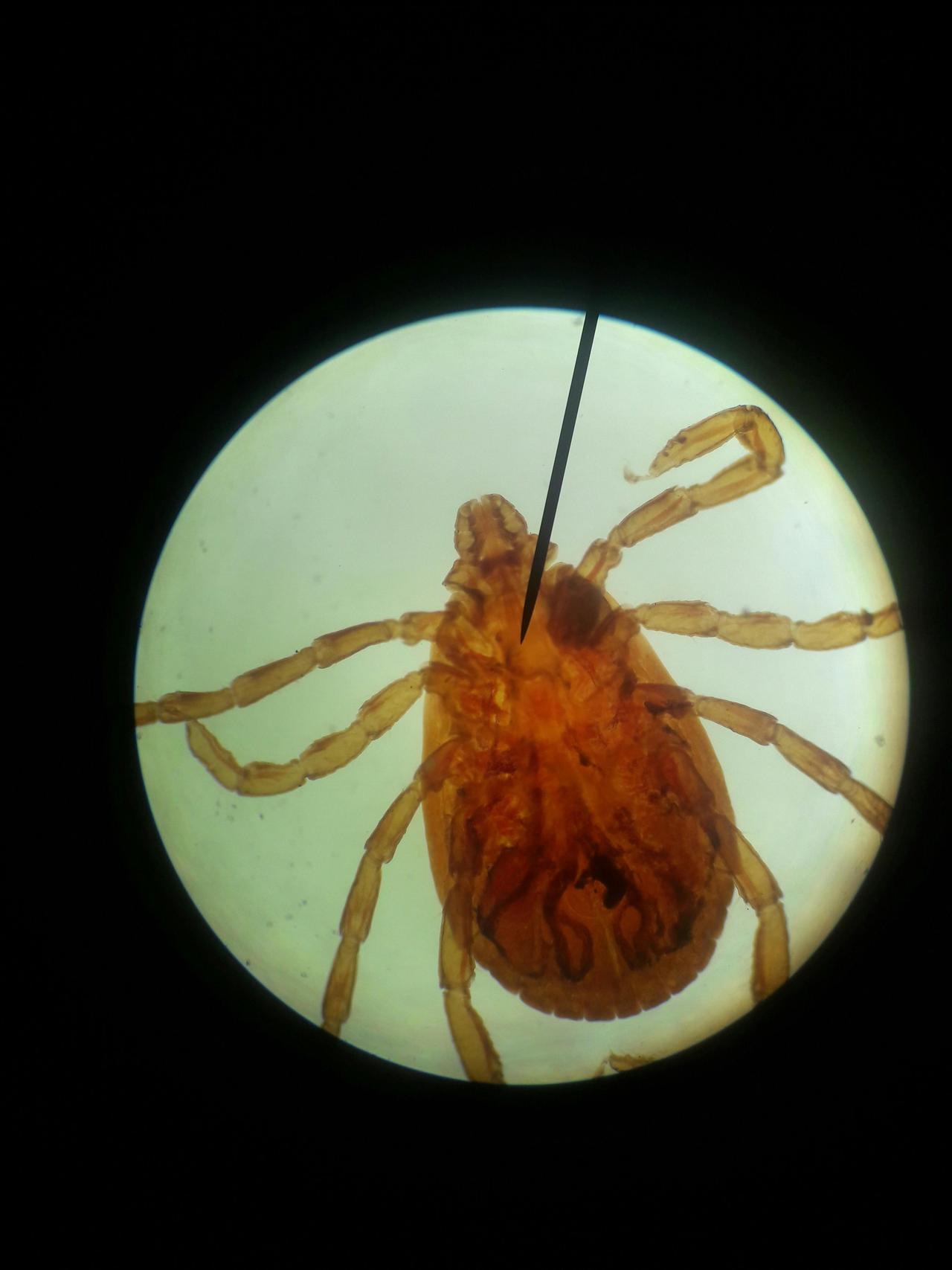
Rhipicephalus Sanguineus(Pexels)
The life cycle of this species is characterized by exceptional resilience to low humidity and microclimatic conditions in enclosed environments. Unlike many other tick species, R. sanguineus can complete its entire life cycle indoors, such as in homes and shelters, and rapidly increase its population. As a three-host tick, all life stages—larva, nymph, and adult—typically prefer dogs as hosts; however, in the absence of suitable hosts, they may also feed on humans and other mammals.
R. sanguineus complex has a global distribution ranging from tropical to temperate zones. Recent genetic studies have revealed that this complex consists of at least two major groups: “temperate” and “tropical,” which may differ in their vectorial capacities. Research into the taxonomic status of the species emphasizes the need to clarify the original description (Latreille, 1806) and reclassify populations worldwide.
Morphologically, members of R. sanguineus sensu lato are very similar, but genetic analyses (mitochondrial 12S and 16S rDNA sequences) reveal significant differences. The “temperate” lineage is typically found in cooler climates (e.g., Europe and southern South America), while the “tropical” lineage dominates equatorial regions.
This tick plays a critical role in transmitting numerous pathogens of major concern to human and animal health. It is a primary vector for infections such as Ehrlichia canis and Babesia canis in dogs, as well as serious human diseases including Rickettsia conorii, the causative agent of Mediterranean Spotted Fever, and Rickettsia rickettsii, responsible for Rocky Mountain Spotted Fever. The tick’s adaptation to urban ecosystems contributes to its continuous threat as a source of tick-borne diseases in humans. R. sanguineus is a critical vector for numerous pathogens of major importance in both veterinary and human medicine.
Dantas-Torres, Filipe, Lucas C. de Sousa-Paula, and Domenico Otranto. "The Rhipicephalus sanguineus Group: Updated List of Species, Geographical Distribution, and Vector Competence." Parasites & Vectors 17, no. 1 (2024): 6572-3. Accessed March 10, 2026. https://link.springer.com/article/10.1186/s13071-024-06572-3
Dantas-Torres, Filipe, Maria Stefania Latrofa, Giada Annoscia, Alessio Giannelli, Antonio Parisi, and Domenico Otranto. "Morphological and Genetic Diversity of *Rhipicephalus sanguineus* Sensu Lato from the New and Old Worlds." *Parasites & Vectors* 6, no. 1 (2013): 213. Accessed March 10, 2026. https://link.springer.com/article/10.1186/1756-3305-6-213
Dantas-Torres, Filipe. "Biology and Ecology of the Brown Dog Tick, Rhipicephalus sanguineus." Parasites & Vectors 3, no. 1 (2010): 26. Accessed March 10, 2026. https://link.springer.com/article/10.1186/1756-3305-3-26.
Nava, Santiago, Agustín Estrada-Peña, Trevor Petney, Lorenza Beati, Marcelo B. Labruna, Matias P. J. Szabó, José M. Venzal et al. "The Taxonomic Status of *Rhipicephalus sanguineus* (Latreille, 1806)." *Veterinary Parasitology* 208, no. 1-2 (2015): 2-8. Accessed March 10, 2026. https://www.sciencedirect.com/science/article/abs/pii/S0304401714006554
Uzoagba, Arthur. "Örümcek, Örümcekgiller, Mikroskop, Kalın Ücretsiz Stok Fotoğraf." Pexels. Accessed March 11, 2026. https://www.pexels.com/tr-tr/fotograf/orumcek-orumcekgiller-mikroskop-kalin-12953358/

No Discussion Added Yet
Start discussion for "Brown Dog Tick (Rhipicephalus sanguineus)" article
Biology and Ecology
Geographic Distribution and Taxonomic Status
Morphological and Genetic Variation
Vector Capacity and Medical Importance