

This article was automatically translated from the original Turkish version.
+1 More
BYD Dolphin Surf is a fully electric compact hatchback developed by the Chinese automotive manufacturer BYD. Introduced in 2025, the model is positioned as one of the long-range members of the brand’s “Ocean Series” family of electric vehicles. Designed for both urban and long-distance use, it features an aerodynamic body structure, high energy efficiency, and a competitive battery capacity within its compact class.
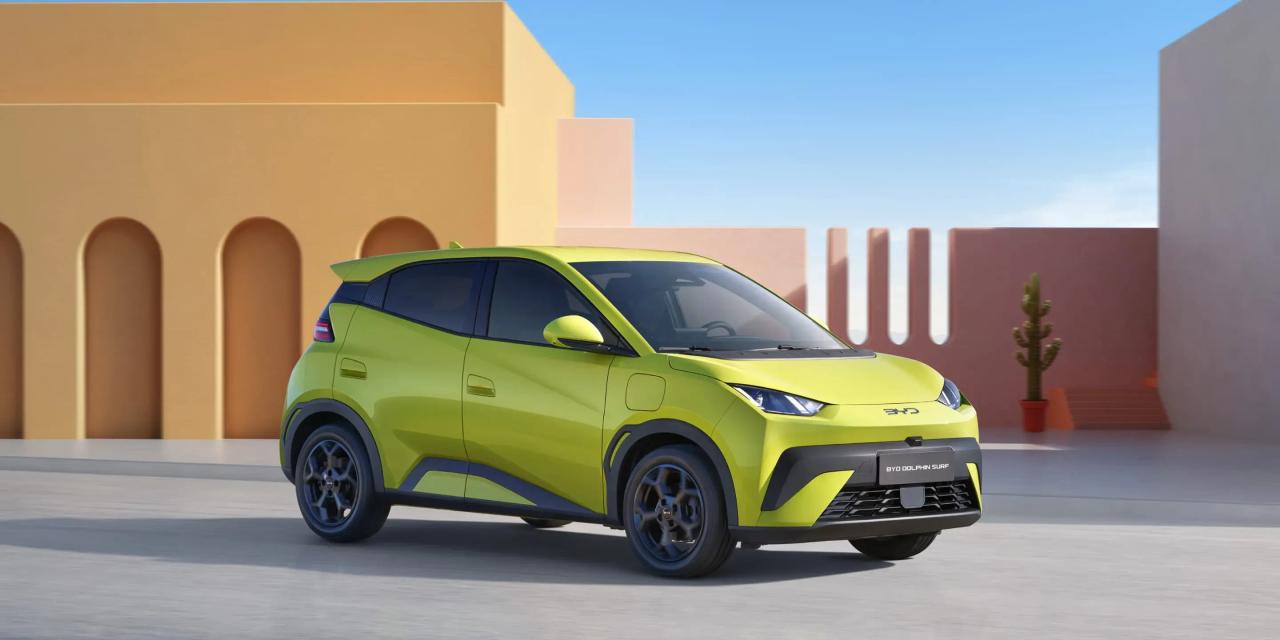
BYD Dolphin Surf (BYD)
BYD began electric vehicle production in 2003 and quickly became one of the key players in the global electric vehicle market due to its expertise in battery technology. The BYD Dolphin, introduced in 2021, was among the brand’s first globally targeted electric vehicles in the compact segment.
The Dolphin Surf was launched in Europe in 2025 as a version of this model with extended range, enhanced battery capacity, and improved hardware features. The vehicle is built on BYD’s fully electric e-Platform 3.0, which stands out for its high battery safety, advanced thermal management, weight optimization, and increased body rigidity.
The Dolphin Surf is offered globally as the long-range compact hatchback representative of the Dolphin family.
The vehicle’s exterior design was developed in line with BYD’s “Ocean Aesthetics” design philosophy. Fluid lines, an aerodynamic roof slope, and wave-inspired side body contours define its overall appearance. The front features a closed grille and slim LED headlight clusters, while the rear includes a horizontal light bar and roof spoilers.
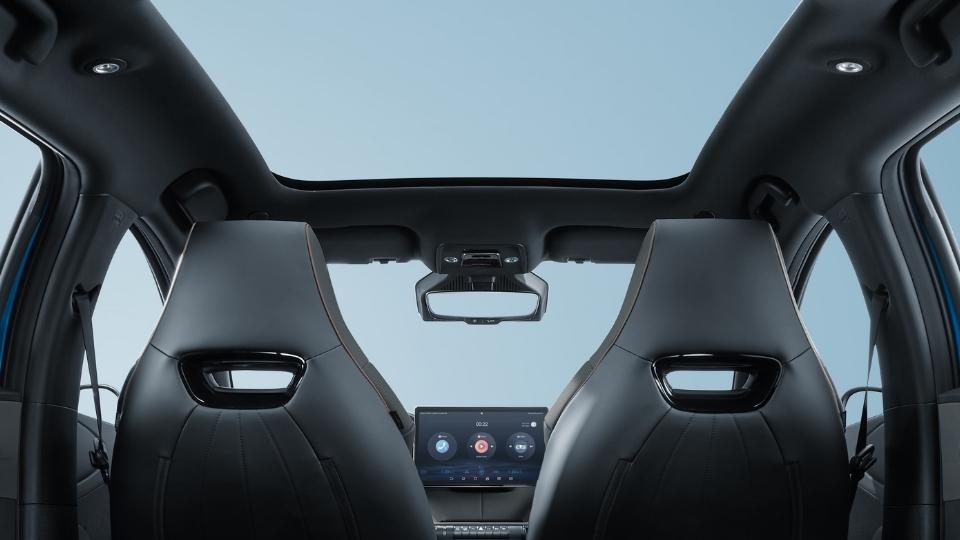
Inside, a digital-centric layout is employed. Available features include a 12.8-inch rotatable multimedia display, a digital instrument cluster, a panoramic glass roof, a wireless charging unit, and a 360° camera system. Interior materials adhere to BYD’s sustainability policy, incorporating recycled plastics and eco-friendly textile surfaces.
The model utilizes BYD’s proprietary blade battery technology. This lithium iron phosphate (LFP) battery structure is known for its high thermal stability and strong performance in safety tests. Additionally, the integrated design of the battery modules with the chassis enhances overall body rigidity.
Battery options: 60 kWh and 70 kWh
WLTP range: Approximately 507 km for the top variant
Motor power: 150 kW (approximately 204 hp)
Torque: 310 Nm
0–100 km/h: Under 7 seconds
Drivetrain: Front-wheel drive
Electrical architecture: 400 V system
DC fast charging: Up to 88 kW, 30–80% charge in approximately 22 minutes
AC charging: 11 kW, full charge in approximately 6 hours
V2L capability: Ability to supply power to external devices

History and Development
Design and Technology
Technical Specifications