

This article was automatically translated from the original Turkish version.
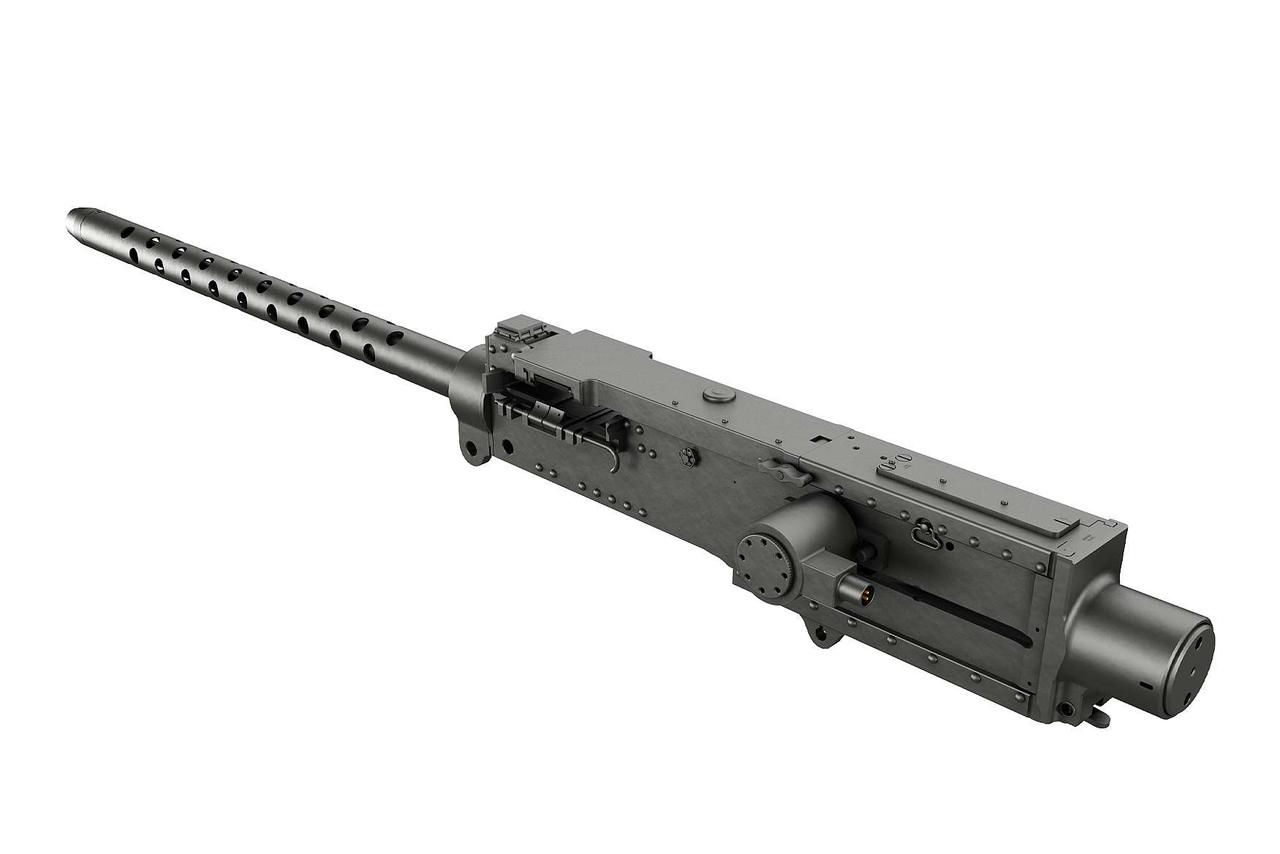
CANiK M3, is a heavy machine gun that fires .50 caliber ammunition. The model has been developed for use in diverse operational environments including mechanized units and aerial platforms.
CANiK M3 (YouTube)
The weapon fires 12.7 mm (.50 caliber) ammunition and is compatible with 12.7x99 mm NATO standard rounds. The muzzle velocity varies depending on the type of ammunition used but is approximately 900 meters per second.
In terms of weight, the weapon’s body weighs 33.4 kilograms, a measurement taken without the flexible ammunition chute, ammunition box, or tripod. The total length of the weapon is specified as 1,460 millimeters; this value may vary depending on the muzzle device used. The firing mechanism is designed for fully automatic operation. The rate of fire ranges between 1,100 and 1,200 rounds per minute.
The effective range of the weapon is measured at approximately 1,830 meters, with a maximum range reaching up to 6,800 meters. The barrel has a service life of at least 15,000 rounds. The recoil force is approximately 18.5 kN, with potential variation within a range of ±1.5 kN.
CANiK M3 (YouTube)
The CANiK M3 has been specifically designed for use on highly mobile land and air platforms. The model has been developed to be compatible with integration into crewed helicopters as a door gun, as well as light attack aircraft and unmanned aerial and ground vehicles.
CANiK M3 is designed for use under diverse operational conditions and on multiple platforms. The model supports various mounting and configuration options to ensure adaptability to a range of threat scenarios.
The weapon belongs to the heavy machine gun class due to its high rate of fire, use of .50 caliber ammunition, and robust construction, and offers a configuration suitable for evaluation by both national and international security forces.

No Discussion Added Yet
Start discussion for "CANiK M3 Heavy Machine Gun" article
Technical Specifications and Design
Performance and Durability
Operational Capacity
Application Areas