


This article was automatically translated from the original Turkish version.
+2 More
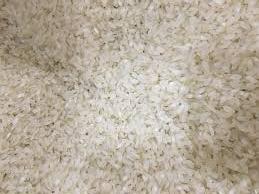
Çatalca Ormanlı Pirinci
Registration Number | 1639 | ||||||||
|---|---|---|---|---|---|---|---|---|---|
Registration Date | 17.09.2024 | ||||||||
Application Number | C2022/000181 | ||||||||
Application Date | 09.06.2022 | ||||||||
Name of the Geographical Indication | Çatalca Ormanlı Pirinci | ||||||||
Product / Product Group(s) | Rice / Other | ||||||||
Type of Geographical Indication | Place of Origin | ||||||||
Applicant/Registrant(s) | Istanbul Provincial Directorate of Agriculture and Forestry | ||||||||
Address of the Registrant | Bagdat Caddesi No: 333 Kadıköy İSTANBUL | ||||||||
Geographical Boundary | Areas 10 km in length and 7 m in elevation starting from the village of Ormanlı in the Çatalca district of Istanbul province and including the villages of Karacaköy and Çiftlikköy | ||||||||
Çatalca Ormanlı Pirinci is a geographical indication rice variety produced from Japonica-type paddy rice in a 10-kilometer area encompassing the villages of Ormanlı, Karacaköy, and Çiftlikköy in the Çatalca district of Istanbul. The region’s proximity to the Black Sea allows iodine-rich sea breezes to reach the fields, while clean irrigation water sourced from the Istıranca Mountains contributes to the rice’s distinctive aromatic qualities. Classified as Type C under the Turkish Food Code, Çatalca Ormanlı Pirinci has grain lengths of 6–6.7 mm and a length-to-width ratio of 2–3. Its production process is shaped by the natural soil structure and regional climate. This rice is cultivated using traditional methods in areas free from environmental pollution and is carefully processed and packaged after harvest before reaching consumers.

Çatalca Ormanlı Pirinci (Turkish Patent)
Çatalca Ormanlı Pirinci was officially registered as a geographical indication in Türkiye on 17 September 2024 under registration number 1639. The application number is C2022/000181, with an application date of 9 June 2022. The geographical indication type is designated as a name of origin. The holder of the geographical indication is the Istanbul Provincial Directorate of Agriculture and Forestry. The designated designation and origin emblem must appear on the product or its packaging; if this is not feasible, it must be visibly displayed at the production facility.
Çatalca Ormanlı Pirinci is produced in a roughly 10-kilometer-long, 7-meter-elevation area within the Çatalca district of Istanbul, starting from the village of Ormanlı and extending to Karacaköy and Çiftlikköy. The region lies 2.5–3 kilometers from the Black Sea coast and includes the Istıranca Mountains, which extend northward toward the Black Sea coastline. Elevation decreases toward the south, creating a wind corridor. The Ormanlı Plain is situated at the transition zone between the Black Sea climate and the continental and Mediterranean climates.

Çatalca Ormanlı Pirinci (Istanbul Provincial Directorate of Agriculture and Forestry)
Çatalca Ormanlı Pirinci is a rice variety derived from Japonica-type paddy rice grown in a 10-kilometer, 7-meter-elevation area covering the villages of Ormanlı, Karacaköy, and Çiftlikköy in the Çatalca district of Istanbul. According to the Turkish Food Code Rice Notice, it is classified as Type C, with grain lengths of 6–6.7 mm and a length-to-width ratio of 2–3. The product’s characteristics are influenced by the location of the production area, climatic conditions, irrigation water properties, and soil structure.
The production area lies 2.5–3 kilometers from the Black Sea, and due to the region’s wind corridor, iodine-laden sea air reaches the paddy fields, resulting in an iodine content of 35–40 ppm and a distinctive aroma. Geographically, the Istıranca Mountains lie to the north of Çatalca, with elevation decreasing toward the south. The Ormanlı Plain, located at the transition point between the Black Sea climate and the continental and Mediterranean climates, experiences a moderate climate favorable for rice cultivation.
Irrigation is supplied by the Istıranca River, fed by meltwater from snowpacks on the Istıranca Mountains and free from surrounding pollutants. The agricultural lands are distant from environmental contamination, and no external pollution has been detected in the irrigation water. Periodically, floodwaters from the Balkans reach the region, depositing a layer of fine sediment known as “mil” onto the paddy fields. This natural layer enhances soil fertility, allowing fertilizer use to be reduced by approximately one-quarter compared to other regions.
In terms of soil structure, the lands in the Ormanlı Plain are flat or nearly flat, with a soil depth of 20–30 cm and a drainage depth of 50–60 cm. The soil is sandy-clayey, has low permeability, is rich in nutrients, and has a pH ranging from 5.5 to 7.5. These characteristics form the fundamental elements determining the rice’s structure.
Seeds used in Çatalca Ormanlı Pirinci production are sourced from the Thrace Agricultural Research Institute or private sector companies. Soil preparation is carried out in May by plowing to a depth of 20–40 cm, followed by removal of weeds and breaking the soil into smaller particles using a harrow. The soil surface is leveled using a laser-controlled grading machine to create optimal conditions for sowing. Seeds are first pre-germinated by soaking them in water for one day in sacks. The draining process is performed directly on the soil, and sowing occurs once root formation is complete and light germination begins. Sowing is carried out either manually or by tractor using a broadcasting method. The timing of sowing is determined based on weather conditions, irrigation water temperature, and the growth duration of the paddy variety. The ideal temperature range for germination and seedling development is 18–30 °C. In this region, sowing is conducted in May using approximately 20 kg of seed per hectare.
During irrigation, water depth is initially raised to 20–30 cm, then reduced to 3–5 cm until the first weeding, and subsequently maintained at 5–10 cm. Irrigation is suspended when necessary to prevent surface cracking. The minimum water temperature must be 12 °C, and the ideal irrigation water temperature ranges between 25–35 °C. Irrigation is not applied until the first cracks appear.
In fertilization, the use of fertilizer is limited due to the presence of the natural mil layer in the soil. Nitrogen and phosphorus fertilizers are preferred, with applications of 10 kg nitrogen, 5–6 kg phosphorus, and 2–5 kg potassium per hectare. Additionally, 5–10 kg of zinc is applied every three years per hectare. For weed control, draining the field one week after sowing strengthens root development and reduces weed growth. Chemical methods are used when necessary, with herbicide applications carried out before sowing and after emergence. Particularly for weeds such as barnyard grass, herbicide treatment is completed when the weeds reach the 2–4 leaf stage.
Harvest time coincides with when at least 90% of the panicles have turned golden yellow and the grains at the base contain 25–28% moisture. Harvesting is performed in September using combine harvesters. The harvested paddy is spread on concrete areas called “sergen” and sun-dried for 3–4 days, or dried in mechanical dryers until moisture content reaches 13–14%. The dried product is transported to processing facilities in sacks or bulk form. The paddy must not suffer mechanical damage during unloading and storage. During storage, moisture content must not exceed 65%, and during processing, it must not exceed 14.5%. Packaging must include information on the harvest year, grain length, class, broken grain ratio, and origin. Only long-grain rice (Type C) as defined in the Turkish Food Code Rice Notice is packaged after processing.
In the final stage, the rice is packaged and marketed in polyethylene or cloth bags of at least 1 kg. The shelf life of the packaged product is determined to be approximately two years from the date of harvest.
Harvested paddy is stored at a maximum moisture content of 65% until processing. During processing, moisture content must not exceed 14.5%. Packaging is performed exclusively for rice classified as Type C under the Turkish Food Code Rice Notice. Çatalca Ormanlı Pirinci is marketed in labeled, sewn-seal polyethylene or cloth bags of at least 1 kg. The packaging must indicate the harvest year, grain length, rice class, broken grain ratio, and origin. The shelf life is approximately two years from harvest.
Inspections of Çatalca Ormanlı Pirinci are conducted under the coordination of the Istanbul Provincial Directorate of Agriculture and Forestry. The inspection team consists of at least three members, including one product expert each from the Istanbul Provincial Directorate of Agriculture and Forestry, Çatalca Municipality, and Çatalca Chamber of Agriculture. These inspections are carried out annually but may also be conducted upon request or in response to complaints.
Inspection procedures include reviewing documents related to the name of origin for Çatalca Ormanlı Pirinci, visually inspecting packaging, auditing packaging companies, reviewing storage conditions, verifying correct use of the geographical indication emblem, and evaluating compliance with product quality standards.
In monitoring the geographical indication and origin emblem, traceability systems are reviewed to ensure the emblem is used in accordance with established rules. During packaging inspections, it is verified whether the product is marketed in labeled, sewn-seal polyethylene or cloth bags of at least 1 kg, whether the packaging material complies with the Turkish Food Code Regulation on Materials and Articles in Contact with Food, and whether labeling information complies with the Turkish Food Code Regulation on Food Labeling and Consumer Information.
During storage condition inspections, it is required that the rice’s moisture content does not exceed the maximum limit of 14.5% specified in the Turkish Food Code Rice Notice, and that storage facilities have adequate ventilation and hygiene conditions to prevent issues associated with high moisture levels.
Inspections of packaging facilities assess whether the company holds valid registration documents under the Turkish Food Code Regulation on Registration and Approval of Food Establishments, complies with general hygiene rules according to the Turkish Food Code Food Hygiene Regulation, uses labeled polyethylene or cloth bags for packaging, and maintains storage environments with a maximum moisture content of 65%.
The inspection authority has the right to seek support or procure services from public institutions, private organizations, or qualified experts working within these entities. The registering authority is responsible for initiating legal proceedings and safeguarding rights when necessary.

Çatalca Ormanlı Pirinci (generated by artificial intelligence.)
Turkish Patent and Trademark Office. "Çatalca Ormanlı Pirinci Coğrafi İşaret Bilgisi." Accessed May 26, 2025. https://ci.turkpatent.gov.tr/cografi-isaretler/detay/6922.
Turkish Patent and Trademark Office. "Çatalca Ormanlı Pirinci Görsel Amblem." Accessed May 26, 2025. https://ci.turkpatent.gov.tr/Pictures/GeographicalSigns/294cc0cd-24eb-401a-b501-d9f637871f7d.png.
Turkish Patent and Trademark Office. “Çatalca Ormanlı Pirinci Tescil Belgesi (PDF).” Accessed May 26, 2025. https://ci.turkpatent.gov.tr/Files/GeographicalSigns/7a68cbab-e4e7-4fff-916b-f2ecbee6018e.pdf.
İstanbul Tarım ve Orman İl Müdürlüğü. "Çeltik Hasadı." Accessed May 26, 2025. https://istanbul.tarimorman.gov.tr/FotografGalerisi/20241025%20%C3%87eltik%20Hasad%C4%B1/7.jpg?RenditionID=7.
İstanbul Tarım ve Orman İl Müdürlüğü. “Çatalca Ormanlı Pirinci Hasat Töreni Gerçekleştirildi.” Accessed May 26, 2025. https://istanbul.tarimorman.gov.tr/Haber/2791/Catalca-Ormanli-Pirinci-Hasat-Toreni-Gerceklestirildi.

Çatalca Ormanlı Pirinci
Registration Number | 1639 | ||||||||
|---|---|---|---|---|---|---|---|---|---|
Registration Date | 17.09.2024 | ||||||||
Application Number | C2022/000181 | ||||||||
Application Date | 09.06.2022 | ||||||||
Name of the Geographical Indication | Çatalca Ormanlı Pirinci | ||||||||
Product / Product Group(s) | Rice / Other | ||||||||
Type of Geographical Indication | Place of Origin | ||||||||
Applicant/Registrant(s) | Istanbul Provincial Directorate of Agriculture and Forestry | ||||||||
Address of the Registrant | Bagdat Caddesi No: 333 Kadıköy İSTANBUL | ||||||||
Geographical Boundary | Areas 10 km in length and 7 m in elevation starting from the village of Ormanlı in the Çatalca district of Istanbul province and including the villages of Karacaköy and Çiftlikköy | ||||||||
No Discussion Added Yet
Start discussion for "Çatalca Ormanlı Pirinci" article
Registration Details
Geographical Boundary and Production Area
Distinctive Characteristics
Production Method
Packaging and Shelf Life
Inspection and Control