


This article was automatically translated from the original Turkish version.
Aircraft aircraft carriers are one of the most critical elements of modern sea wars. These ships serve as mobile air bases and, through the aircraft they carry, can control a vast operational area. However, one of the most essential components of aircraft carriers is the catapult system that enables aircraft to launch from the flight deck.
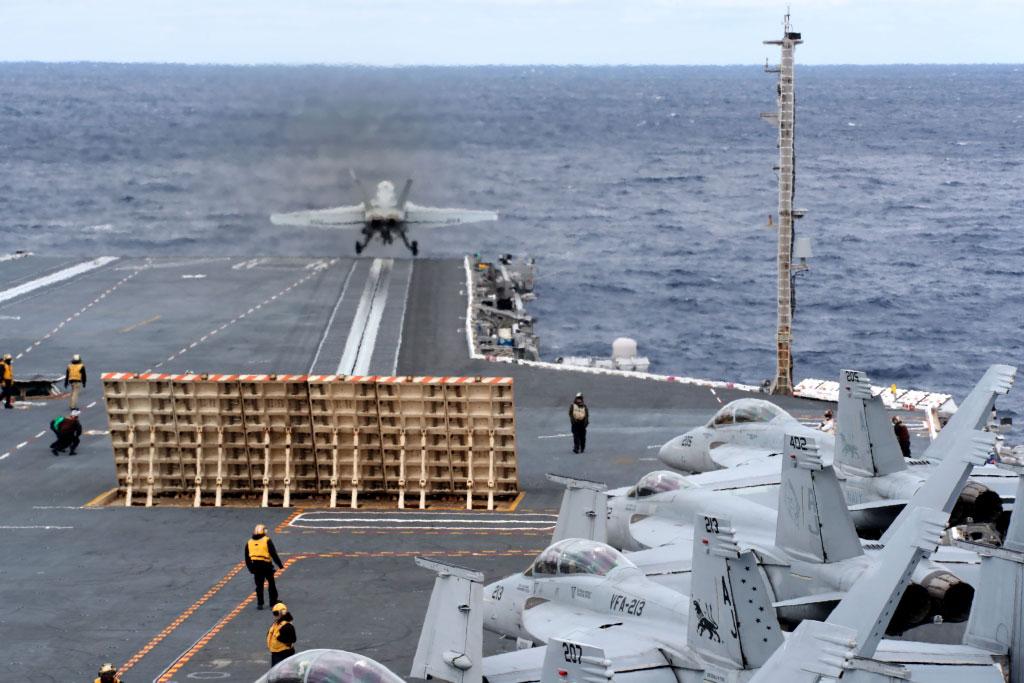
The flight decks of aircraft carriers are significantly shorter than conventional land-based airfields. To enable especially heavy war aircraft to achieve takeoff within this limited distance, additional propulsion power is required. This is where catapult systems come into play. Catapults are mechanical or electromagnetic systems that accelerate aircraft to a specific speed to facilitate launch.
Catapults typically operate using steam or electromagnetic power. Steam catapults function on the principle of high-pressure steam driving pistons, while the more modern electromagnetic aircraft launch systems (EMALS – Electromagnetic Aircraft Launch System) use magnetic forces to propel aircraft.
The origins of catapult systems extend back to ancient times. However, catapults as used on modern aircraft carriers emerged in the early 20th century. The first steam catapults were introduced during World War II and underwent rapid development in the postwar period. Particularly during the Cold War era, as the strategic importance of aircraft carriers grew, catapult technology became increasingly effective.
In the 21st century, electromagnetic catapults began replacing steam-based systems. The United States Navy’s new-generation aircraft carrier class, the Gerald R. Ford class, employs EMALS technology to provide a more efficient and reliable launch system.
1. Higher Efficiency: Electromagnetic catapults consume less energy than steam systems and offer more precise control.
2. Compatibility with Various Aircraft Types: EMALS can launch aircraft of differing weights and sizes with greater flexibility.
3. Easier Maintenance: Mechanical failures common in steam systems occur less frequently in electromagnetic systems.
4. Reduced Physical Stress: EMALS imposes less stress on aircraft structures, extending their service life.
Aircraft carrier catapults are one of the foundational elements of naval aviation. Over time, catapult systems have evolved from steam-based technologies to electromagnetic systems, playing a critical role in modern warfare strategies. In particular, EMALS and other next-generation systems will be decisive in future naval conflicts by significantly enhancing the operational capacity of aircraft carriers.
Friedman, N. U.S. Aircraft Carriers: An Illustrated Design History. Naval Institute Press, 1983.
Jane's Information Group. Jane's Fighting Ships. Jane's by IHS Markit, 2018.
Polmar, N. Aircraft Carriers: A History of Carrier Aviation and Its Influence on World Events. Potomac Books, 2006.
U.S. Navy. Electromagnetic Aircraft Launch System (EMALS). Official U.S.A Navy Documents. 2020.

Primary Function of Catapult Systems
Historical Development
Advantages of Modern Catapult Systems