


This article was automatically translated from the original Turkish version.
+1 More
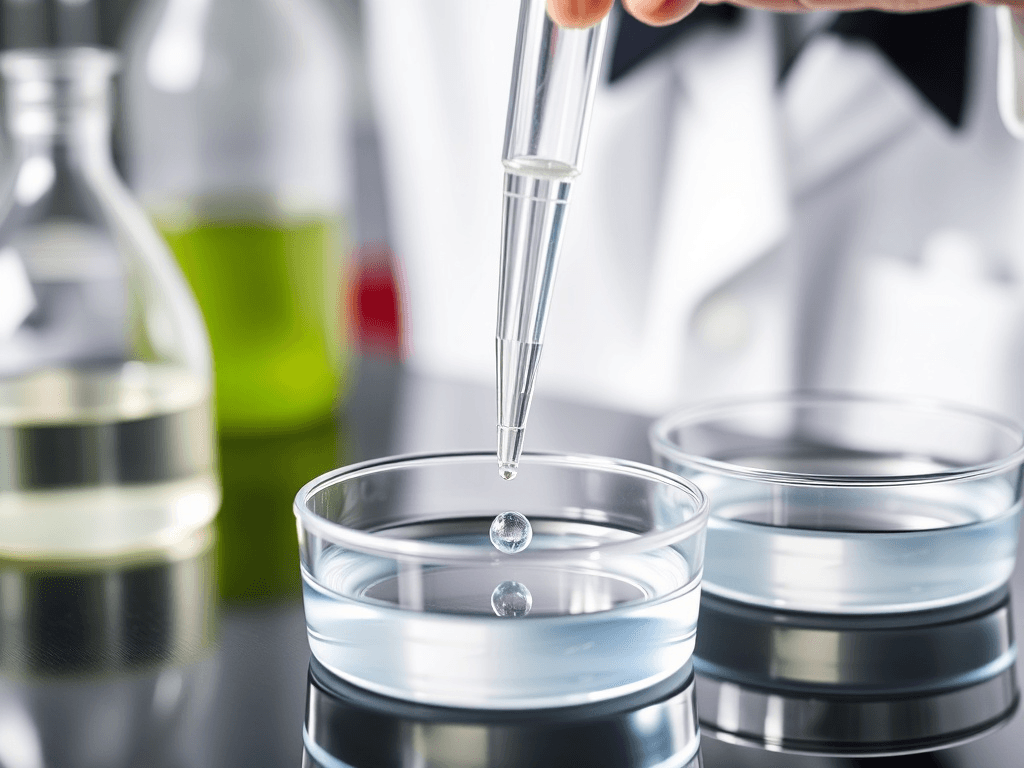
Generated with artificial intelligence
Cell Culture Media
Definition(s) | Liquid or gel formulations that support cell growth in vitro | ||||||||
|---|---|---|---|---|---|---|---|---|---|
Type(s) | Natural serum-containing/serum-free complex) basal synthetic (BSS | ||||||||
Applications | Biopharmaceutical production, stem cell research, toxicology | ||||||||
Cell culture media are specially formulated liquid or gel substances designed to support the survival, proliferation, and function of cells in vitro. These media contain essential nutrients such as amino acids, vitamins, inorganic salts, and glucose, along with buffering agents that regulate pH and osmolality, and often supplementary components such as serum to facilitate cell adhesion and growth.
Cell culture media serve as an artificial environment that mimics in vivo physiological conditions, enabling cells to sustain normal metabolic functions, complete cell division cycles, and express specialized phenotypes outside the organism. The composition and formulation of these media vary according to the species, cell type, and intended application, ranging from basic proliferation to specialized differentiation or recombinant protein production.

Cell Culture Medium (Generated by artificial intelligence)
Natural media are directly derived from biological sources such as plasma, serum, lymph, or tissue extracts. They were among the first media used in tissue culture and are rich in natural growth factors, hormones, and adhesion molecules. However, their composition is typically undefined and varies between batches, limiting reproducibility in controlled experiments. As a result, they have been largely replaced by more standardized formulations.
Artificial or synthetic media are composed of well-defined chemical components and are formulated to provide consistent and reproducible conditions for cell growth. They are categorized into the following subgroups:
RPMI-1640 is a versatile cell culture medium widely used for the cultivation of many mammalian cells, especially hematopoietic cells. Originally developed by the Roswell Park Memorial Institute (RPMI) in Buffalo, New York, it is a modified version of McCoy’s 5A medium. RPMI-1640 was optimized for long-term culture of peripheral blood lymphocytes. Unlike many other mammalian cell culture media, it employs a bicarbonate buffering system and is typically formulated at a pH of 8.
In a 2023 study conducted at the Faculty of Engineering and Natural Sciences, Sabancı University, within the Biological Sciences and Bioengineering program, a comprehensive protocol was developed to differentiate human bone marrow-derived mesenchymal stem cells (BM-MSCs) into brain-like endothelial cells (BLECs). In this study, three different media (Endopan, EGM-2, IMDM) were used during the differentiation process of BM-MSCs, and IMDM was found to be superior in supporting BLEC differentiation. Furthermore, the addition of retinoic acid (RA) reduced the differentiation period from 14 to 9 days. Chemical agents used to mimic hypoxia—CoCl₂ (200 μM) and Na₂SO₃ (4 mM)—significantly increased the expression of brain endothelial cell-specific markers (occludin, CD-31, ZO-1, claudin-5). When fetal bovine serum (FBS) was compared with the synthetic supplement B27, FBS was found to be more effective in supporting BLEC differentiation. Finally, a tube formation assay on Matrigel confirmed that the differentiated cells exhibited functional endothelial properties. This study at Sabancı University provides significant insights into the optimization of stem cell culture media and differentiation protocols, contributing to the development of human-derived fully functional blood-brain barrier models.
Fetal bovine serum (FBS) is commonly added to basal media to enhance cell growth. It provides albumin, hormones, growth factors, lipids, and adhesion molecules. However, the undefined nature of serum and batch-to-batch variability complicate standardization. The use of fetal bovine serum (FBS) has been restricted due to risks of infectious diseases such as bovine spongiform encephalopathy. Additionally, it has been reported that 20 to 50 percent of commercial FBS samples are virus-positive, raising serious ethical concerns. Consequently, there is a critical need to develop culture media that are free of animal-derived components, enhance production efficiency, simplify purification processes, and remain cost-effective. FBS can be used at concentrations up to 20 percent or higher in eukaryotic cell cultures. It enhances the functionality of cell culture media by providing essential nutrients and growth factors that support cell viability and proliferation.
Serum-free cell culture media are formulated to include various growth factors such as hydrolysates, amino acids, vitamins, and inorganic salts. These media aim to minimize the variability and contamination risks associated with undefined components in serum-containing systems. However, some serum-free media still contain animal-derived components such as serum albumin, hormones, carrier proteins, and cell-adhesion aids. Due to their complex structures, these components cannot be fully characterized analytically and may pose potential viral contamination risks. These media are particularly successful for cell lines that do not require surface attachment, but their variability in composition and associated biosecurity risks remain significant limitations.
A study by S. Öztürk and colleagues investigated conditions to optimize cell proliferation and the secretion of specific growth factors and cytokines in serum-free culture media. Conducted by researchers at Istanbul University, this study evaluated the effects of different media to enable the growth of cell lines used in commercial product production and to achieve economically viable production of target proteins. Findings demonstrated that serum-free media can support cell growth, but careful optimization of medium components and culture conditions is critical for maintaining cell function and productivity. The study provides important insights into the effective use of serum-free media in biopharmaceutical production processes.

Media Used in Cell Culture (Generated by artificial intelligence)
The optimal medium for each cell type depends on its nutritional requirements, adhesion properties, growth kinetics, and the biological question under investigation. Some media are tailored for specific functions such as neuronal differentiation, while others support general proliferation.
Key factors influencing medium performance include glucose concentration, glutamine stability, amino acid ratios, pH buffering, osmolality, and redox balance. Careful adjustment of these parameters enhances cell viability, productivity, and functional consistency.
Limiting factors in Escherichia coli fed-batch production of recombinant proteins (Sandén et al., 2002) provides a detailed analysis of the impact of fed-batch strategies on recombinant protein production in E. coli cells. Cultures induced at a high specific growth rate (μ = 0.5 h⁻¹) produced approximately 100 percent more β-galactosidase than those induced at a low rate (μ = 0.1 h⁻¹), with the product reaching up to 30 percent of total cellular protein. Although transcription levels were similar under both conditions, ribosomal RNA (rRNA) levels decreased proportionally with increasing growth rate, indicating that translational capacity is a limiting factor. Additionally, acetate accumulation was observed at high production rates, suggesting either depletion of Krebs cycle intermediates or an amino acid imbalance due to the model protein’s low content of glycine and alanine. The findings reveal that high specific growth rates increase product yield but impose a metabolic burden, whereas low growth rates restrict production due to carbon and energy limitations. Therefore, careful optimization of growth rate in fed-batch systems is a critical parameter for efficient recombinant protein synthesis.

A Group of Turkish Researchers (Generated by artificial intelligence)
A Bacillus sp. L21 strain isolated from by-products of a leather factory in İzmir has been identified as a bacterium with potential for alkaline protease production. Its phenotypic and genotypic characterization has been completed, and efforts have been made to develop a low-cost enzyme production medium for industrial application. In this study, various carbon and nitrogen sources were screened, and the optimal medium components were determined to be soybean meal, maltose, Tween 80, and an initial pH value. Medium optimization was performed using experimental design and response surface methodology (RSM), and statistical analysis revealed that maximum protease activity was achieved under the following conditions: 3.0 g/l soybean meal, 30–40 g/l maltose, 0.35 g/l Tween 80, and initial pH 8.0. This study represents a significant example of biotechnological medium optimization in Türkiye and demonstrates the success of cost-effective medium design for alkaline protease production.
Arora, Meenakshi. “Cell Culture Media: A Review.” *Materials Methods* 3 (2013): 175. Accessed July 23, 2025. https://doi.org/10.13070/mm.en.3.175.
Handlogten, Michael W., Allison Lee-O'Brien, Gargi Roy, Sanjeev Ahuja, et al. “Intracellular Response to Process Optimization and Impact on Productivity and Product Aggregates for a High-Titer CHO Cell Process: Intracellular Response to Process Changes.” *Biotechnology and Bioengineering* 115, no. 1 (September 2017). Accessed July 23, 2025. https://doi.org/10.1002/bit.26460.
Hogiri, Tomoharu, Hiroshi Tamashima, Akitoshi Nishizawa, and Masahiro Okamoto. “Optimization of a pH-Shift Control Strategy for Producing Monoclonal Antibodies in Chinese Hamster Ovary Cell Cultures Using a pH-Dependent Dynamic Model.” *Journal of Bioscience and Bioengineering* 124, no. 1 (2017). Accessed July 23, 2025. https://doi.org/10.1016/j.jbiosc.2017.08.015.
Ihlamur, M., B. Akgül, and E. Ş. Abamor. “Farklı Hücre Hatlarında Besiyeri ve FBS’in Hücre Proliferasyonu Üzerindeki Etkilerinin İncelenmesi.” *Süleyman Demirel Üniversitesi Fen-Edebiyat Fakültesi Fen Dergisi* 17, no. 1 (2022): 55–64. Accessed July 23, 2025. https://doi.org/10.29233/sdufeffd.927126.
McGillicuddy, Nicola, Patrick Gerard Floris, Simone Albrecht, and Jonathan Bones. “Examining the Sources of Variability in Cell Culture Media Used for Biopharmaceutical Production.” *Biotechnology Letters* 40, no. 1 (January 2018). Accessed July 23, 2025. https://doi.org/10.1007/s10529-017-2437-8.
Mutaf, Tuğçe, and Suphi S. Öncel. “Bubble Column and Airlift Bioreactor Systems for Animal Cell Culture Applications.” *Asia-Pacific Journal of Chemical Engineering* 18, no. 11 (2022): e2872. Accessed July 23, 2025. https://doi.org/10.1002/apj.2872.
Sandén, Anna Maria, Ingela Prytz, Ioannis Tubulekas, et al. “Limiting Factors in Escherichia coli Fed-Batch Production of Recombinant Proteins.” Biotechnology and Bioengineering 80, no. 5 (November 22, 2002). Accessed July 23, 2025. https://doi.org/10.1002/bit.10457.
Tari, Canan, Hande Genckal, and Figen Tokatlı. “Optimization of a Growth Medium Using a Statistical Approach for the Production of an Alkaline Protease from a Newly Isolated Bacillus sp. L21.” Process Biochemistry 41, no. 1 (January 2006). Accessed July 23, 2025. https://doi.org/10.1016/j.procbio.2005.08.012.
Tolba, Soliman, and Yomna Soliman Mohammed. *Human Bone Marrow-Mesenchymal Stem Cells Differentiation Into Brain-Like Endothelial Cells.* Master's thesis, Sabancı Üniversitesi, 2023. Accessed July 23, 2025. https://risc01.sabanciuniv.edu/record=b3205746.

Generated with artificial intelligence
Cell Culture Media
Definition(s) | Liquid or gel formulations that support cell growth in vitro | ||||||||
|---|---|---|---|---|---|---|---|---|---|
Type(s) | Natural serum-containing/serum-free complex) basal synthetic (BSS | ||||||||
Applications | Biopharmaceutical production, stem cell research, toxicology | ||||||||
Types of Cell Culture Media
Natural Media
Artificial (Synthetic) Media
Supplementation
Media Containing Serum
Serum-Free and Chemically Defined Media
Medium Optimization and Usage
Selection Criteria
Culture Modes
Optimization Parameters