

+1 More

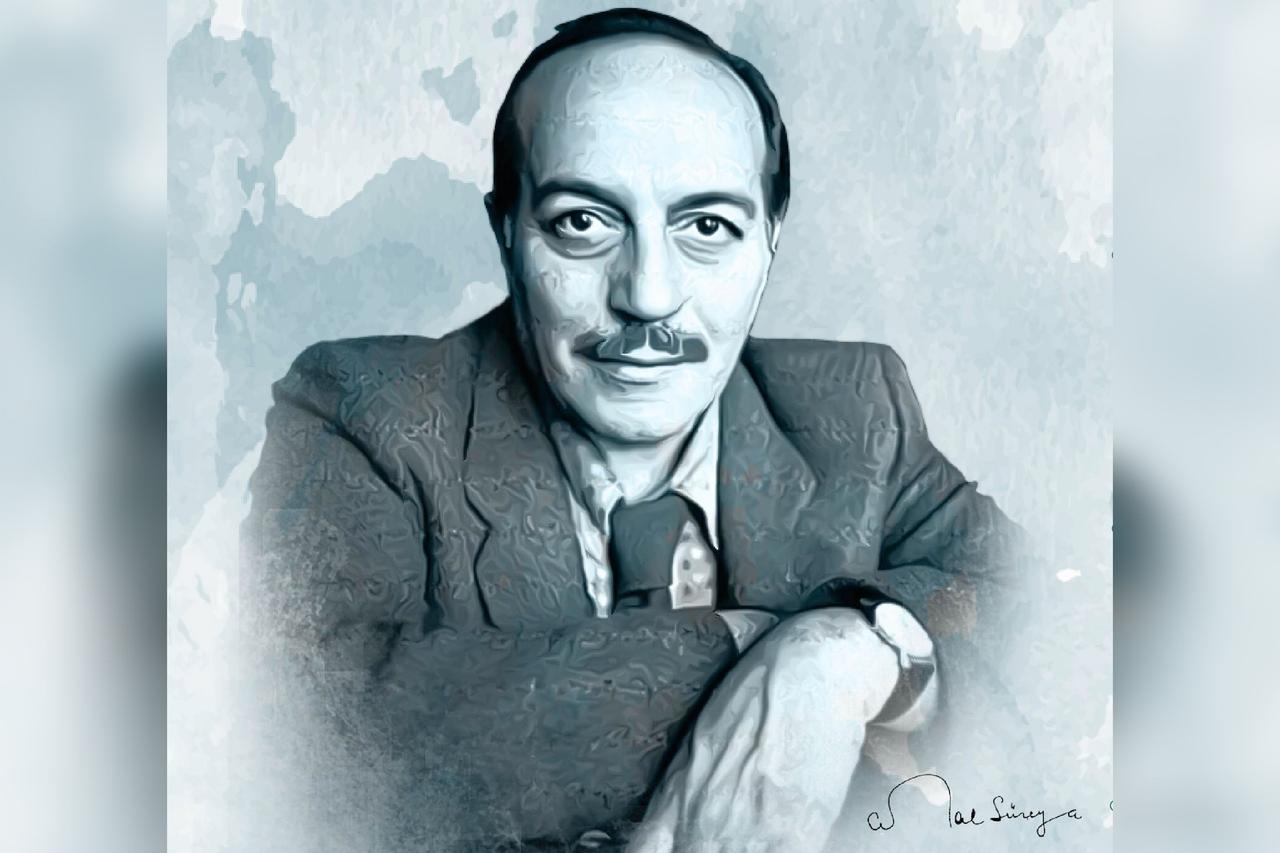
Cemal Süreya (AA)
Cemal Süreya
Birth | 1931 | ||||||||
|---|---|---|---|---|---|---|---|---|---|
Death | 1990 | ||||||||
Education | Ankara University - Faculty of Political Sciences | ||||||||
Profession(s) | Poet Civil Servant Translator Writer | ||||||||
Burial Place | Kulaksız Cemetery, Beyoğlu - Istanbul | ||||||||
Cemal Süreya (1931–1990), one of the leading representatives of the Second New movement in Turkish poetry, is recognized as a poet of eroticism and irony. Süreya, one of the foremost figures of the Second New movement in Turkish poetry, is known in Turkish literature for his modernist style and ironic tone.
Cemal Süreya, born as Cemalettin Seber, was born in Erzincan in 1931. His father was Hüseyin Bey and his mother was Güllü Hanım. In 1938, due to events in Tunceli, his family was relocated to Bilecik. After six years of exile, he experienced a profound loss with the death of his mother, Güllü Hanım.
Süreya spent a significant part of his childhood in Bilecik. To ensure he received a good education, he was sent to Istanbul to live with his aunt. He continued his primary education in Istanbul and later returned to Bilecik for a period. In 1944, he began middle school in Bilecik. Due to problems arising from his father’s remarriage and his relationship with his stepmother, he took the entrance examination for a free boarding school and was accepted into Haydarpaşa High School. Forced to continue his education as a free boarder, Süreya faced numerous challenges during this time, especially loneliness and economic hardship.
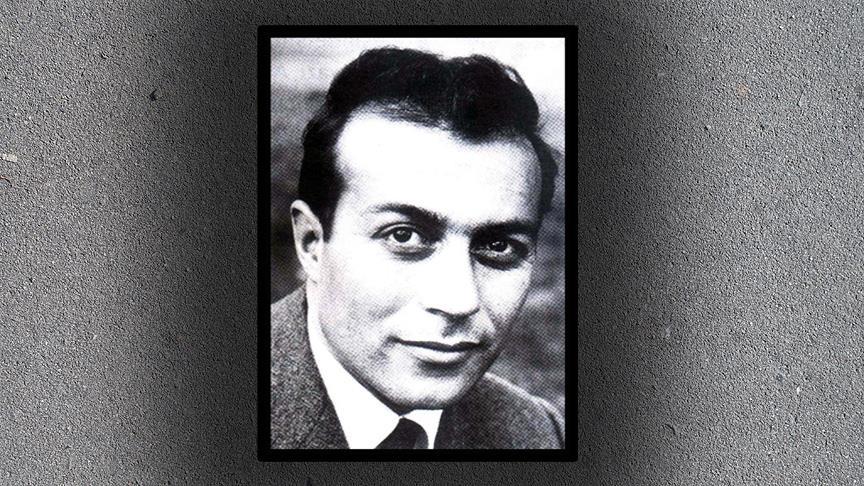
In 1950, Süreya enrolled in the Faculty of Political Sciences at the Department of Finance and Economics and graduated in 1954. In the same year, he began working as an intern at the Eskişehir Tax Office. After completing his internship, he passed the Inspection Board examination and in 1955 started working as an assistant inspector at the Ministry of Finance. His subsequent career involved various postings in different cities and roles.
In 1961, he was sent to Ankara to inspect Economic and Financial Institutions. After one year, he returned to Türkiye and undertook inspection tours in several cities between 1962 and 1964. By 1964, he was assigned to Istanbul.
In 1965, he resigned from civil service to devote more time to literary work. However, due to financial difficulties and the 12 March Memorandum in 1971, he returned to state service. After holding various high-ranking positions until 1982, including Director of the Istanbul Mint and Printing House, Member of the Inspection Board, and Member of the Council, he retired from civil service in 1982.
Besides his civil service, until his death, Cemal Süreya held editorial and editorial board positions at numerous magazines, newspapers, and encyclopedias, and was deeply involved in the publishing world during the 1960s and 1970s.
Cemal Süreya began writing poetry during his high school years, using the aruz meter. His first poem, "Şarkısı-Beyaz," was published in 1953 in the magazine Mülkiye. His first poetry collection, "Üvercinka," was published in 1958. With this work, Süreya gained recognition in Turkish poetry as one of the pioneering poets of the Second New movement. In his poems, he blended eroticism, irony, humor, and social criticism. He particularly attracted attention through his modernist style and innovative use of language.
He prioritized association and the world of imagery over meaning in his poetry. Rejecting conventional narrative structures, he developed a unique poetic language. He frequently employed unusual relationships between words and irony.
“Cemal Süreya became the collector of the Second New movement through the magazine he founded, Papirüs. It is evident that Cemal Süreya created a distinctive language. In forming this language, he drew upon folk expressions. All his poems, whether explicit or implicit, are laden with meaning. He powerfully argued in his strikingly titled writings that poetry cannot be confined to fixed forms and that tradition alone is insufficient. (...) From his earliest to his latest poems, lyricism and eroticism dominate. At times, gender, politics, and the poet’s worldview converge.”
Süreya began publishing the magazine Papirüs in 1960. Through this journal, he not only articulated his literary views but also created a platform to express his ideas. He also contributed articles to magazines such as Oluşum, Türkiye Yazıları, and Saçak, and wrote columns for newspapers including Politika, Aydınlık, and Yeni Ulus.
In his works, Süreya addressed social issues through irony and humor. Beyond poetry, he produced significant works in essay, criticism, and translation. He was also actively involved in literary magazines and encyclopedias. He wrote under numerous pseudonyms, most notably Osman Mazlum.
Cemal Süreya married four times throughout his life and had several romantic relationships. He married his first wife, Seniha Nemli, whom he met during middle school; their union produced a daughter named Ayçe. However, their relationship deteriorated over time, and after prolonged separations and legal proceedings, they divorced. During this period, he also had a brief relationship with a woman he called "Üvercinka." In 1961, he became engaged to Suna Lokman, but the engagement did not lead to marriage due to his move to Paris. In 1964, he began a relationship with Tomris Uyar, which ended in 1966. In the same year, he met Zühal Tekkanat, married her in 1967, and had a son named Memo Emrah. However, the couple gradually developed disagreements, and in 1975, Süreya separated from Tekkanat and married Güngör Demiray the same year. However this marriage only lasted ten months and ended shortly thereafter. Although he became engaged to Tekkanat again in 1976, the relationship ended completely in 1977. In 1980, he met Birsen Sağnak, whom he addressed as "Bayan Nihayet," and she became his final wife; Süreya spent the remainder of his life in this marriage.
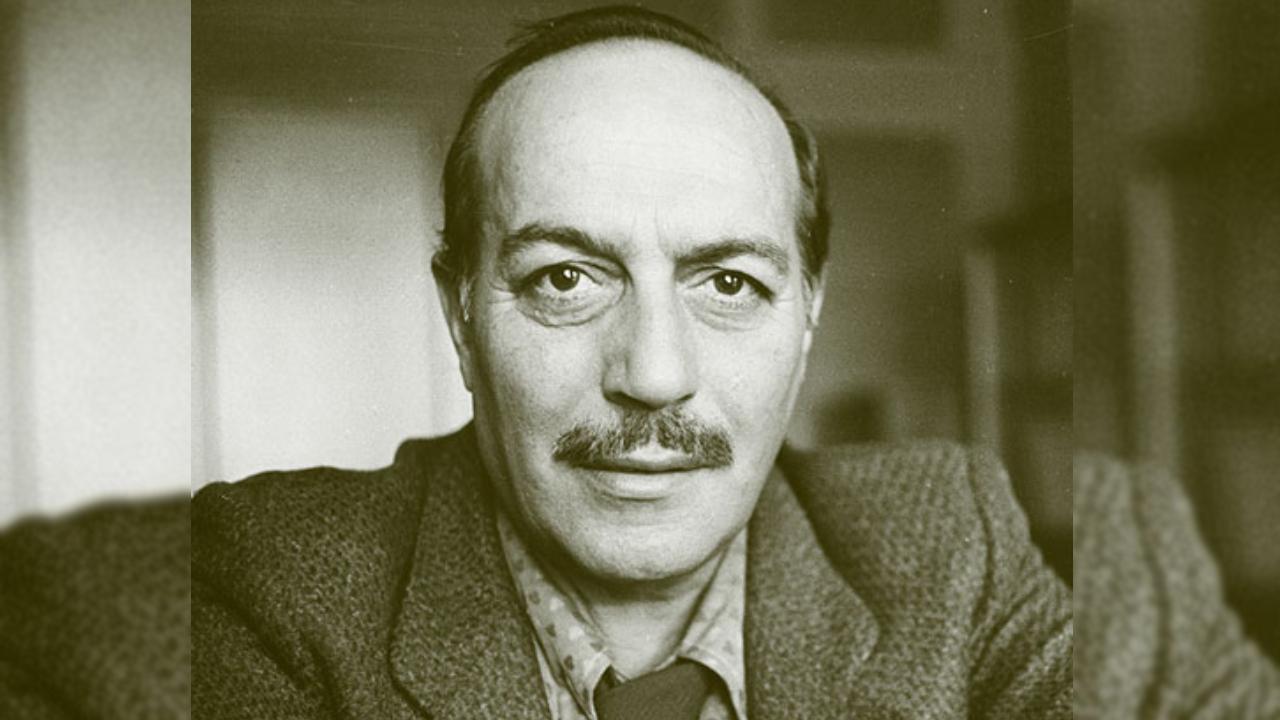
Cemal Süreya spent his final years in economic hardship and suffered from various health problems. In 1982, he experienced a spinal spasm. The poet suffered a heart attack on 6 January 1990 and died in Istanbul on 9 January 1990 as a result of a coma.
His funeral was held on 11 January 1990 and he was buried at the Kulaksız Cemetery in Beyoğlu.
Accessed November 26, 2025.
Accessed November 26, 2025.
Anadolu Ajansı. "Sevginin Kalemi: Cemal Süreya." Accessed March 17, 2025.
Anadolu Ajansı. "İkinci Yeni Şiirinin Öncüsü Cemal Süreya." Accessed March 17, 2025.
Anadolu Ajansı. "Şapkasını Çiçekle Dolduran Şair: Cemal Süreya." Accessed March 17, 2025.
Biyografya. "Cemal Süreya." Accessed March 17, 2025.
Sabah. "Cemal Süreya Kimdir? Cemal Süreya Şiirleri, Sözleri, Eserleri, Hayatı ve Edebi Kişiliği." Accessed March 17, 2025.
Turk Edebiyatı. Cemal Süreya. https://www.turkedebiyati.org/cemal-sureya/ Accessed March 18, 2025.

Cemal Süreya (AA)
Cemal Süreya
Birth | 1931 | ||||||||
|---|---|---|---|---|---|---|---|---|---|
Death | 1990 | ||||||||
Education | Ankara University - Faculty of Political Sciences | ||||||||
Profession(s) | Poet Civil Servant Translator Writer | ||||||||
Burial Place | Kulaksız Cemetery, Beyoğlu - Istanbul | ||||||||
Childhood and Early Years
Educational and Professional Career
Literary Life
Personal Life and Marriages
Final Years and Death
Works and Awards
Poetry Collections:
Prose Books:
Anthologies:
Translated Works:
Awards: