This article was automatically translated from the original Turkish version.
Registration Number | 1291 | ||||||||
|---|---|---|---|---|---|---|---|---|---|
Registration Date | 19.12.2022 | ||||||||
Application Number | 19.12.2022 | ||||||||
Application Date | 16.07.2021 | ||||||||
Name of the Geographical Indication | Ceyhan Olive Oil | ||||||||
Product / Product Group(s) | Olive Oil / Butter Including Solid and Liquid Fats | ||||||||
Type of Geographical Indication | Trademark | ||||||||
Applicant/Registrant(s) | Ceyhan Municipality | ||||||||
Address of the Registrant | Konakoğlu Neighborhood, Dr. Mahir Alp Boydak Boulevard, Ceyhan ADANA | ||||||||
Geographical Boundary | Ceyhan District Adana Province | ||||||||
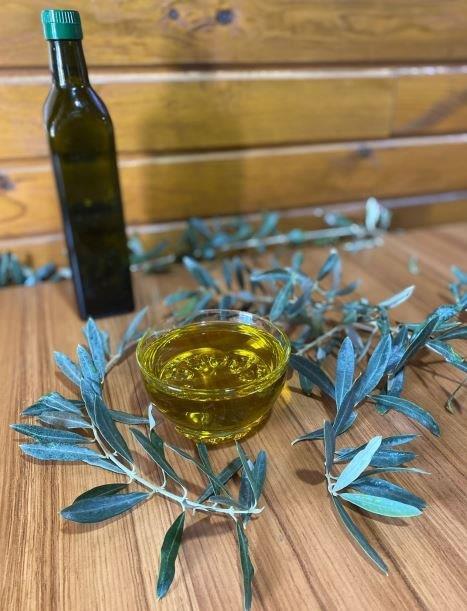
Ceyhan olive oil is a natural extra virgin olive oil obtained by cold pressing olives grown in the Ceyhan district of Adana province at temperatures below 27°C. Harvesting typically takes place in October and November, when the olives reach their highest oil content. Only olive varieties native to the region, known for their high oil yield, are used in production. Its sensory characteristics include a fruity aroma, distinct bitterness, and a peppery sensation in the throat.
Ceyhan olive oil is produced from olives harvested during October and November, when the fruit has reached sufficient maturity. This ensures a product with high oil content and distinctive sensory qualities. Key sensory attributes include a pronounced fruity taste, perceptible bitterness, and a peppery finish. These characteristics are achieved through precise timing of the harvest and optimal pressing and processing conditions. Chemically, the free acidity level, measured as oleic acid, does not exceed 0.8%, classifying the product as “extra virgin olive oil.”
Production is carried out through a careful combination of traditional and modern methods, comprising the following stages:
The production of Ceyhan olive oil is restricted exclusively to olives cultivated within the boundaries of the Ceyhan district of Adana province and processed in facilities located in the same area. The product has a long-standing reputation tied to this region, reinforced by its production techniques and specific olive varieties.
The designation “Ceyhan Olive Oil” and its official emblem must appear on the product packaging. If not displayed on the packaging, these markings must be visibly exhibited at the production facility. Additionally, the registered logo may be used optionally.
Monitoring activities are conducted by a minimum three-member inspection committee coordinated by the Ceyhan Municipality, comprising representatives from the Ceyhan District Directorate of Agriculture and Forestry and the S. S. Ceyhan Craftsmen and Artisans Credit and Guarantee Cooperative. This committee performs at least one inspection per year. Additional inspections may be carried out in response to complaints or as deemed necessary. Reports resulting from inspections are submitted to the Turkish Patent and Trademark Office. Product samples may be subjected to laboratory analysis when required.
Turk Patent and Trademark Office. "Ceyhan Zeytinyağı—Coğrafi İşaret Detay Sayfası." Accessed August 16, 2025. https://ci.turkpatent.gov.tr/cografi-isaretler/detay/4667.
Türk Patent ve Marka Kurumu. "Ceyhan Zeytinyağı—Coğrafi İşaret Sicil Belgesi (PDF)." Accessed August 16, 2025. https://ci.turkpatent.gov.tr/Files/GeographicalSigns/54bf3bea-d1bc-4377-bc77-c66be2b9eda2.pdf.

Registration Number | 1291 | ||||||||
|---|---|---|---|---|---|---|---|---|---|
Registration Date | 19.12.2022 | ||||||||
Application Number | 19.12.2022 | ||||||||
Application Date | 16.07.2021 | ||||||||
Name of the Geographical Indication | Ceyhan Olive Oil | ||||||||
Product / Product Group(s) | Olive Oil / Butter Including Solid and Liquid Fats | ||||||||
Type of Geographical Indication | Trademark | ||||||||
Applicant/Registrant(s) | Ceyhan Municipality | ||||||||
Address of the Registrant | Konakoğlu Neighborhood, Dr. Mahir Alp Boydak Boulevard, Ceyhan ADANA | ||||||||
Geographical Boundary | Ceyhan District Adana Province | ||||||||
Distinctive Features
Production Process
Geographical Boundary and Production Link
Usage and Labeling
Monitoring Mechanism