


This article was automatically translated from the original Turkish version.
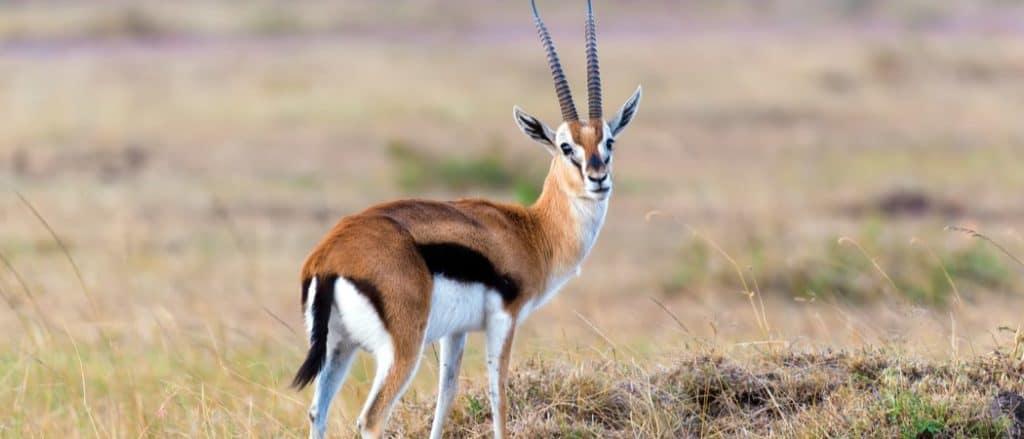
Ceylan
Class | Mammals | ||||||||
|---|---|---|---|---|---|---|---|---|---|
Team(s) | Artiodactyla | ||||||||
Family | Bovidae | ||||||||
Ceylans are elegant, slender-bodied, fast herbivorous mammals belonging to the genera Gazella and Antilope. They are a diverse group of animals primarily found in Africa and Asia, distinguished by their long necks, slender legs, and refined body structure. With their delicate legs, long necks, graceful body forms, and alert gaze, ceylans possess a highly aesthetic appearance in the wild.
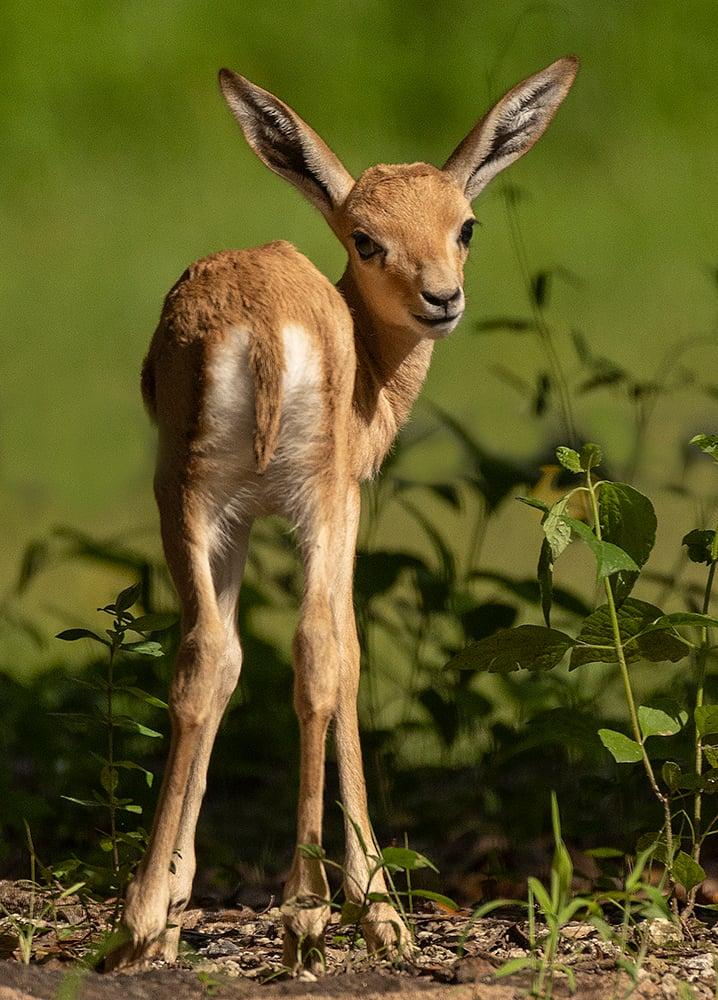
Ceylans occur in many different species across world. The most well-known species include:
Ceylans generally prefer hot climates and expansive open areas. They are most commonly found along forest edges, in savannas, deserts, and semi-desert regions. Some species also inhabit mountainous areas.
In Türkiye, the Persian Gazelle (Gazella subgutturosa) is the most commonly observed species. This species is distributed across Central Asia and Central East, and in Türkiye it survives in protected areas in the southeastern region, particularly in the provinces of Mardin, Şanlıurfa, Batman, Diyarbakır, and Siirt.
In Türkiye, ceylans primarily inhabit open areas and semi-desert such as regions. These areas are typically remote from irrigated lands, dry, barren, and semi-arid. Ceylans are especially found in the drier regions along the Tigris River and the Euphrates River. Additionally, ceylan populations are also present in mountainous areas such as Bolu and Ankara.
The most distinctive features of ceylans are their elegant body structure. They are recognized by their slender, elongated legs and short, flat backs. In most species, horns are present only in males. The horns are typically curved and vary in shape depending on the species. Ceylans generally measure 1 to 1.5 meters in length and weigh between 20 and 50 kilograms, depending on the species.
Their coats are usually a mixture of yellowish-brown, white, and brown. In some species, the back may be darker brown or black, while the belly is typically white. The area around their eyes is encircled by a white ring, giving them a more alert and sharp-eyed appearance.
In the wild, ceylans typically live between 10 and 12 years, although this duration may be shortened under dangerous conditions or due to hunting. In zoos, under controlled conditions, some individuals can live up to 20 years.
Ceylans are very fast runners. Many species can reach speeds of 80 to 100 kilometers per hour. This speed provides a significant advantage in escaping natural predators such as lion, leopards, and cheetah. When running, they can cover long distances with bounding leaps, making them highly effective at rapid escape.
Ceylans are social animals and live in herds. Herds usually consist of a dominant female, while males often remain on the periphery. Females protect their young within the herd. Ceylans communicate using high-pitched vocalizations and body language. During moments of danger, they quickly to escape and flee with the herd, movement together.
Ceylans are entirely herbivorous. They feed on grasses, herbs, leaves, and young shoots of certain trees. Species living in deserts and semi-deserts are highly resistant to prolonged dehydration, as they obtain the necessary moisture from their food rather than drinking water frequently.
The breeding season of ceylans varies depending on their geographic location, but generally begins in spring and write. Females give birth to a single offspring, with a gestation period of approximately 6 to 7 month. Newborn ceylans can stand within a few hour after birth and join the herd. The mother provides all care for the young, showing great care and actively protecting them from threats.
Ceylans in Türkiye are classified as threatened species. In the past, their numbers declined rapidly due to overhunting and habitat loss. However, in recent years, increased efforts have been made to protect certain ceylan species. In Türkiye, various natural habitats and national parks have been established to safeguard ceylan habitats. Particularly in areas such as Düzlerçamı and Süleymaniye Mountains, protected zones have been designated to support ceylan populations. Additionally, wildlife monitoring programs and local conservation projects have been implemented to ensure the observation and protection of these animals.
In the past, ceylans in Türkiye faced severe threats due to excessive hunting. Today, these species remain under threat, particularly from law hunting. Expansion of agricultural land and loss of grazing areas have reduced the available nutrition and breeding grounds for ceylans.
To address these issues, measures such as wildlife protection laws and av bans have been implemented. Despite the national hunting ban in Türkiye, ceylan hunting still occurs in some regions, posing a significant threat to their conservation.
Many projects in Türkiye aim to protect ceylans. Led primarily by the Directorate General of Nature Conservation and National Parks, these initiatives seek to restore ceylan habitats and increase population numbers. Within national parks and natural habitats, various monitoring programs are conducted to safeguard ceylans.
Ceylan habitats are being improved through environment-friendly agricultural practices and sustainable water management. Additionally, collaboration with local communities helps combat poaching and improve living conditions for ceylans.
A-Z Animals. "Gazelle." A-Z Animals. Accessed March 19, 2025.
IUCN Red List. "Gazella gazella." The IUCN Red List of Threatened Species. Accessed March 19, 2025. https://www.iucnredlist.org/species/8982/172360006
Miami, Zoo. "Endangered Gazelle Makes Exhibit Debut." Zoo Miami. Accessed March 19, 2025. https://www.zoomiami.org/media-news/posts/endangered-gazelle-makes-exhibit-debut

Ceylan
Class | Mammals | ||||||||
|---|---|---|---|---|---|---|---|---|---|
Team(s) | Artiodactyla | ||||||||
Family | Bovidae | ||||||||
Species and Distribution
Ceylan Species in Türkiye
Habitat and Distribution
Physical Characteristics
Lifespan and Behavior
Diet
Reproduction
Conservation Status
Hunting and Human Activities
Wildlife Conservation Efforts