


This article was automatically translated from the original Turkish version.
+2 More
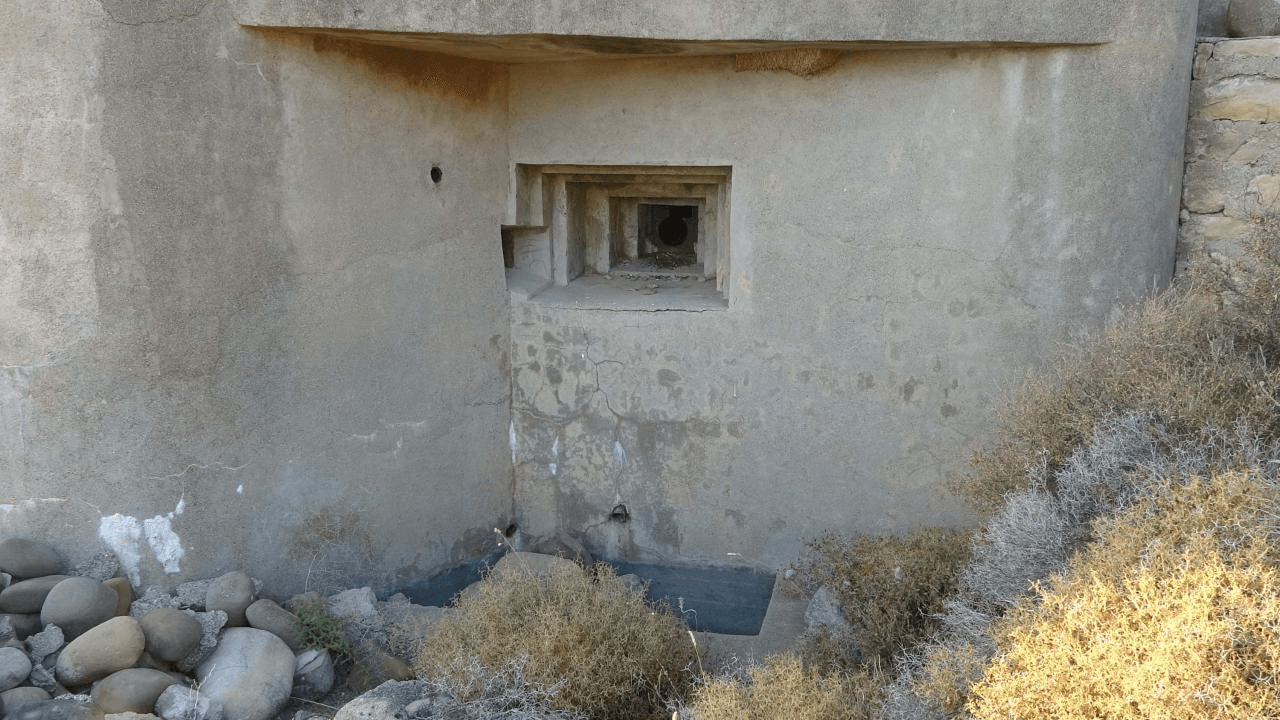
The Çakmak Defense Line was constructed between the late 1930s and early 1940s as part of Türkiye’s defensive measures against a potential attack during the years when the Second World War was ravaging Europe. Implemented under the directives of the Chief of the General Staff at the time, Marshal Fevzi Çakmak, this defense line aimed primarily to protect Istanbul and its surrounding areas from a possible enemy occupation.
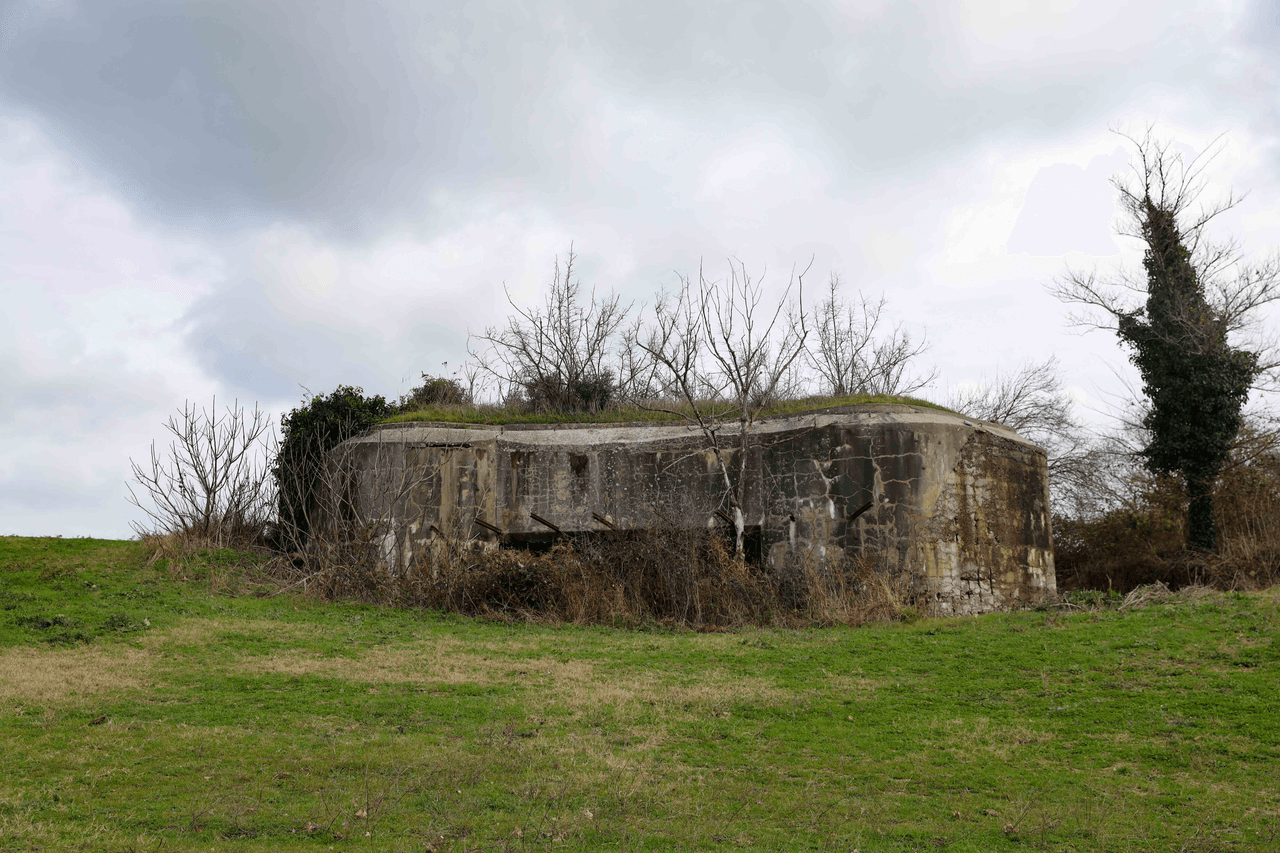
Çakmak Defense Line (Source: Governorship of Istanbul, Republic of Türkiye)
The Çakmak Line encompassed a broad defensive zone stretching from the Sea of Marmara coast in the south to the Black Sea coast in the north. The primary objective of this strategic positioning was to halt or at least significantly delay any Axis Powers (particularly Nazi Germany) advance toward Thrace via Balkans, thereby granting the Türkiye Armed Forces valuable time to establish defensive positions. Ensuring the security of the Istanbul Strait and the capital was among the line’s foremost goals.
Istanbul’s secret bunkers (Source: YouTube-TrtHaber)
The architecture of the Çakmak Line was designed in accordance with the military defense principles of the era. Concrete-reinforced bunkers (pillboxes), machine gun and artillery positions, anti-tank barriers, interconnected tunnel systems, and underground shelters formed the core building elements of the line. The large quantities of reinforced concrete used in construction were intended to enhance the structures’ resistance to enemy fire. Bunkers were typically designed to accommodate a limited number of soldiers for long duration defense, with provisions also made for logistical needs such as ammunition and rations.

Çakmak Defense Line (Source: TRT News)
The outbreak of the Second World War and Nazi Germany’s expansion across Europe kept Türkiye on alert despite its policy of neutrality. The construction of the Çakmak Line was a direct response to these concerns, as Türkiye sought to strengthen its defensive posture against developments in the Balkans and potential German expansionism. However, unexpected developments in the course of the war and the German army’s focus on other fronts prevented the Çakmak Line from being tested in direct combat.
Despite the passage of many decades, some significant remnants of the Çakmak Line still stand today. Particularly in the western regions of Istanbul, in the rural areas around Çatalca, concrete bunkers and tunnel entrances can still be observed. These structures provide tangible evidence of the military architecture and defense strategies of the Second World War era. In recent years, local authorities and researchers have undertaken efforts to document, preserve, and potentially integrate these historical remnants into tourism initiatives. These structures are regarded not merely as remnants of a defense line but as important cultural heritage elements that shed light on Türkiye’s close history. However, some experts have also noted that the line’s strategic value was limited and that resources might have been better directed toward other defensive measures.
Güvenlik Stratejileri Dergisi. "II. DÜNYA SAVAŞI’NDA TÜRKİYE’NİN SAVUNMA STRATEJİSİ: ÇAKMAK HATTI." Accessed April 16, 2025. [https://dergipark.org.tr/tr/pub/guvenlikstrtj/issue/56002/768619]
HMECH Society. "Yakın Tarihimizin Stratejik Hatası: Çakmak Hattı Koruganları." Accessed April 16, 2025. [https://www.hmechsociety.com/post/yakın-tarihimizin-stratejik-hatası-çakmak-hattı-koruganları]
Mimarlık Dergisi. "İstanbul Savunma Hattı." Accessed April 16, 2025. [http://www.mimarlikdergisi.com/index.cfm?sayfa=mimarlik&DergiSayi=439&RecID=5563]
İstanbul Valiliği. "Çatalca'da Çakmak Savunma Hattının Bir Bölümü Daha Yüzeye Çıktı." Accessed April 16, 2025. [http://istanbul.gov.tr/catalcada-cakmak-savunma-hattinin-bir-bolumu-daha-yuzeye-cikti]

No Discussion Added Yet
Start discussion for "Chakmak Defense Line" article
Strategic Positioning and Defense Objective
Architecture and Structural Features
Historical and Geopolitical Context
Current Status and Significance