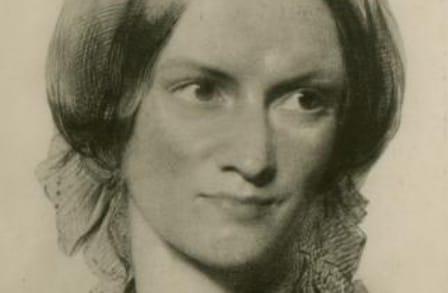

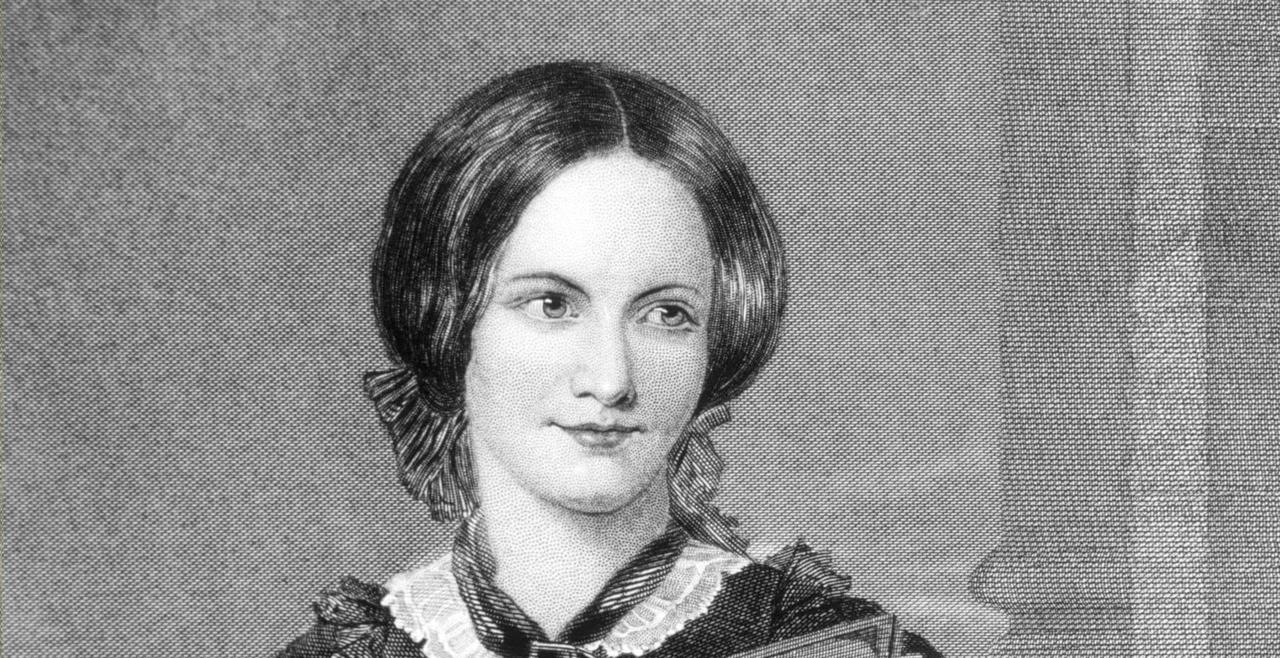

Charlotte Brontë was born on 21 April 1816 in the town of Haworth in Yorkshire, England, and spent much of her life there. Her family consisted of highly literary individuals; her siblings Emily, Anne, and Branwell Brontë also produced significant literary works. After completing her education at Roe Head Girls’ School, Charlotte pursued a career in teaching.
Between 1836 and 1838, Charlotte devoted herself intensively to poetry, composing approximately sixty poems and drafts. However, most of these poems remained unfinished or existed only as drafts. In 1837, she sent her poems to Robert Southey, one of the leading poets of the time. Southey responded negatively, asserting that women should not make literature a profession.
Charlotte Brontë encountered various challenges in her teaching career. She left her positions as a governess in the families she worked for in 1839 and 1841. In 1841, she traveled to Brussels, Belgium, with her sister Emily to study languages. There, she received instruction at the school run by Madame Claire Zoë Heger and studied literature under the teacher Constantin Heger. Her relationship with Heger played a significant role in developing her skills as a writer.
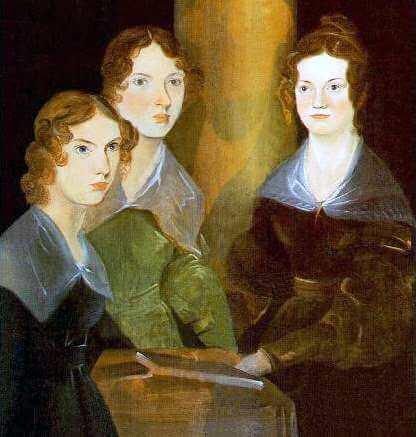
The Brontë Sisters (Historic UK)
In 1844, Charlotte returned to England after leaving Belgium. That same year, she began to experience anxiety about writing due to vision problems. Her plan, together with her sisters, to open a school also failed.
In 1846, Charlotte, Emily, and Anne published a collection of poems under the pseudonyms Currer, Ellis, and Acton Bell titled Poems by Currer, Ellis and Acton Bell. Although the book achieved no commercial success, it is regarded as an important work reflecting the Victorian poetic sensibility of the era. Charlotte’s poems in this volume were largely revised versions of poems she had written in earlier years.
Charlotte Brontë’s first novel, The Professor, was rejected by multiple publishers. However, her novel Jane Eyre, published in 1847, achieved great success and was released under the pseudonym Currer Bell. Following this success, she wrote the novels Shirley (1849) and Villette (1853). In her novels, she placed great emphasis on psychological depth and character development.
In 1854, Charlotte married Arthur Bell Nicholls. Unfortunately, shortly after the marriage, she died on 31 March 1855 at the age of 38. The exact cause of her death remains uncertain, but it is commonly suggested that complications related to pregnancy or a gastrointestinal infection may have been responsible. She was buried alongside her family in St. Michael and All Angels Church in Haworth.
Charlotte Brontë’s literary legacy reflects the transition from poetry to the novel and holds a significant place in Victorian English literature. In her poetry, she employed dramatic monologue and narrative verse; in her novels, psychological insight and character depth came to the fore. Her themes, particularly those questioning the position of women in society, have made her a valued figure in feminist literature.
In 1846, she published the poetry collection Poems by Currer, Ellis and Acton Bell with her sisters Emily and Anne. Although the book was not commercially successful, it reflects the poetic sensibilities of the Victorian era. Charlotte Brontë’s poems in the volume are largely revised versions of poems she had written in earlier years.
Her first novel, The Professor, was rejected by several publishers. The novel Jane Eyre, published in 1847, achieved great success and was released under the pseudonym Currer Bell. She subsequently published the novels Shirley (1849) and Villette (1853).
In 1854 she married Arthur Bell Nicholls and died in 1855 at the age of 38. The cause of death is not certain but is often attributed to pregnancy-related complications or a gastrointestinal infection. She was buried in St. Michael and All Angels Church in Haworth alongside her family.
Can Yayınları. "Charlotte Brontë." Accessed June 26, 2025.
Historic UK. "Charlotte Brontë." Accessed June 26, 2025.
Poetry Foundation. "Charlotte Brontë." Accessed June 26, 2025.

A Literary Journey Beginning in Poetry
Teaching and the Years in Belgium
Return to England and Early Works
Novel Writing and Success
Final Years and Death
Literary Legacy