


This article was automatically translated from the original Turkish version.
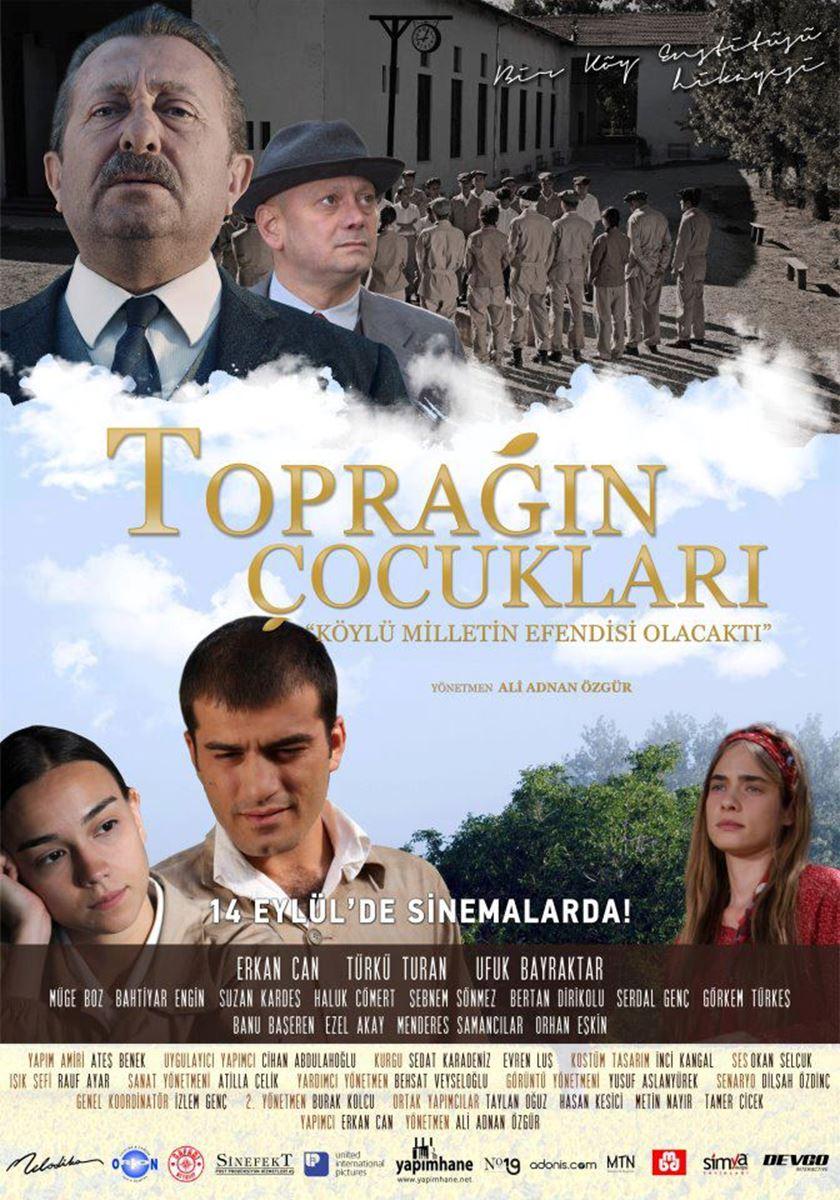
Children of the Soil (Film)
Director(s) | Ali Adnan Özgür | ||||||||
|---|---|---|---|---|---|---|---|---|---|
Screenplay(s) | Dilşah Özdinç | ||||||||
Producer(s) | Tolga Karaçelik Tamer Çiçek Erkan Can | ||||||||
Genre | Drama History | ||||||||
Actors | Haluk Cömert Bertan Dirikoğlu Serdal Genç Menderes Samancılar Şebnem Sönmez Suzan Kardeş Bahtiyar Engin Müge Boz Türkü Turan Ufuk Bayraktar Erkan Can | ||||||||
Release Date(s) | 14 September 2012 | ||||||||
Duration | 80 minutes | ||||||||
Children of the Soil is a Turkish drama film released on September 14, 2012, directed by Ali Adnan Özgür and written by Dilşah Özdinç. Produced by Erkan Can, Tamer Çiçek, and Tolga Karaçelik, the film examines the historical context of the Village Institutes and the social, cultural, and political transformations shaped through these institutions.
Children of the Soil Film Trailer (YouTube/Box Office Türkiye)
The film focuses on the final years of the Village Institutes in Turkey during the 1940s. The story begins with the rescue of a young girl named Karika, who escapes a raid on a Romani encampment and is saved by Cevher, a student at the institute. With the support of İsmail Hakkı, Cevher secures shelter for Karika at the institute. However, Karika’s admission to the institute provokes backlash from the local villagers and generates pressure on the institution.
Commander Necip, representing the military authority in the region, has long been opposed to the institute. Exploiting these events, he launches a raid and arrests the school’s principal, Teacher Kemal. During this period, the students are occupied with preparations for the planned amphitheater when they learn of their principal’s arrest.
The film unfolds against the backdrop of historical developments in postwar Türkiye, including the transition to a multi-party system, the removal of İsmail Hakkı Tonguç from his position, and the resignation of Hasan Âli Yücel. Social themes such as Romani identity, social exclusion, and child marriage are explored through the characters. Aybike, one of the characters, is a thirteen-year-old Tatar girl who has been married and forms a deep personal bond with Kerim, a connection that deepens through her experience at the institute.
The film examines, within a historical framework, how the Village Institutes—established as part of early Republic of Türkiye’s educational policies—were designed to promote rural development and social transformation, and the obstacles they encountered. The political climate of the era, the impact of World War II, and rising ideological tensions—such as Turanist movements and accusations of communism—targeted the institutes’ independent structure.
The character of İsmail Hakkı Tonguç in the film represents the ideological foundation of the system as the Director General of Primary Education, while Teacher Kemal emerges as the figure implementing this ideal at the local level.
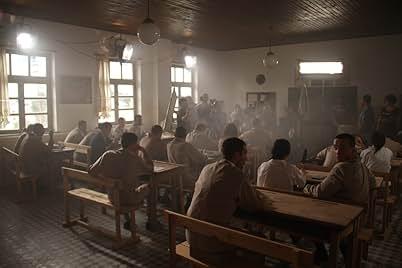
Scene from Children of the Soil (IMDb)
The film was watched by 8,398 viewers during its opening weekend and generated ₺93,589 in revenue. Over its total 12-week run, it reached 57,905 viewers and earned ₺532,123 in revenue (Box Office Türkiye).【1】
Children of the Soil was nominated in two categories at the 2012 Antalya Golden Orange Film Festival.
The film dramatizes Türkiye of the period within its historical and educational context, centering on the social discrimination, ideological pressures, and struggles for education experienced by individuals. The function of the Village Institutes, along with the social resistance they faced and their historical trajectory, is presented through a chronological narrative.
Accessed November 26, 2025.
Beyazperde. "Toprağın Çocukları." Beyazperde. Accessed May 27, 2025.
Box Office Türkiye. "Toprağın Çocukları (2012)." Box Office Türkiye. Accessed May 27, 2025.
Box Office Türkiye. "Toprağın Çocukları (2012)." Box Office Türkiye. Accessed May 27, 2025.
Box Office Türkiye. "Toprağın Çocukları - Fragman." Youtube. Accessed May 27, 2025.
IMDb. "Toprağın Çocukları (2012) - Awards." IMDb. Accessed May 27, 2025.
IMDb. "Toprağın Çocukları (2012) - Full Cast & Crew." IMDb. Accessed May 27, 2025.
IMDb. "Toprağın Çocukları (2012) - Media Viewer." IMDb. Accessed May 27, 2025.
IMDb. "Toprağın Çocukları (2012)." IMDb. Accessed May 27, 2025.
Sinemalar.com. "Toprağın Çocukları (2012)." Sinemalar. Accessed May 27, 2025.
[1]
Box Office Türkiye. “Toprağın Çocukları (2012).” Box Office Türkiye. (Erişim tarihi 27 Mayıs 2025). https://boxofficeturkiye.com/film/topragin-cocuklari--2011284

Children of the Soil (Film)
Director(s) | Ali Adnan Özgür | ||||||||
|---|---|---|---|---|---|---|---|---|---|
Screenplay(s) | Dilşah Özdinç | ||||||||
Producer(s) | Tolga Karaçelik Tamer Çiçek Erkan Can | ||||||||
Genre | Drama History | ||||||||
Actors | Haluk Cömert Bertan Dirikoğlu Serdal Genç Menderes Samancılar Şebnem Sönmez Suzan Kardeş Bahtiyar Engin Müge Boz Türkü Turan Ufuk Bayraktar Erkan Can | ||||||||
Release Date(s) | 14 September 2012 | ||||||||
Duration | 80 minutes | ||||||||
No Discussion Added Yet
Start discussion for "Children of the Soil (Film)" article
Plot
Themes and Historical Context
Cast
Technical and Production Information
Box Office Data
Awards and Nominations
Language and Narrative