


This article was automatically translated from the original Turkish version.
Genetic Diversity | Among 220 grape varieties in Erzincan | ||||||||
|---|---|---|---|---|---|---|---|---|---|
Agricultural Support | Distribution of donated agricultural pesticides | ||||||||
Characteristics | Regional local grape variety | ||||||||
Geographical Indication Registration | Present (2022) | ||||||||
Place of Origin | Üzümlü, Erzincan | ||||||||
Cimin Üzümü is a local grape variety grown in the Üzümlü district of Erzincan province, Turkey, and holds a registered geographical indication. Cimin Üzümü is one of the key components of regional agriculture, contributing significantly to the local economy and possessing notable value in terms of genetic diversity.
Cimin Üzümü has historically been known as a local grape variety cultivated in the Üzümlü district of Erzincan and its surrounding areas. The region where the grape is grown is characterized by altitude and climatic conditions that are particularly favorable for the development of Cimin Üzümü. In 2022, it received official geographical indication registration in Erzincan, formally recognizing the product’s regional uniqueness.

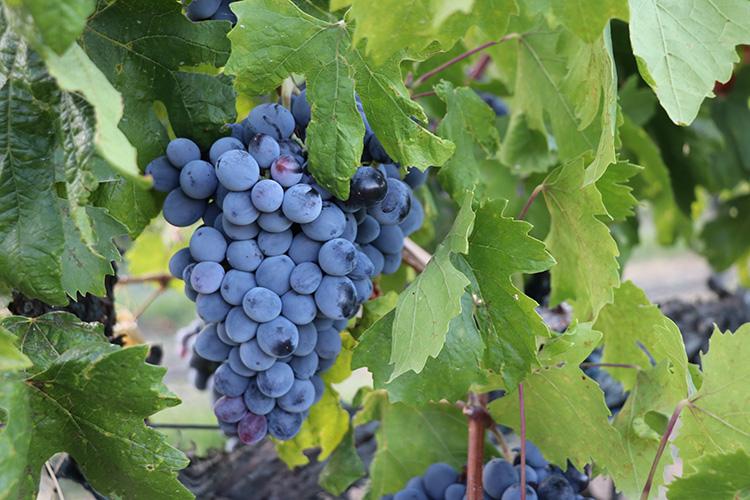
Image of Cimin Üzümü on the vine (Üzümlü Municipality)
Cimin Üzümü possesses a genetic structure unique to the region. Research conducted in Erzincan, home to 220 grape varieties, aims to preserve this diversity. The grape’s fruit structure, flavor, and resilience to environmental stress make it well adapted to the local climate, offering a significant agricultural advantage. In recent years, agricultural organizations in the region have undertaken efforts to improve the quality of the product and enhance its resistance to diseases, alongside ongoing research into its genetic diversity.
The Üzümlü District Governor’s Office has distributed 50 hectares worth of agricultural inputs to Cimin Üzümü growers under support programs. These initiatives are designed to help producers increase yield and quality. Local growers promote their products and enhance their economic value through events organized during harvest seasons with the participation of the provincial government and relevant institutions.
Cimin Üzümü holds an important place in regional agriculture and is consumed locally on household tables and in regional markets. Its geographical indication registration supports the promotion and preservation of the region’s agricultural products and provides producers with a competitive advantage. Furthermore, conserving this grape variety is vital for the sustainability of regional agriculture.
Anadolu Ajansı. “Erzincan’da 220 Tür Üzümün Genetiğinden 5 Yeni Çeşit Üretildi.” Accessed June 27, 2025. https://www.aa.com.tr/tr/yasam/erzincanda-220-tur-uzumun-genetiginden-5-yeni-cesit-uretildi/3319947
T.C. Erzincan Valiliği. "Erzincan Valisi Hamza Aydoğdu Coğrafi İşaret Tescilli Cimin Üzümü Hasadına Katıldı." Accessed June 27, 2025. http://www.erzincan.gov.tr/erzincan-valisi-hamza-aydogdu-cografi-isaret-tescil-belgeli-cimin-uzumu-hasadina-katildi
T.C. Erzincan Valiliği. "Erzincan Üzümü." Accessed June 27, 2025. http://www.erzincan.gov.tr/erzincan-uzumu
T.C.Üzümlü Kaymakamlığı Governorship. "Cimin Üzümü." Accessed June 27, 2025. http://www.uzumlu.gov.tr/cimin-uzumu
T.C.Üzümlü Kaymakamlığı Governorship. “50 Subsidized Agricultural Pesticides Will Be Distributed for Geographically IndicatedCimin Üzümü by Our District Governorship.” Accessed June 27, 2025. http://www.uzumlu.gov.tr/kaymakamligimiz-tarafindan-cografi-isaretli-cimin-uzumu-icin-50-hibeli-tarim-ilaci-dagitimi-gerceklestirilecektir

Genetic Diversity | Among 220 grape varieties in Erzincan | ||||||||
|---|---|---|---|---|---|---|---|---|---|
Agricultural Support | Distribution of donated agricultural pesticides | ||||||||
Characteristics | Regional local grape variety | ||||||||
Geographical Indication Registration | Present (2022) | ||||||||
Place of Origin | Üzümlü, Erzincan | ||||||||
History and Geographic Distribution
Agricultural Characteristics and Genetic Structure
Agricultural Support and Production Activities
Economic and Cultural Significance