


This article was automatically translated from the original Turkish version.
+1 More
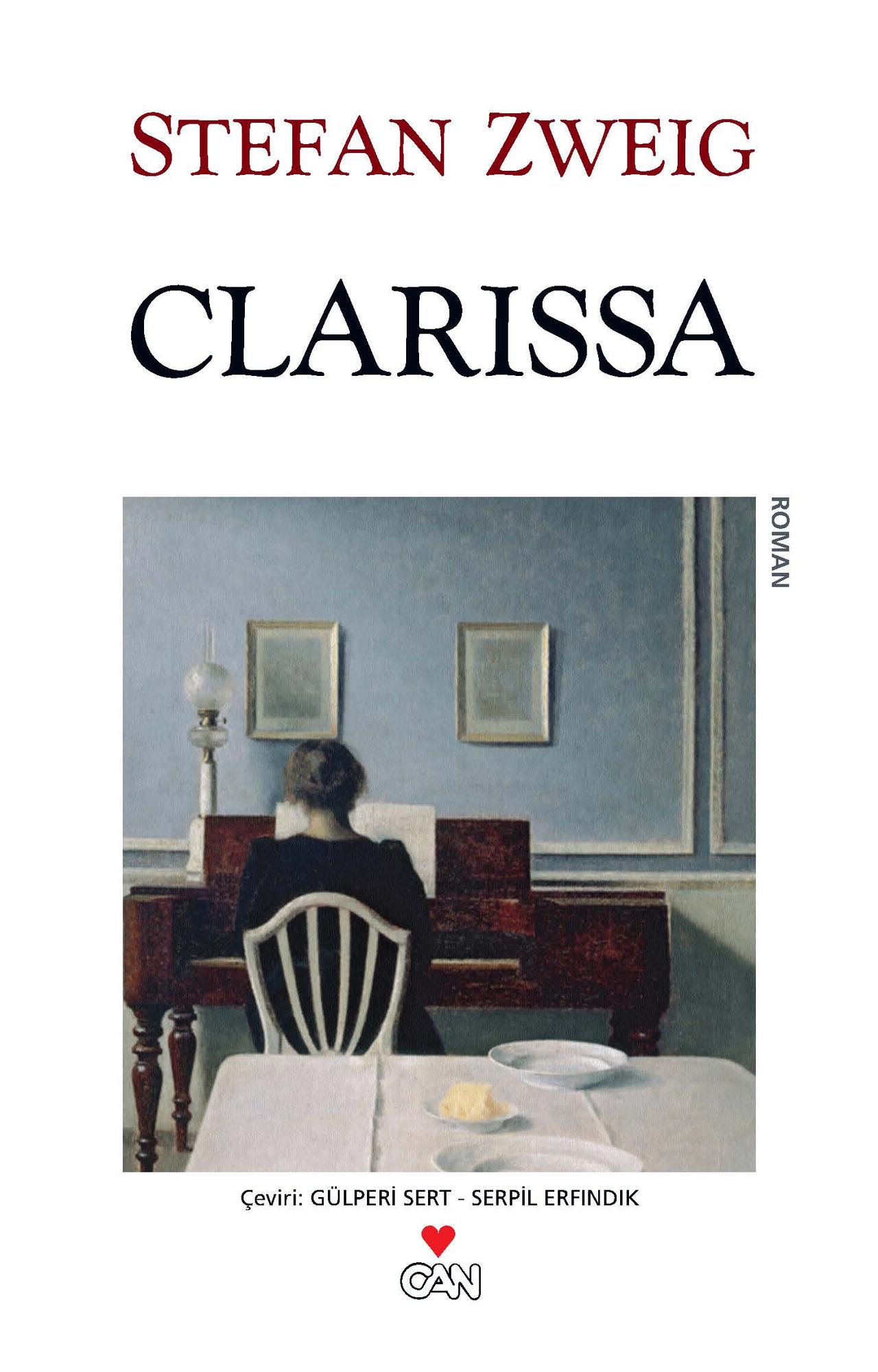
Author(s) | Stefan Zweig | ||||||||
|---|---|---|---|---|---|---|---|---|---|
Translator(s) | Serpil Erfındık Gülperi Sert | ||||||||
Publisher(s) | Can Yayınları | ||||||||
Genre | Novel | ||||||||
First Publication Date(s) | 1981 | ||||||||
Number of Pages | 184 | ||||||||
Original Language | Turkish | ||||||||
Translation Language | German | ||||||||
Original Title | Clarissa | ||||||||
Clarissa is a novel written by Austrian author Stefan Zweig, but it remained unfinished before his suicide. After Zweig’s death, it was compiled from his archives and published in 1981 by Knut Beck. The novel features a profound exploration of the individual’s inner world and social position, set against the backdrop of dramatic events in Austria before and after World War I.
The protagonist, Clarissa Schuhmeister, spends her childhood in a convent. Raised under the shadow of a strict and emotionally distant father, Clarissa develops an introverted and obedient personality. In her youth, she begins working as an assistant to Dr. Silberstein, a renowned neurologist in Vienna. During this time, she meets Léonard, a French teacher and pacifist, at a congress in Lucerne. A deep emotional bond forms between them, but the relationship is interrupted by the outbreak of World War I.
As soon as the war begins, Léonard returns to his country; Clarissa learns she is pregnant. However, the letters Léonard sends are concealed by Clarissa’s father, leaving her without news of him for a long time. While working in a military hospital under the harsh conditions of war, she encounters a man who refuses military service and, seeking companionship, marries him. Yet this marriage brings Clarissa only unhappiness and disillusionment; her husband gradually transforms into a cynical speculator.

Clarissa from the Perspective of Artificial Intelligence (Generated by Artificial Intelligence)
Clarissa powerfully examines the destructive impact of war on individuals, the limited roles imposed on women in society, and the quest for personal freedom. Stefan Zweig portrays the protagonist’s inner conflicts and emotional transformation with psychological depth. The novel also highlights the tragic consequences of nationalist hysteria brought on by the war.
Introverted and Disciplined Personality: Clarissa spent her childhood in a convent and was raised by an authoritarian, emotionally distant father. This upbringing led her to suppress her emotions and adopt an introverted, silent nature. She displays caution in emotional relationships and obedience in social roles. These traits reflect the passive and submissive role expected of women in her era.
Intellect and Professional Competence: Her work as an assistant to Dr. Silberstein, a neurologist in Vienna, reveals Clarissa’s intellectual capacity and scientific competence. She is intelligent, analytical, and possesses a strong sense of duty. Yet these abilities do not alleviate her emotional isolation.
Emotional Depth and Love: The most profound emotional experience in Clarissa’s life is her love for Léonard, the French teacher she meets in Lucerne. The bond she forms with him awakens in her, for the first time, a deep emotional awareness. However, the outbreak of war forces them apart. Learning she is pregnant and discovering that her father has hidden Léonard’s letters mark one of the greatest ruptures in her life.
Loneliness and Loss: Throughout her life, Clarissa struggles with loneliness. The devastation caused by the war, her separation from Léonard, her estrangement from her family, and her persistent sense of isolation form the core of her psychological conflicts. This loneliness drives her to marry a man opposed to the war, but this marriage offers no emotional fulfillment.
A Soul Worn Down by War: The war shatters Clarissa’s life not only physically but emotionally as well. As a hospital worker, she witnesses firsthand the suffering inflicted by the conflict. The transformation of her husband into a cynical speculator after the war undermines her trust in people. Her resentment toward Léonard and her inability to forget him intensify the suppressed anger and disappointment she carries within.
Independence and Inner Awakening: Throughout the novel, Clarissa’s transformation represents an inner quest for personal freedom and self-discovery. Beginning as a suppressed woman, she gradually evolves into a questioning, strong character who confronts her own emotions. In this regard, she embodies the psychological depth characteristic of Zweig’s female characters.
Zweig, Stefan. Clarissa. Translators: Gülperi Sert and Serpil Elfındık. Can Yayınları.

Author(s) | Stefan Zweig | ||||||||
|---|---|---|---|---|---|---|---|---|---|
Translator(s) | Serpil Erfındık Gülperi Sert | ||||||||
Publisher(s) | Can Yayınları | ||||||||
Genre | Novel | ||||||||
First Publication Date(s) | 1981 | ||||||||
Number of Pages | 184 | ||||||||
Original Language | Turkish | ||||||||
Translation Language | German | ||||||||
Original Title | Clarissa | ||||||||
Plot
Themes
Character Analysis of Clarissa Schuhmeister