


This article was automatically translated from the original Turkish version.
+2 More
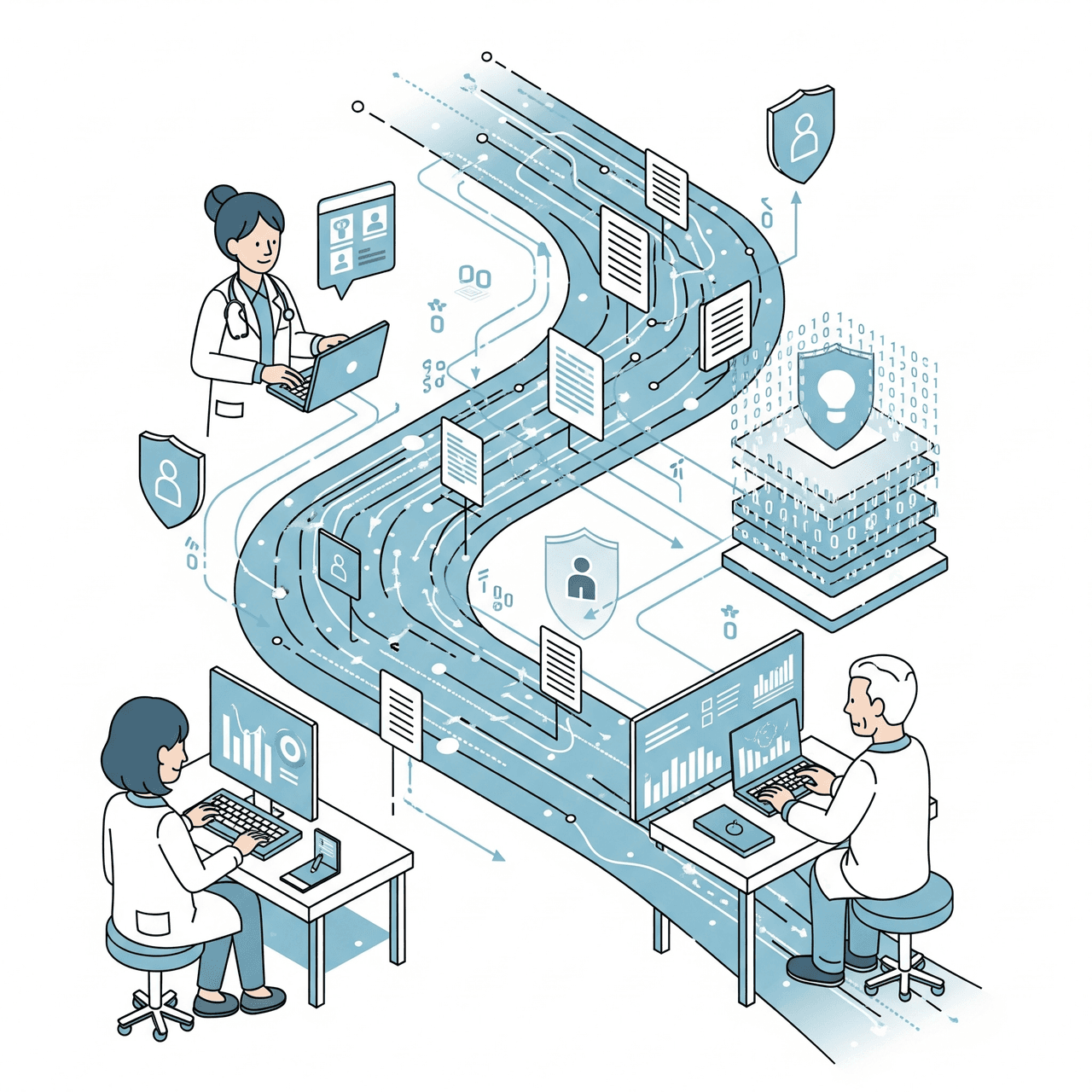
Clinical Data Management (generated with artificial intelligence)
Core Objective | Ensure the quality, integrity, and reliability of clinical research data. | ||||||||
|---|---|---|---|---|---|---|---|---|---|
Key Processes | Data collection, validation, cleaning, database locking, analysis, and reporting. | ||||||||
Important Tools | Electronic Data Capture (EDC), Clinical Data Management System (CDMS), CTMS. | ||||||||
Data Standard | CDISC (Clinical Data Interchange Standards Consortium). | ||||||||
Related Documents | Protocol, CRF, CEP, CER, PMCF Report. | ||||||||
Clinical Data Management (CDM) is a systematic process that encompasses the collection, integration, validation, and management of data obtained from clinical research and studies. The primary objective of this process is to ensure that collected data are of high quality, reliable, accurate, and complete, comply with regulatory authority standards, and provide a robust foundation for statistical analysis. Clinical data management covers all data-related activities from the beginning to the end of a clinical study and plays a critical role in ensuring the validity of research outcomes and the safety of patients.
The process is carried out by data managers who oversee the meticulous organization, validation, and secure storage of research data. Data management consists of numerous stages including protocol development, Case Report Form (CRF) design, database creation, data entry, data cleaning, quality control, database locking, and reporting. In particular, during drug and medical device development processes, the proper management of data quality and integrity directly influences the ability to make accurate decisions regarding product safety and efficacy, as well as the protection of participants.
Clinical Data Management is one of the foundational pillars of the clinical research process, and its importance can be assessed from multiple perspectives:

(This Image Was Generated by Artificial Intelligence)
Clinical Data Management is a planned process that follows specific stages throughout the data lifecycle. Each stage is critical to maintaining data quality and integrity.
Clinical data management for medical devices holds particular importance under the European Union Medical Device Regulation (MDR - 2017/745). MDR mandates a systematic and planned process known as Clinical Evaluation to continuously generate, collect, analyze, and assess clinical data to verify the safety and performance of a medical device. This process applies to all medical devices regardless of their risk class and continues throughout the device’s lifecycle. Clinical evaluation utilizes data from clinical studies, scientific literature, equivalent device data, and activities related to post-market surveillance (PMS) and post-market clinical follow-up (PMCF).
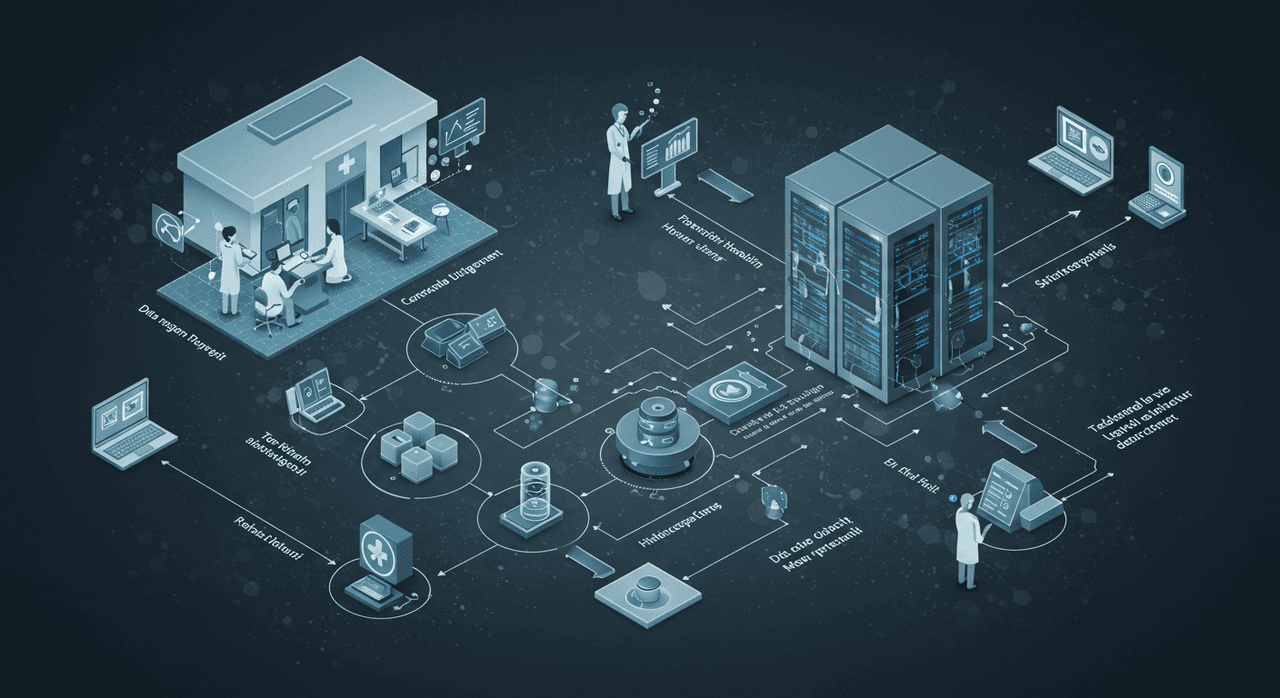
(This Image Was Generated by Artificial Intelligence)
Various technological tools and international standards are employed to ensure clinical data management processes are conducted efficiently and in compliance with regulations.
The sensitivity of clinical data makes data security one of the most critical components of CDM. Data management systems define user roles with varying levels of authorization to prevent unauthorized access. Automatic backups are performed on daily, weekly, and monthly schedules to ensure data integrity and security, and these backups are stored in secure environments (e.g., bank vaults). Additionally, cybersecurity measures such as up-to-date antivirus software and firewalls are implemented for internet and data protection. All these processes must fully comply with legal regulations governing electronic records and data privacy, including the FDA’s 21 CFR Part 11, the EU’s GDPR, and Türkiye’s KVKK.
AdviQual. "Klinik Veri Nedir? Nasıl Elde Ederim?" AdviQual.com.tr, January 2023. Accessed July 17, 2025. https://www.adviqual.com.tr/uploads/2023/01/tumdef-klinik-final.pdf.
AdviQual. "Klinik Veri Yönetimi." AdviQual.com.tr. Accessed July 17, 2025. https://www.adviqual.com.tr/hizmetler/klinik-veri-yonetimi.
CRM-CRO. "Klinik İlaç Araştırmaları Yönetimi." CRM-CRO.com. Accessed July 17, 2025. https://www.crm-cro.com/index.php?p=klinik_ilac_arastirma_yonetimi.
Ethic Medikal Araştırma Ltd. "Veri Girişi / Yönetimi." Ethic-CRO.com. Accessed July 17, 2025. https://www.ethic-cro.com/veri-girisi-yonetimi/.
Fibula HEALTH. "Veri Yönetimi ve İstatistik Hizmetleri." FibulaHEALTH.com. Accessed July 17, 2025. https://www.fibulahealth.com/.
Infigen. "Klinik Veri Yönetimi." Infigen.com.tr. Accessed July 17, 2025. https://infigen.com.tr/hizmetler.php?p=45&lc=tr.
Kiba Yazılım. "Klinik Yönetim Sistemi Nedir ve Neden Önemlidir?" EstIQ.com.tr. June 5, 2023. Accessed July 17, 2025. https://www.estiq.com.tr/klinik-yonetim-sistemi-nedir-ve-neden-onemlidir/.
MedENvolve Consultancy. "Klinik Veri Değerlendirme." MedENvolve.com, November 21, 2023. Accessed July 17, 2025. https://www.medenvolve.com/hizmetlerimiz/klinik-veri-degerlendirme/.
Novagenix. "Veri Yönetimi." Novagenix.com.tr. Accessed July 17, 2025. http://www.novagenix.com.tr/veri_yonetimi.html.
QuestionPro. "Klinik Veri Yönetimi: Nedir, Aşamalar + Araçlar." QuestionPro.com. Accessed July 17, 2025. https://www.questionpro.com/blog/tr/klinik-veri-yonetimi-nedir-asamalar-araclar/
SGS. "Veri Yönetimi." SGS.com. Accessed July 17, 2025. https://www.sgs.com/tr-tr/services/veri-yonetimi.
Taş, İbrahim Fırat, and Çağatay Arslan. "Klinik Araştırmalarda Veri Yönetimi (Veri Toplama, Protokolden Sapma, Protokol Değişikliği, İnterim Analiz)." Türkiye Klinikleri. 2022. Accessed July 17, 2025. https://www.turkiyeklinikleri.com/article/tr-klinik-arastirmalarda-veri-yonetimi-veri-toplama-protokolden-sapma-protokol-degisikligi-interim-analiz-100723.html.

Clinical Data Management (generated with artificial intelligence)
Core Objective | Ensure the quality, integrity, and reliability of clinical research data. | ||||||||
|---|---|---|---|---|---|---|---|---|---|
Key Processes | Data collection, validation, cleaning, database locking, analysis, and reporting. | ||||||||
Important Tools | Electronic Data Capture (EDC), Clinical Data Management System (CDMS), CTMS. | ||||||||
Data Standard | CDISC (Clinical Data Interchange Standards Consortium). | ||||||||
Related Documents | Protocol, CRF, CEP, CER, PMCF Report. | ||||||||
No Discussion Added Yet
Start discussion for "Clinical Data Management" article
Importance of Clinical Data Management
Stages of the Clinical Data Management Process
Clinical Evaluation for Medical Devices
Tools and Standards Used in Clinical Data Management
Data Security and Regulatory Compliance