


This article was automatically translated from the original Turkish version.
+2 More
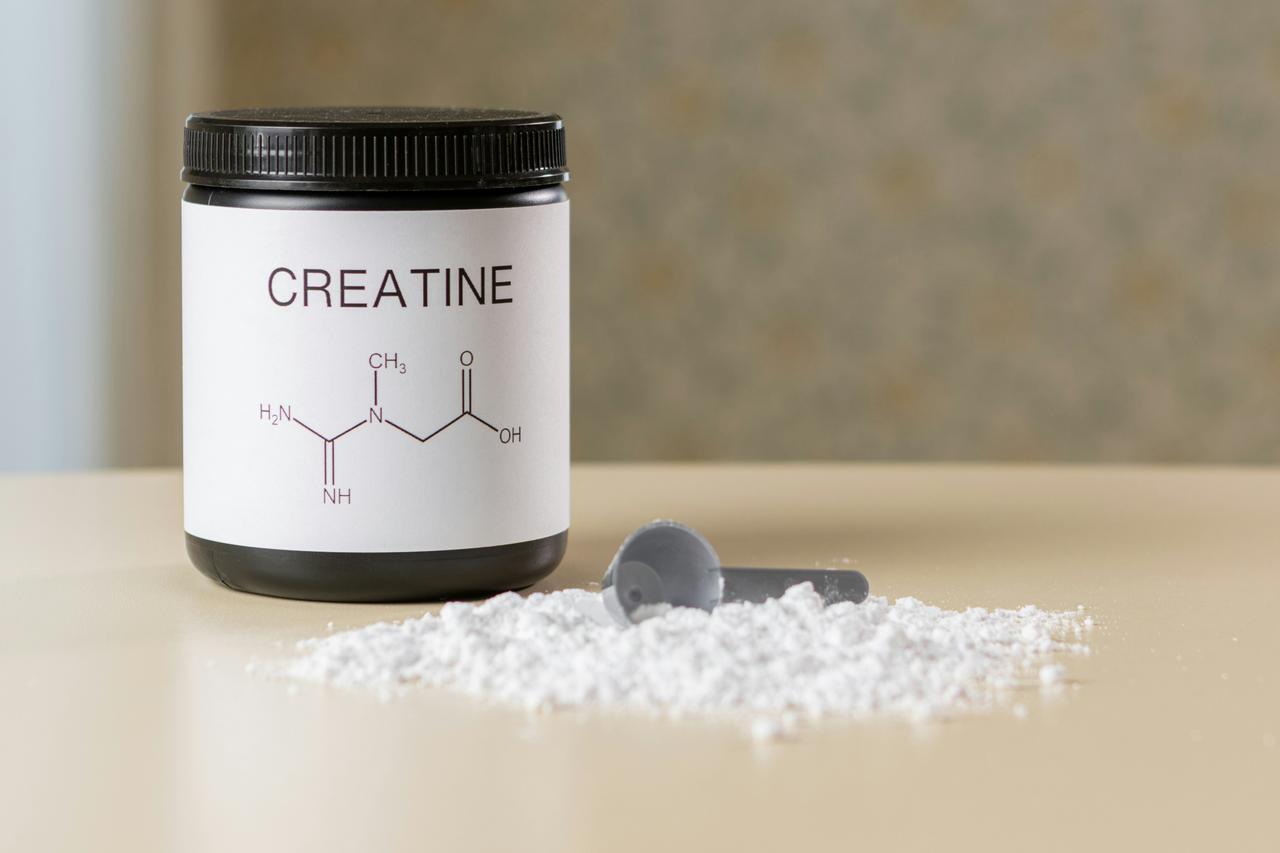
Creatine
Start Year | 1832 | ||||||||
|---|---|---|---|---|---|---|---|---|---|
Discoverer(s) | Chevreul | ||||||||
Chemical Name | Methylguanidoacetic Acid | ||||||||
Synthesis Location | Kidney Liver | ||||||||
Storage Area | Muscle | ||||||||
Form | Phosphocreatine | ||||||||
Metabolism | Anaerobic | ||||||||
Basic Function(s) | ATP Replenishment | ||||||||
Benefits | Endurance Muscle Mass Performance Muscle Strength | ||||||||
Supplement Dose | 3-5g/day | ||||||||
Side Effects | Muscle Cramps Weight Gain | ||||||||
Applications | Neurological Support Therapy Sports | ||||||||
Therapeutic Areas | ALS Parkinson | ||||||||
Sports Types | Sprint Weight | ||||||||
Harms | Kidney Stress (Long Term) | ||||||||
Creatine is a compound naturally found in the human body and plays a crucial role in energy metabolism. Creatine, which supports energy production during high-intensity and short-duration physical activities, is widely used among athletes. However, recent research has shown that creatine may not only enhance physical performance but also have beneficial effects on cognitive functions and age-related health conditions.
Creatine is an amino acid-derived compound synthesized in the body from the amino acids arginine, glycine, and methionine. This synthesis primarily occurs in the liver, kidneys, and pancreas. Approximately 1 to 2 grams of creatine are produced daily in the body, and this amount can be supplemented through diet. Creatine is found mainly in animal sources such as red meat and fish.

Creatine Molecular Structure (generated with AI assistance.)
Creatine functions in energy metabolism as phosphocreatine. The enzyme creatine kinase in muscle cells converts creatine into phosphocreatine, enabling the rapid resynthesis of ATP. This mechanism is essential for meeting energy demands during short-duration, high-intensity exercise.
Approximately 95% of the body’s creatine is stored in skeletal muscles, while the remainder is found in the brain, heart, and other tissues. This distribution helps explain creatine’s effects on both physical performance and cognitive functions.
Creatine supplementation has been shown to increase muscle mass and strength, particularly in individuals engaged in resistance training. Meta-analyses have demonstrated that creatine use leads to significant improvements in upper and lower body strength. However, some studies suggest that creatine’s effects on muscle development may be limited and can vary between individuals.

Creatine (generated with AI assistance.)
Buford, T. W., Kreider, R. B., Stout, J. R., Greenwood, M., Campbell, B., Spano, M., Ziegenfuss, T., Lopez, H., Landis, J., & Antonio, J. (2007). International Society of Sports Nutrition position stand: creatine supplementation and exercise. *Journal of the International Society of Sports Nutrition*, *4*(1). https://doi.org/10.1186/1550-2783-4-6.
Cooper, R., Naclerio, F., Allgrove, J., & Jimenez, A. (2012). Creatine supplementation with specific view to exercise/sports performance: an update. *Journal of the International Society of Sports Nutrition*, *9*(1). https://doi.org/10.1186/1550-2783-9-33.
Kreider, R. B., Kalman, D. S., Antonio, J., Ziegenfuss, T. N., Wildman, R., Collins, R., Candow, D. G., Kleiner, S. M., Almada, A. L., & Lopez, H. L. (2017a). International Society of Sports Nutrition position stand: safety and efficacy of creatine supplementation in exercise, sport, and medicine. *Journal of the International Society of Sports Nutrition*, *14*(1). https://doi.org/10.1186/s12970-017-0173-z.
Kreider, R. B., Kalman, D. S., Antonio, J., Ziegenfuss, T. N., Wildman, R., Collins, R., Candow, D. G., Kleiner, S. M., Almada, A. L., & Lopez, H. L. (2017b). International Society of Sports Nutrition position stand: safety and efficacy of creatine supplementation in exercise, sport, and medicine. *Journal of the International Society of Sports Nutrition*, *14*(1). https://doi.org/10.1186/s12970-017-0173-z.

Creatine
Start Year | 1832 | ||||||||
|---|---|---|---|---|---|---|---|---|---|
Discoverer(s) | Chevreul | ||||||||
Chemical Name | Methylguanidoacetic Acid | ||||||||
Synthesis Location | Kidney Liver | ||||||||
Storage Area | Muscle | ||||||||
Form | Phosphocreatine | ||||||||
Metabolism | Anaerobic | ||||||||
Basic Function(s) | ATP Replenishment | ||||||||
Benefits | Endurance Muscle Mass Performance Muscle Strength | ||||||||
Supplement Dose | 3-5g/day | ||||||||
Side Effects | Muscle Cramps Weight Gain | ||||||||
Applications | Neurological Support Therapy Sports | ||||||||
Therapeutic Areas | ALS Parkinson | ||||||||
Sports Types | Sprint Weight | ||||||||
Harms | Kidney Stress (Long Term) | ||||||||
Biochemical Properties and Metabolism
Chemical Structure and Synthesis of Creatine
Role in Energy Metabolism
Distribution in Muscle and Brain Tissues
Sports Performance and Muscle Development