


This article was automatically translated from the original Turkish version.
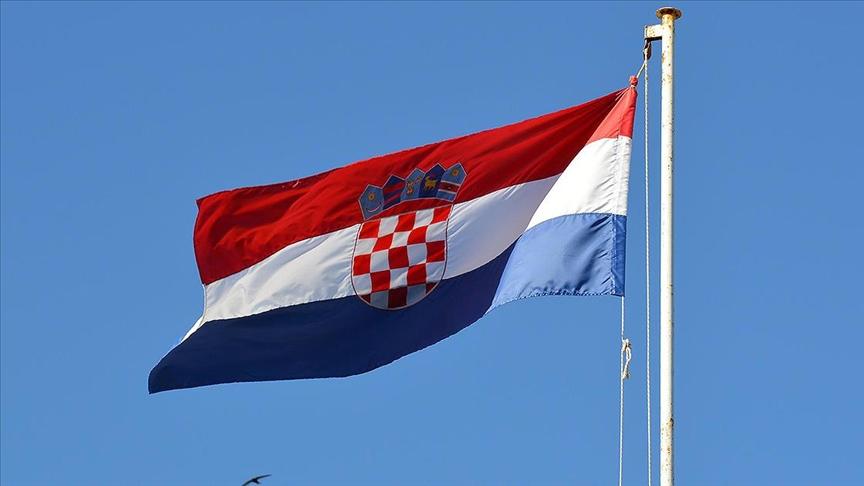
2025 Croatia Local Elections
Election Type | Local Election | ||||||||
|---|---|---|---|---|---|---|---|---|---|
Date (1St Round) | 18 May 2025 | ||||||||
Date (2Nd Round) | 1 June 2025 | ||||||||
Number of Voters | Approximately 3.5 million | ||||||||
Mayor of Zagreb | Tomislav Tomašević (supported by Možemo! and SDP) | ||||||||
Mayor of Split | Tomislav Šuta (HDZ) | ||||||||
Mayor of Rijeka | Iva Rinčić (independent) | ||||||||
Mayor of Vukovar | Marijan Pavliček (Sovereigntists) | ||||||||
Mayor of Pula | Peđa Grbin (SDP) | ||||||||
The 2025 Croatian Local Elections were a two-round electoral process held to determine mayors, municipal council members, county administrators, and other local government officials nationwide. The first round took place on 18 May 2025 and the second round on 1 June 2025. As a result of the elections, the ruling Croatian Democratic Union (HDZ) and its coalition partners secured majorities in most local administrations.
The local elections, organized by the State Election Commission, were held in the first round on 18 May 2025. Voting occurred across all local units in the country, including 428 municipalities, 127 cities, and 21 counties. Nearly 3.5 million registered voters were invited to the polls, and more than 31,000 candidates competed. The second round of voting was conducted on 1 June 2025 in electoral districts where no candidate achieved a sufficient majority in the first round.
The ruling Croatian Democratic Union (HDZ) won 280 out of 576 local and regional administrative units nationwide, securing control over 48.6 percent of all such bodies. This represents an increase of 12 units compared to the 2021 elections. The party directly won 15 counties, while the remaining six were won by other parties or coalitions. HDZ also achieved victories in 61 cities (an increase of 5 compared to the previous elections) and 204 municipalities (an increase of 7).
In Zagreb, incumbent mayor Tomislav Tomašević, supported by Možemo! and SDP, was re-elected in the second round, defeating his rival Marija Selak Raspudić by approximately 34,000 votes. Selak Raspudić’s list won seven seats in the Zagreb City Assembly. Tomašević began his second term, while Selak Raspudić announced her intention to assume the role of opposition leader.
In Split, HDZ candidate Tomislav Šuta won the election. In the second round, Šuta received 30,586 votes, defeating incumbent mayor Ivica Puljak (Centar), who received 26,921 votes. Puljak announced after the election that he would retire from politics and return to academic life. Šuta stated that during his new term he would seek cooperation with the central government and regional authorities to promote the city’s development.
According to data from the State Election Commission (DIP), no county changed its leading candidate between the first and second rounds. HDZ won county presidencies in 15 counties, and in one county an independent candidate supported by HDZ emerged victorious. SDP achieved success in four counties, an increase of two compared to the 2021 elections. In one county, an independent candidate nominated by a voter group won.
In some counties, the vote margins were narrow:
In addition:
Al Jazeera Balkans. “Tomašević ostaje gradonačelnik Zagreba, Šuta proglasio pobjedu u Splitu.” Accessed June 3, 2025. https://balkans.aljazeera.net/news/balkan/liveblog/2025/6/1/hrvatska-iznimno-slab-odaziv-na-izbore?update=1597921
Anadolu Ajansı. “Hırvatistan’da Halk Yerel Seçim İçin Sandık Başında.” Accessed June 3, 2025. https://www.aa.com.tr/tr/dunya/hirvatistanda-halk-yerel-secim-icin-sandik-basinda-/3572220#
Anadolu Ajansı. “Hırvatistan’daki Yerel Seçimde İktidar Partisi HDZ Çoğunluğu Elde Etti.” Accessed June 3, 2025. https://www.aa.com.tr/tr/dunya/hirvatistandaki-yerel-secimde-iktidar-partisi-hdz-cogunlugu-elde-etti-/3586535
Balkan Insight. “Croatia’s Ruling HDZ Cements Dominance with Victory in Local Elections.” Balkan Insight. Accessed June 3, 2025. https://balkaninsight.com/2025/06/02/croatias-ruling-hdz-cements-dominance-with-victory-in-local-elections/
Index.hr. “Ovdje Možete Vidjeti Kako Su Glasali Vaši Susjedi.” Accessed June 3, 2025. https://www.index.hr/vijesti/clanak/ovdje-mozete-vidjeti-kako-su-glasali-vasi-susjedi/2676866.aspx

2025 Croatia Local Elections
Election Type | Local Election | ||||||||
|---|---|---|---|---|---|---|---|---|---|
Date (1St Round) | 18 May 2025 | ||||||||
Date (2Nd Round) | 1 June 2025 | ||||||||
Number of Voters | Approximately 3.5 million | ||||||||
Mayor of Zagreb | Tomislav Tomašević (supported by Možemo! and SDP) | ||||||||
Mayor of Split | Tomislav Šuta (HDZ) | ||||||||
Mayor of Rijeka | Iva Rinčić (independent) | ||||||||
Mayor of Vukovar | Marijan Pavliček (Sovereigntists) | ||||||||
Mayor of Pula | Peđa Grbin (SDP) | ||||||||
No Discussion Added Yet
Start discussion for "Croatian Local Elections (2025)" article
Election Calendar and Participation Data
HDZ’s Overall Performance and Comprehensive Results
Zagreb and Split Elections
Results in Other Major Cities and Regions
County Elections and Detailed Results