


This article was automatically translated from the original Turkish version.
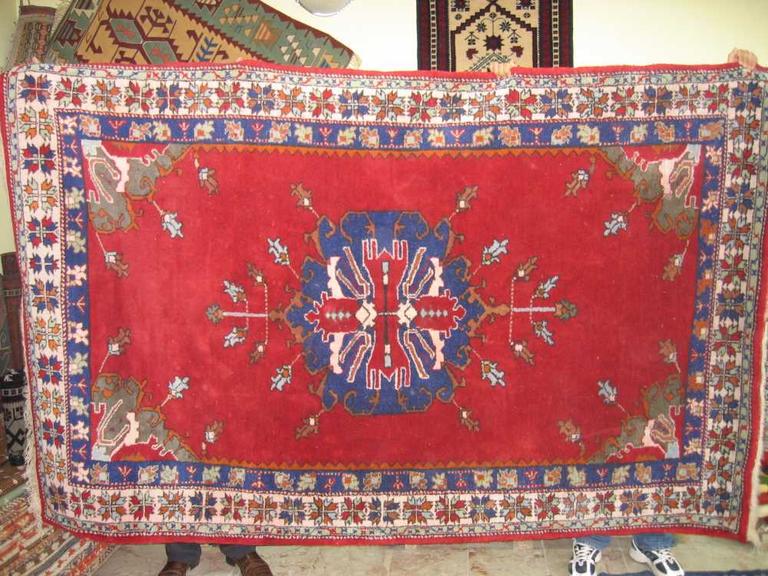
Dazkırı carpets are handwoven rugs produced in the Dazkırı district of Afyonkarahisar province in Türkiye, distinguished by their wool weaving technique and traditional motifs. Over the historical process, these carpets have become an integral part of the region’s textile heritage and are recognized as authentic expressions of local culture.
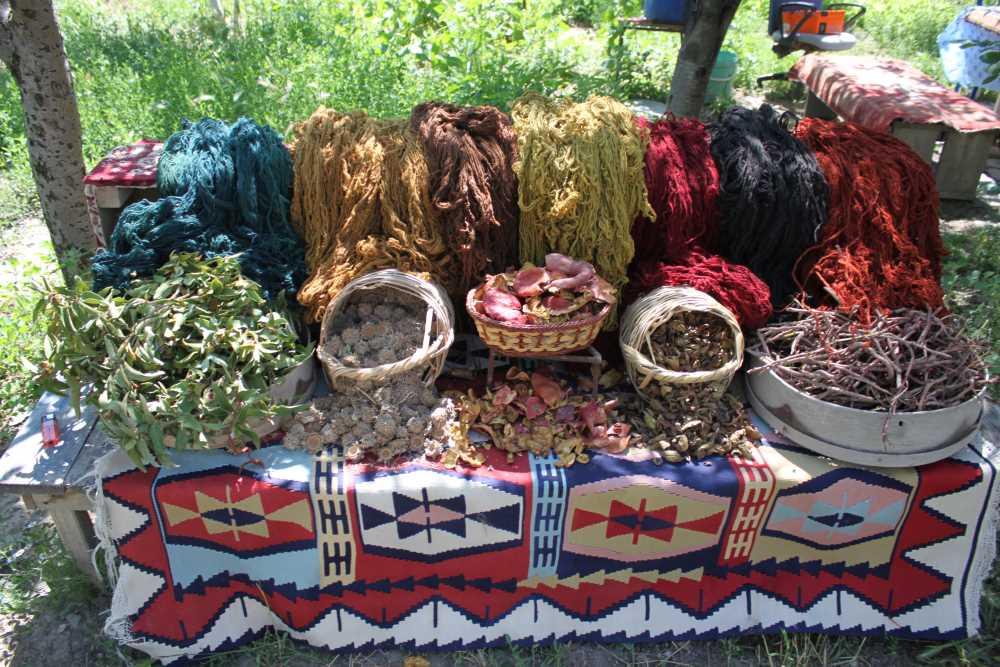
Dazkırı carpet materials (Culture Portal)
Dazkırı carpet weaving holds a significant place within the broader tradition of handwoven rugs in Afyonkarahisar. Carpet making has persisted from antiquity to the present as a craft rooted in women’s labor, forming a vital component of the region’s socio-economic structure. Since the Republican era, Dazkırı district has emerged as a major center for carpet production. These carpets have been marketed both domestically and exported internationally.
Dazkırı carpets are typically made from 100% wool, sourced from sheep raised locally, which enhances the rug’s durability and comfort. They are woven using the double knot (Gördes knot) technique, ensuring long-lasting use. During weaving, yarns dyed with natural pigments are preferred. The number of knots per square meter in Dazkırı carpets is generally high, contributing to the clarity of the design and the overall quality of the rug.
Like other Afyonkarahisar carpets, Dazkırı carpets feature patterns organized around specific themes. The designs are predominantly symmetrical, with a central large medallion surrounded by various geometric or stylized botanical motifs. Key motifs used in Dazkırı carpets include the tree of life, ram’s horn, elibelinde, and bereket symbols. These motifs are not merely decorative but carry cultural meanings; for instance, the ram’s horn symbolizes strength and masculinity, while the elibelinde represents fertility and femininity.
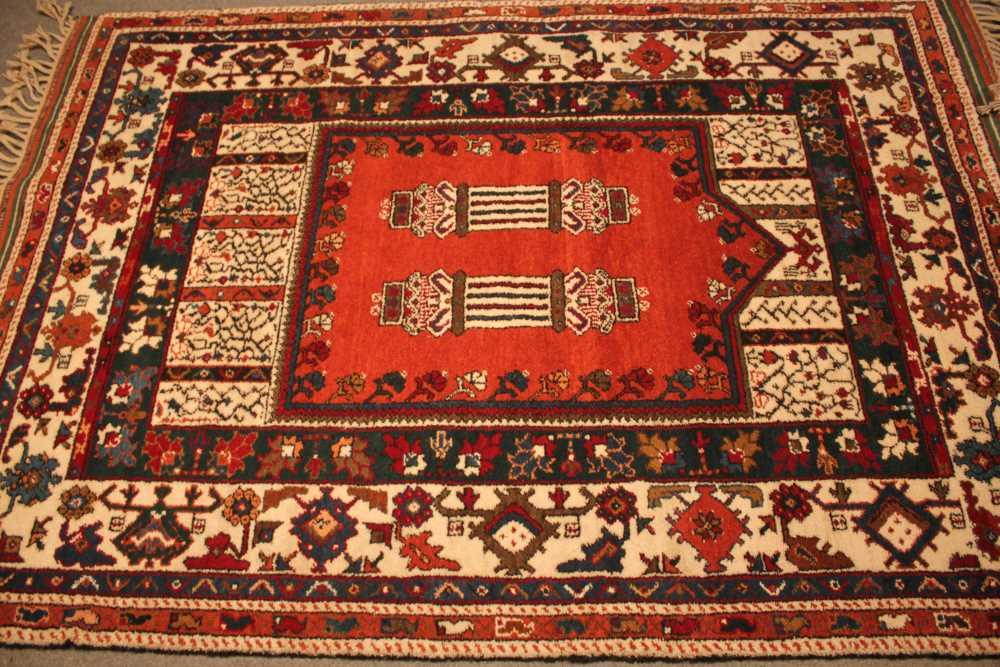
Dazkırı Carpet Design ( Culture Portal)
The color palette of these carpets reflects the general characteristics of traditional Turkish rug weaving. Red, blue, green, yellow, and beige tones are commonly used. The natural dyes employed to achieve these colors demonstrate an environmentally conscious production approach and preserve traditional techniques linked to the region’s heritage.
Dazkırı carpet weaving has long served as an important source of livelihood for the local population. This production activity, centered on domestic female labor, has contributed significantly to household incomes and played a decisive role in rural development. Although handwoven carpet production has experienced a decline due to the influence of modern manufacturing techniques, Dazkırı carpets continue to be preserved as cultural treasures and are supported by local development initiatives.

Historical Development and Geographic Spread
Technical Characteristics
Design and Motif Features
Color Usage
Socio-Economic Importance