


This article was automatically translated from the original Turkish version.
+1 More
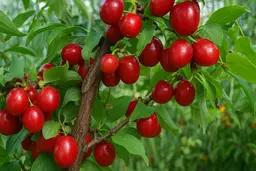
(Yapay zeka ile oluşturulmuştur)
Devrek Kireni is a local sour cherry variety belonging to the species Prunus cerasus L. cultivated in the Devrek district of Zonguldak Province in Türkiye. This product is defined by its natural variation developed under the region-specific climate and soil conditions. Devrek Kireni is characterized by high acidity, intense aromatic compounds, and a distinctive taste profile. The fruit is consumed both fresh and in various processed forms, serving as a raw material for diverse products in the food industry.

Devrek Kireni tree (generated by artificial intelligence)
The Devrek Kireni tree has a spreading crown structure. Its fruits are round, small (approximately 1–2 cm in diameter), and have a dark red skin. The flesh is firm, adheres to the stone, and has high water content. The kireni trees naturally growing in the region can be cultivated without chemical pesticides or fertilizers and exhibit growth well adapted to the local humid climatic conditions. Harvesting typically occurs between late June and early July.
An application for geographical indication registration of Devrek Kireni was submitted by the Devrek Chamber of Commerce. The application, numbered C2019/109, was filed on 28 August 2018. Following the evaluation process, the product was officially registered on 21 December 2022 under registration number 1299 as a "Geographical Indication." The registered address is Eski Mah. Zonguldak Asfaltın Cad. No:1 Devrek, Zonguldak.
The production process of Devrek Kireni is based on traditional agricultural practices and low-input methods. The key stages of this methodology are summarized below:
Seedlings of kireni propagated through local selection are cultivated in orchards suited to Devrek’s climate. Planting is generally carried out in autumn or early spring. The average spacing between trees is 4–6 metres.
Soil management is performed through light surface weeding. Chemical fertilizers are not used; instead, farmyard manure and natural compost materials are applied to support growth. This method ensures the product meets the standards required for geographical indication status.
Water requirements for kireni production are limited. The natural water cycle driven by rainfall is generally sufficient. In periods of drought, drip irrigation is preferred.
Formative pruning is applied annually during winter months to ensure healthy tree development. Pest and disease control is conducted using biological methods; chemical pesticide use is prohibited under geographical indication regulations.
Harvesting is carried out manually with care when the fruits reach optimal ripeness. The harvested fruits can be sold directly for fresh consumption or allocated for processing into dried products, jams, frozen goods, or vinegar.
Collected fruits are stored briefly in cold storage facilities to prevent quality loss. Fruits destined for food products are processed by cooperatives or local enterprises according to traditional recipes or food regulations.
This production method is grounded in environmentally sensitive and sustainable agricultural principles and also contributes to the preservation of local knowledge.
Historically, the people of the region have consumed Devrek Kireni processed as jam, marmalade, vinegar, fruit juice, and dried products. Recent studies have expanded its use in the processed food sector, where it is now employed in sorbets, ice cream, and natural fruit-based desserts. The fruit’s rich content of phenolic compounds and antioxidants enables its classification as a functional food. Additionally, its potential is supported within circular economy frameworks through production models that minimize food waste.
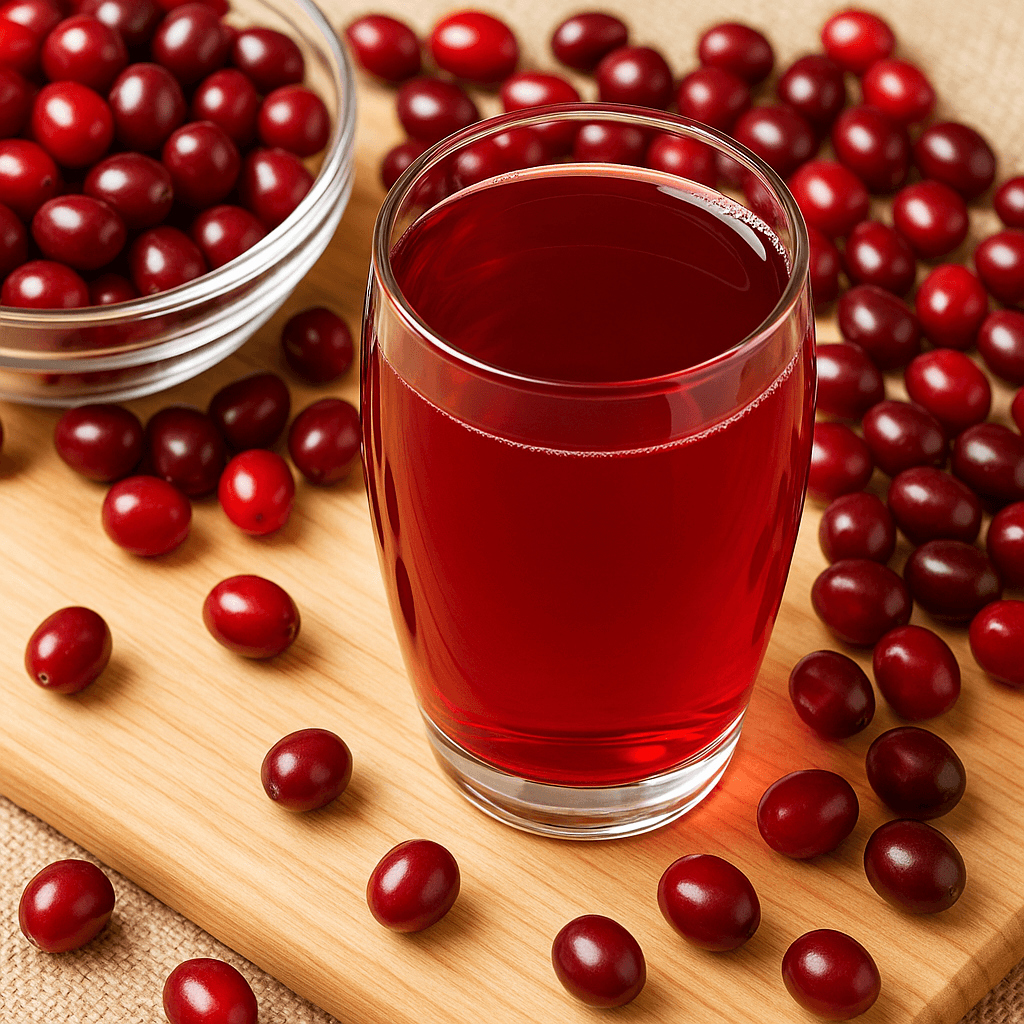
Fruit juice made from Devrek Kireni (generated by artificial intelligence)
The wood of the kireni tree is also utilized functionally. Due to its hardness, fine grain structure, and workability, it is used in the production of distinctive sticks specific to Devrek district. Sticks made from kireni wood are crafted using traditional artisanal methods and provide an ideal raw material for curved designs. This use demonstrates that the product contributes not only to agriculture but also to the local economy through craftsmanship.

Devrek stick made from Devrek Kireni wood (generated by artificial intelligence)
Devrek Kireni holds an important place in small-scale agricultural production, primarily cultivated by family enterprises and agricultural development cooperatives. Its processing and market introduction contribute to rural development and local economic diversity. Furthermore, the product is promoted at various cultural events and supports the expansion of Devrek district’s economic profile.
Devrek Ticaret of Commerce and Industry. "Devrek Kireni Meyvesi." Devrek Chamber of Commerce and Industry. Accessed July 14, 2025. https://www.devrektso.org.tr/Portals/193/RAPORLAR/Di%C4%9Fer%20Raporlar/Devrek%20Kiren%20Meyvesi%20Raporu-2024.pdf.
Kazkondu, İhsan. “Tarımsal Kalkınma Kooperatifinde Üretim Sürecinde Oluşan Fonksiyonel Gıda Atıklarından Döngüsel Ekonomi Kapsamında Ürün Geliştirme: Devrek Kireni Sorbesi ve Devrek Kireni Dondurması Örneği.” 3. Sosyal Sektör Ekonomi Dergisi. Accessed July 14, 2025. https://www.researchgate.net/publication/390007947.
Turk Patent and Trademark Office. "Devrek Kireni." Turk Patent and Trademark Office. Accessed July 14, 2025. https://ci.turkpatent.gov.tr/cografi-isaretler/detay/823.
Western Black Sea Development Agency. "Devrek Kireni." *BAKKA*. Accessed July 14, 2025. https://www.bakab.gov.tr/devrek-kireni/.

(Yapay zeka ile oluşturulmuştur)
Botanical Characteristics and Growing Environment
Geographical Indication and Production Area
Production Method
Seedling Acquisition and Planting
Soil Management and Fertilization
Irrigation
Pruning and Maintenance
Harvesting
Storage and Processing
Use in the Food Industry
Use in Stick Production
Economic and Socio-Cultural Significance