+1 More

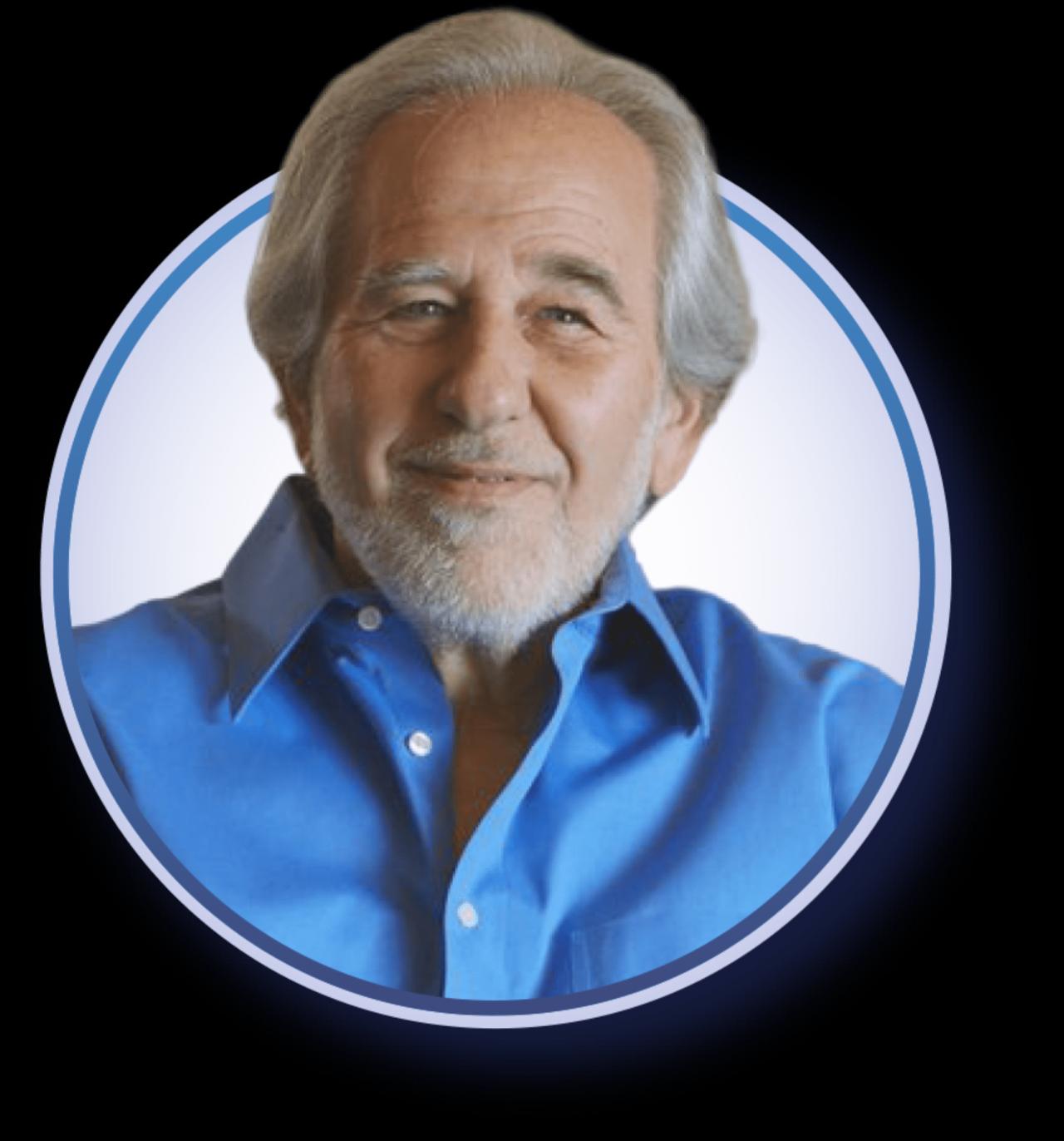
Dr. Bruce H. Lipton is a scientist internationally recognized for his work in cell biology. The success of his book The Biology of Belief has been the most significant factor in bringing him to a wide public audience. Throughout his scientific career, Lipton has examined the molecular structure of the cell, challenged traditional views on the relationship between genetics and environmental factors, and developed a perspective he calls the “new biology.”
After completing his doctoral studies at the University of Virginia, Lipton began his research in 1973 at the Department of Anatomy at the University of Wisconsin School of Medicine. As a cell biologist, he initially adhered to the conventional view that DNA and genetics play a decisive role in human life. During this period, the prevailing belief in scientific circles was that genetic factors dominated over environmental influences.
Starting in 1982, Lipton turned his focus toward applying principles of quantum physics to cellular processes. His research demonstrated that the cell membrane, not the nucleus, is the primary structure governing cellular functions. These findings led him to question the notion that biology is controlled solely by genes.
In 1985, following intense personal challenges, Lipton left his position at the University of Wisconsin and began teaching in the Caribbean. The observations he made there provided him with a different perspective on nature’s cooperative functioning, prompting him to question the Darwinian view of life as a competitive struggle. He developed the idea that cells are regulated by environmental signals and reevaluated his scientific teachings.
Between 1987 and 1992, his research at Stanford University School of Medicine showed that changes in the cell membrane can turn genes on and off. These studies helped pioneer the emerging field of epigenetics, which investigates the role of environmental factors in genetic expression.
Lipton’s work directly opposes the notion that genes absolutely control life. His “new biology” approach defines the cell membrane as the primary structure that responds to environmental signals and regulates cellular functions. This perspective rejects genetic determinism and argues that the environment, mental processes, and energy fields can influence biology.
Lipton draws connections between quantum physics and biology, emphasizing how invisible energy fields affect living organisms. He contends that the traditional Newtonian understanding of biology is inadequate and asserts that the mind and consciousness play an active role in bodily processes. Within this framework, he highlights the importance of the placebo effect and energy psychology in biological healing.
According to Lipton, the subconscious mind operates far more effectively than the conscious mind and determines the majority of our behaviors. Changing negative or limiting beliefs stored in the subconscious can significantly improve an individual’s quality of life. He argues that awareness, hypnotherapy, and energy psychology methods can be effective tools for this transformation.
Dr. Lipton’s book The Biology of Belief presents a scientific and practical challenge to genetic determinism. It explains findings from epigenetics, explores how cells are regulated by environmental influences, and examines the role of consciousness in these processes. Lipton also provides guiding insights on the impact of beliefs in parenting and child development.
Dr. Bruce H. Lipton’s research has transformed traditional approaches to the interaction between genetic structure and environmental factors and has contributed to the development of epigenetics. His “new biology” asserts that humans have the potential to change their biology, with the mind and consciousness playing a central role in this process. This perspective provides a scientific foundation for the idea that individuals can exert greater control over their health and quality of life.
Lipton, Bruce H. *Interview with Author*. BruceLipton.com. Accessed August 19, 2025. https://www.brucelipton.com/sites/default/files/pdf/media/InterviewWithAuthorPDF.pdf
Lipton, Bruce H. *Long Bio*. BruceLipton.com, 2012. Accessed August 19, 2025. https://www.brucelipton.com/sites/default/files/pdf/media/LongBio.doc2012%20headerPDF.pdf
Lipton, Bruce H. “Interview with Author.” YouTube video. Accessed August 19, 2025. https://www.youtube.com/watch?v=plpM3CMDN48&feature=youtu.be
Lipton, Bruce H. “Interview: Bruce.” *Planeta Magazine*, part 1. BruceLipton.com. Accessed August 19, 2025. https://www.brucelipton.com/resource/interview/interview-bruce-planeta-magazine-part-one
Lipton, Bruce H. “Interview: Bruce.” *Planeta Magazine*, part 2. BruceLipton.com. Accessed August 19, 2025. https://www.brucelipton.com/resource/interview/interview-bruce-planeta-magazine-part-2
Lipton, Bruce H. “Interview: Bruce.” *Planeta Magazine*, part 3. BruceLipton.com. Accessed August 19, 2025. https://www.brucelipton.com/resource/interview/interview-bruce-planeta-magazine-part-3

No Discussion Added Yet
Start discussion for "DR. BRUCE H. LIPTON" article
Academic Career and Early Work
Personal Experiences and New Approaches
New Biology and Epigenetics
The Mind, Subconscious, and the Role of Beliefs
Books and Widespread Influence
Turkish Books:
English Books: