


This article was automatically translated from the original Turkish version.
+2 More
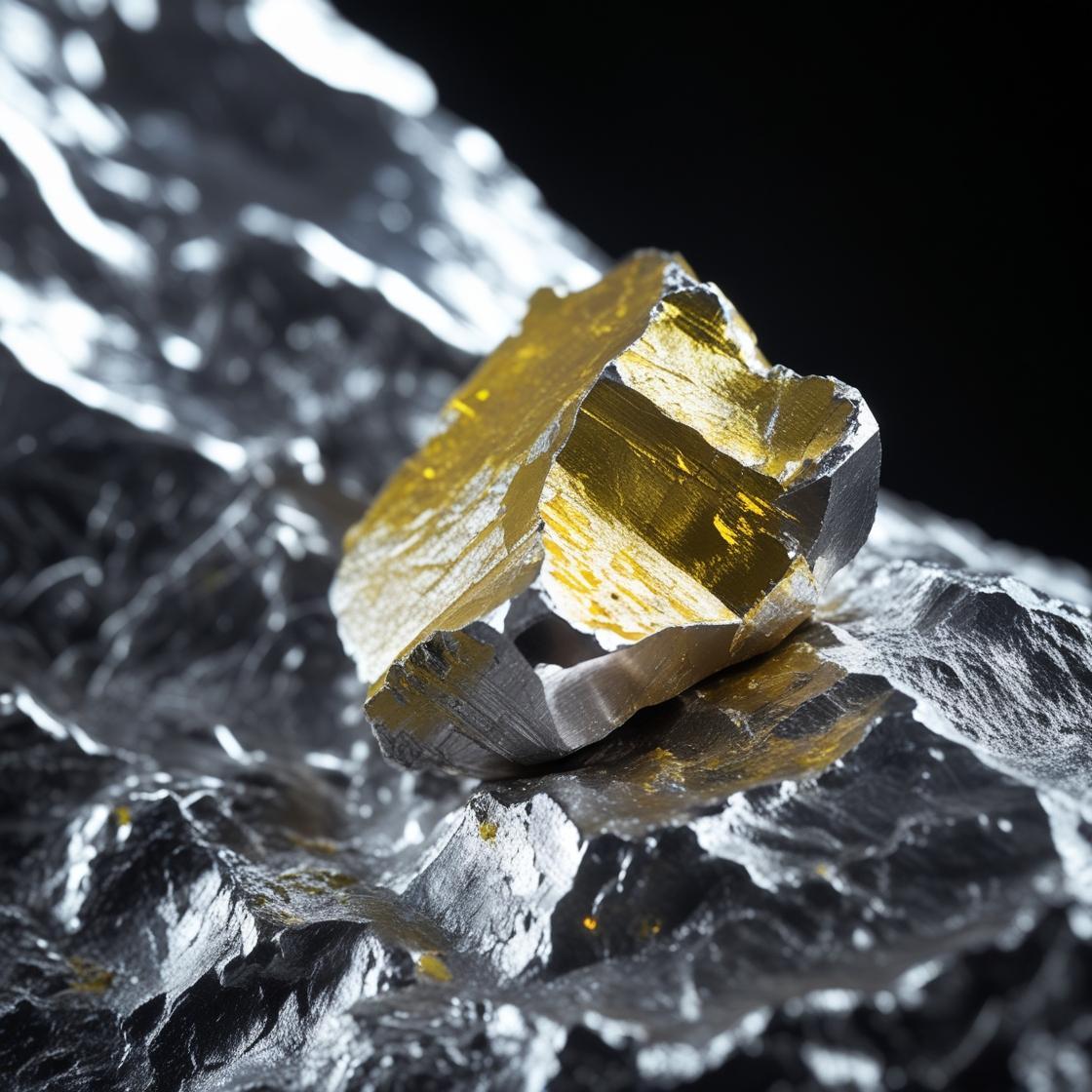
Dysprosium
Periodic Table | 6 | ||||||||
|---|---|---|---|---|---|---|---|---|---|
Chemical Symbol | Dy | ||||||||
Atomic Number | 66 | ||||||||
Group | Lanthanides | ||||||||
Atomic Weight | (162.500) g/mol | ||||||||
Electron Configuration | [Xe] 4f¹⁰6s² | ||||||||
Density | 8.55 g/cm³ | ||||||||
Melting Point | 1412 °C | ||||||||
Boiling Point | 2567 °C | ||||||||
Atomic Radius | ~231 pm | ||||||||
Electronegativity | 1.22 | ||||||||
Electron Affinity | Sciences | ||||||||
Important Isotopes | ¹⁶⁴Dy (natural, stable) | ||||||||
Year of Discovery(ies) | 1886 | ||||||||
Discoverer(s) | Paul-Émile Lecoq de Boisbaudran | ||||||||
Etymology(s) | Greek "dysprositos" (difficult to obtain) | ||||||||
Dysprosium is a bright, silvery metal with atomic number 66, belonging to the lanthanide series. It was discovered in 1886 by French chemist Paul-Émile Lecoq de Boisbaudran and named after the Greek word "dysprositos," meaning "difficult to obtain." It is particularly known for its use in manufacturing high-temperature resistant strong magnets and in nuclear reactors.
Dysprosium (Dy) is an element located in the sixth period of the periodic table within the lanthanide group. Its electron configuration is [Xe] 4f¹⁰6s². It exhibits typical metallic properties of lanthanides and exists as a solid at room temperature. It is relatively soft, though not soft enough to be cut with a knife, and can be easily machined. Its density is approximately 8.55 g/cm³. Dysprosium reacts readily with water and air.
Dysprosium was discovered in 1886 in Paris by French chemist Paul-Émile Lecoq de Boisbaudran. Boisbaudran successfully isolated dysprosium oxide from a sample of holmium oxide, which was then known as holminium. Isolating the element in pure metallic form proved extremely difficult; as with many other rare earth elements, this was only achieved in the mid-20th century using advanced techniques such as ion-exchange chromatography and metallothermic reduction. Details exist of Boisbaudran conducting repeated experiments using fragments of marble he chipped from his fireplace mantel.
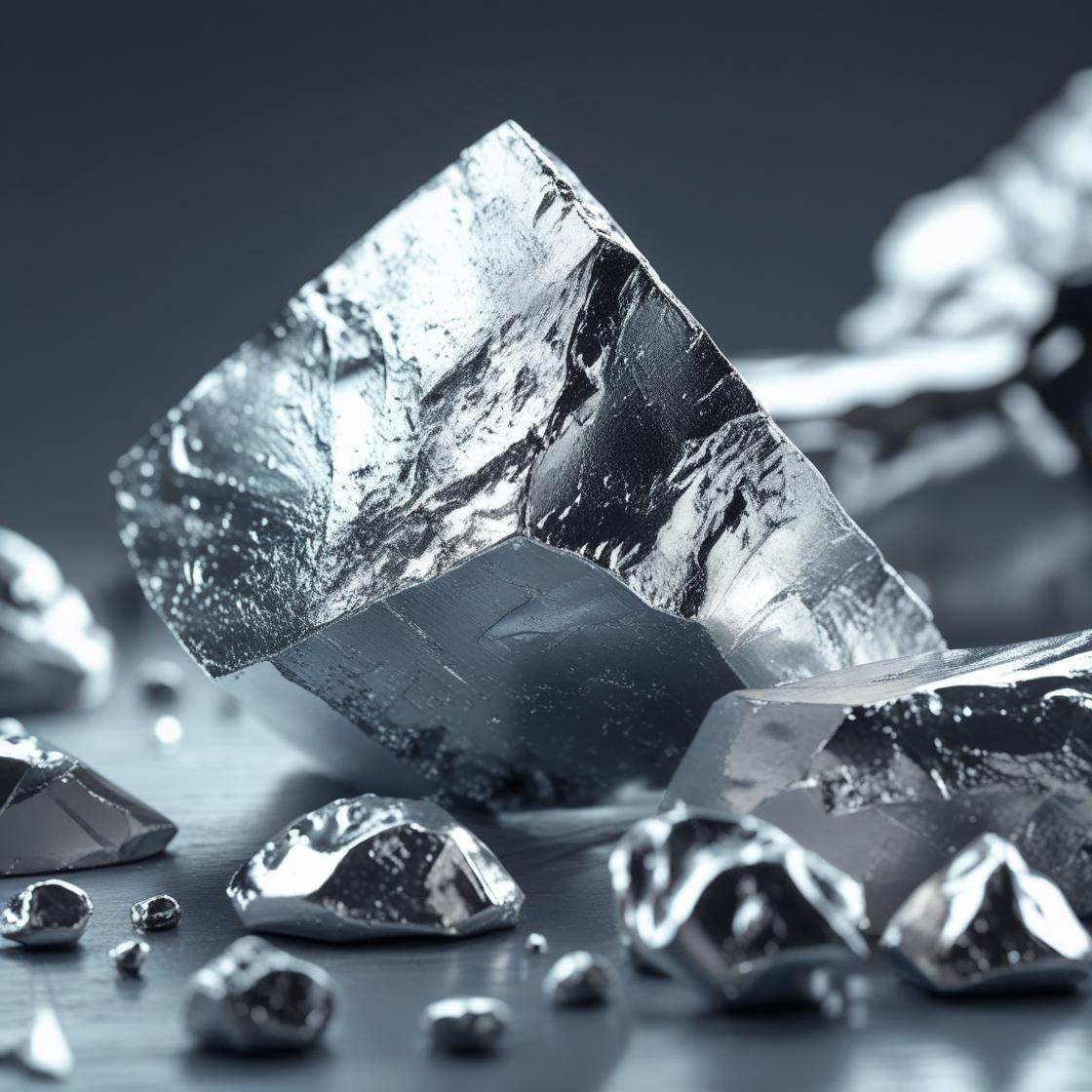
Dysprosium (Generated by Artificial Intelligence)
The name dysprosium was derived by its discoverer Paul-Émile Lecoq de Boisbaudran from the Greek word "dysprositos" (δυσπρόσιτος), meaning "difficult to obtain" or "hard to access." This name reflects the considerable difficulty experienced at the time in separating dysprosium from other rare earth elements and obtaining it in pure form.
Dysprosium occurs alongside other lanthanide elements in various minerals, particularly in rare earth minerals such as monazite and bastnäsite. It can also be found in minerals like xenotime, fergusonite, and gadolinite. Its abundance in the Earth's crust is moderate, comparable to that of tin or cobalt. Commercially, it is separated from other lanthanides during mineral processing using methods such as ion exchange and solvent extraction.
Dysprosium has a bright, metallic silvery appearance. Its melting point is 1412 °C and its boiling point is 2567 °C. Its atomic radius is approximately 231 pm and its electronegativity value is 1.22. It is a highly reactive metal; in air it slowly oxidizes to form a yellowish oxide layer and is flammable, especially in powder form. It reacts slowly with water, more rapidly with hot water, releasing hydrogen gas. It dissolves readily in dilute acids. The most common and stable oxidation state in its compounds is +3. Dysprosium exhibits strong ferromagnetic properties, particularly at low temperatures.
Dysprosium has seven naturally occurring stable isotopes: ¹⁵⁶Dy, ¹⁵⁸Dy, ¹⁶⁰Dy, ¹⁶¹Dy, ¹⁶²Dy, ¹⁶³Dy, and ¹⁶⁴Dy. The isotope ¹⁶⁴Dy is noted as significant in the source. Many radioactive isotopes have also been synthesized artificially.
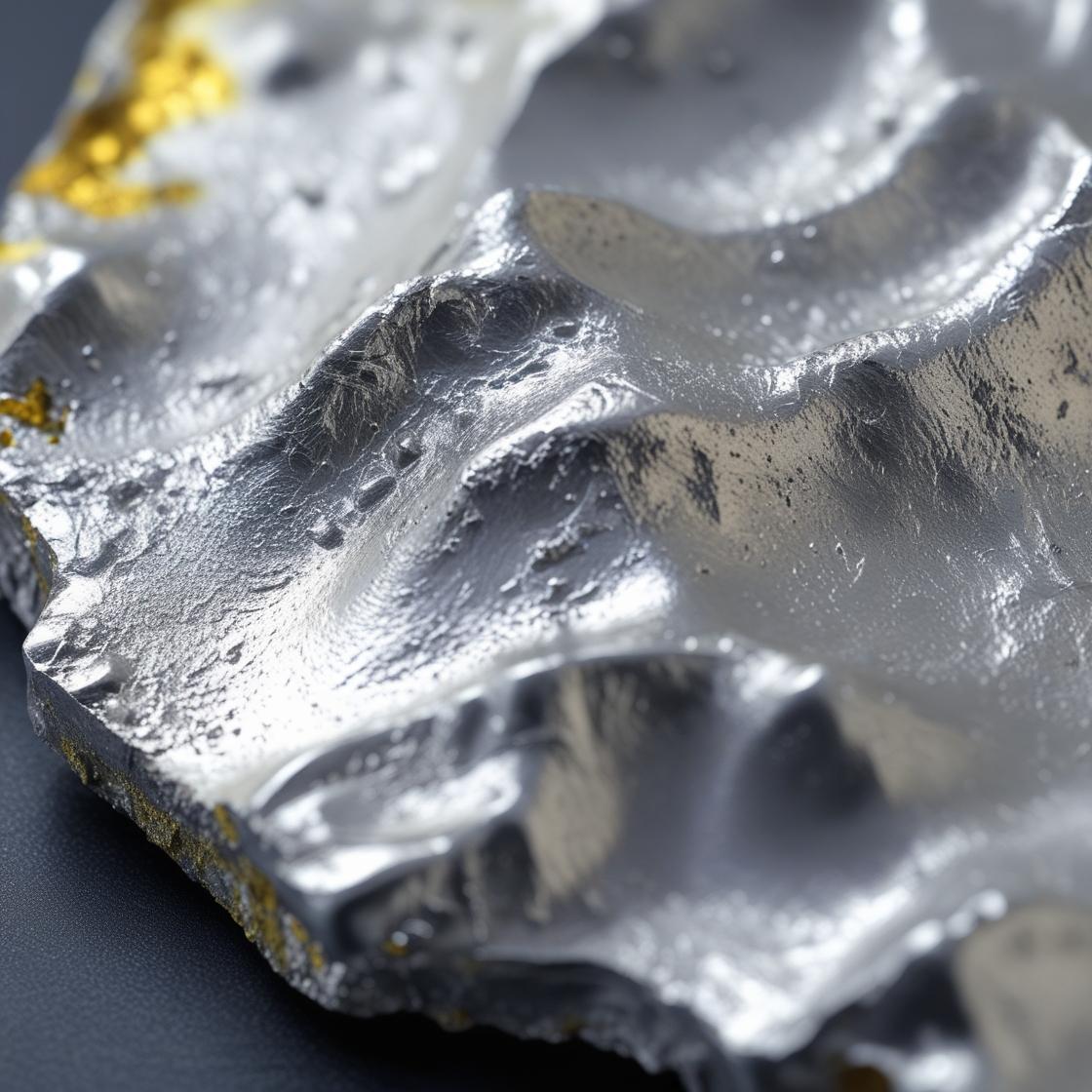
Dysprosium (Generated by Artificial Intelligence)
The most important applications of dysprosium stem from its unique magnetic properties and interaction with neutrons:
Dysprosium has no known biological role. It is considered mildly toxic. Ingestion or inhalation of soluble dysprosium salts may cause mild toxic effects. Like other reactive metals, dysprosium powder poses a fire hazard, particularly when finely divided. Standard laboratory safety precautions are recommended when handling dysprosium and its compounds.
National Center for Biotechnology Information. "Dysprosium." *PubChem Compound Database*. Accessed May 31, 2025. https://pubchem.ncbi.nlm.nih.gov/compound/23912.
TÜBİTAK Bilim Genç. "Disprosyum." *Bilim Genç*. Date Published: January 14, 2021. Accessed May 31, 2025. https://bilimgenc.tubitak.gov.tr/periyodik-tablo/disprosyum.

Dysprosium
Periodic Table | 6 | ||||||||
|---|---|---|---|---|---|---|---|---|---|
Chemical Symbol | Dy | ||||||||
Atomic Number | 66 | ||||||||
Group | Lanthanides | ||||||||
Atomic Weight | (162.500) g/mol | ||||||||
Electron Configuration | [Xe] 4f¹⁰6s² | ||||||||
Density | 8.55 g/cm³ | ||||||||
Melting Point | 1412 °C | ||||||||
Boiling Point | 2567 °C | ||||||||
Atomic Radius | ~231 pm | ||||||||
Electronegativity | 1.22 | ||||||||
Electron Affinity | Sciences | ||||||||
Important Isotopes | ¹⁶⁴Dy (natural, stable) | ||||||||
Year of Discovery(ies) | 1886 | ||||||||
Discoverer(s) | Paul-Émile Lecoq de Boisbaudran | ||||||||
Etymology(s) | Greek "dysprositos" (difficult to obtain) | ||||||||
Classification and Basic Properties
Discovery
Origin of the Element's Name
Natural Occurrence
Physical and Chemical Properties
Isotopes
Applications
Biological Importance/Effects and Precautions