This article was automatically translated from the original Turkish version.
+1 More
Type of Geographical İndication | Mahreç Sign | ||||||||
|---|---|---|---|---|---|---|---|---|---|
Application Date | 17.09.2012 | ||||||||
Registration Number | 452 | ||||||||
Registration Date | 09.09.2019 | ||||||||
Product / Product Group(s) | Other products | ||||||||
Province(s) | Edirne | ||||||||
Applicant/Registrant(s) | Edirne Chamber of Commerce and Industry | ||||||||
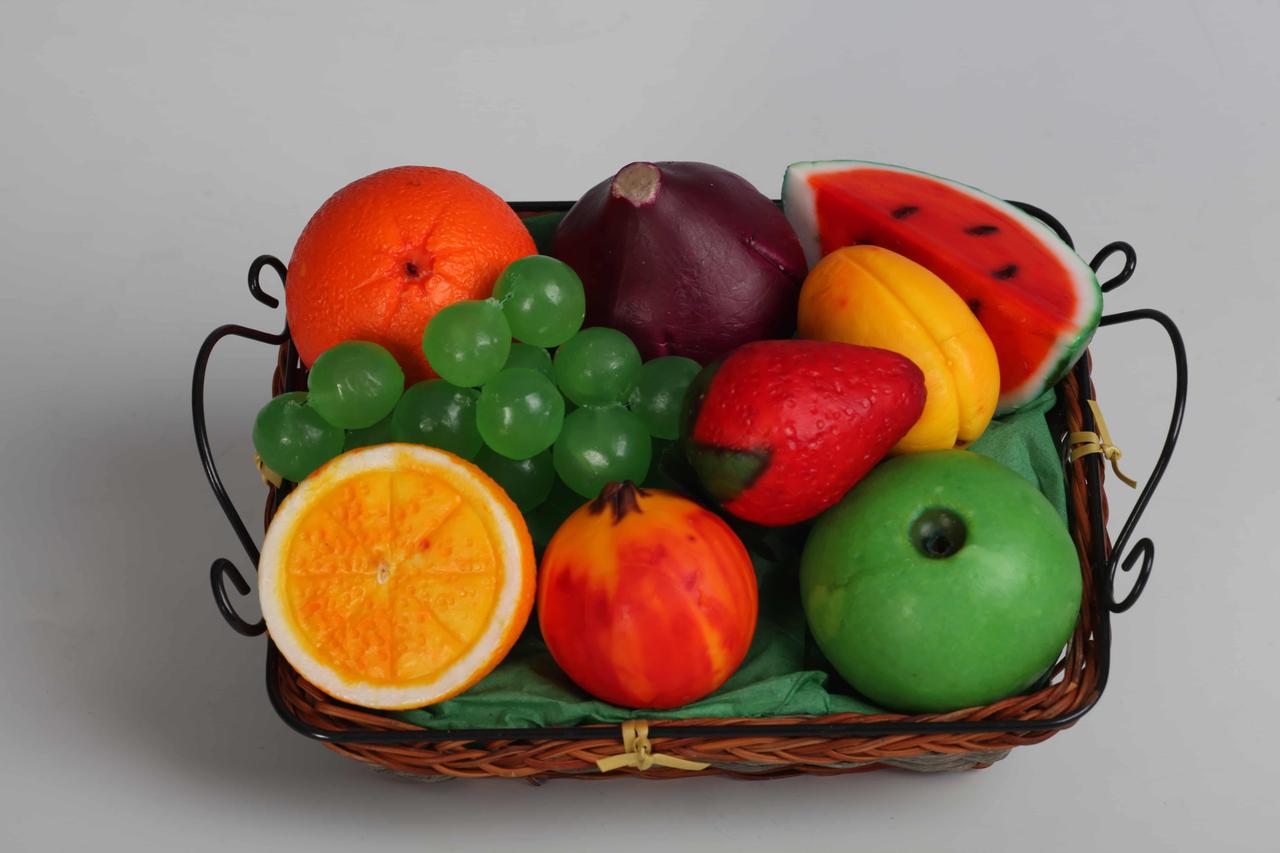
Edirne Mis Fruit Soap is a symbol of a soap-making tradition spanning from the Ottoman period to the present day. In the 1600s, soaps shaped in the Ottoman palace using ingredients such as musk, amber, and rose essence were produced in fruit forms and presented as valuable gifts to the palace and diplomatic elites. Their appearance in historical sources as “palace soap” and “sultan’s soap” reflects both the priority given to palace orders and the high sensitivity toward hygiene and presentation.

Edirne Mis Fruit Soap (AA)
Over time, these soaps evolved from mere cleaning tools into decorative objects distinguished by their three-dimensional forms, colors matching those of fruits, and fragrances. By the 19th century, fruit soap-making had become a widespread profession in Edirne, leaving its mark on local place names such as Sabuni Mahallesi.
Production declined between 1950 and 1990 but was revived in 2002 through initiatives by the Edirne Governorship and Trakya University. In 2019, it was officially registered as a geographical indication by the Turkish Patent and Trademark Office.
Edirne Mis Fruit Soap is produced using white and transparent soap bases, essences, food coloring, and decorative accessories. The raw material is scented with traditional essences such as musk and amber and hand-shaped. Natural decorative elements like cherry stems, cloves, and cinnamon powder contribute to the product’s unique character.
When not in contact with water, it can retain its appearance for 10 to 15 years. Thanks to this property, it is used decoratively in homes, offices, hotels, and shops. Its aesthetic form and fragrance transform the soap into a sensory object.
Production is based on traditional craftsmanship.
The produced soaps include varieties such as quince, lemon, banana, pomegranate, apple, grape, fig, strawberry, orange, and cherry.

Edirne Mis Fruit Soap (Encyclopedia of Tourism)
Edirne Mis Fruit Soap is produced exclusively within the province of Edirne. Due to its historical continuity, requirement of specialized craftsmanship, and identification with local values, all stages of production must take place in Edirne.
The monitoring board, coordinated by the Edirne Chamber of Commerce and Industry, consists of representatives from Trakya University, Edirne Public Education Center, and the Tourism Association. Regular and ad hoc inspections ensure compliance with the following criteria:
These controls aim to preserve traditional production values and ensure the sustainable quality of the product.
Anadolu Ajansı. “Edirne'den 'Mis' Gibi İhracat.” Accessed July 9, 2025. https://www.aa.com.tr/tr/ekonomi/edirneden-mis-gibi-ihracat/1272594.
Anadolu Ajansı. “‘Saray Sabunu’nu Dünyaya Pazarlıyor.” Accessed July 9, 2025. https://www.aa.com.tr/tr/ekonomi/saray-sabununu-dunyaya-pazarliyor/1015051.
Turkish Patent and Trademark Office. "Edirne Mis Meyve Sabunu." Geographical Indications Portal. Accessed July 9, 2025. https://ci.turkpatent.gov.tr/cografi-isaretler/detay/38078.
Türkiye Turizm Ansiklopedisi. Güler, Emel Gönenç. "Edirne Mis Meyve Sabunu." Accessed July 9, 2025. https://turkiyeturizmansiklopedisi.com/edirne-mis-meyve-sabunu.

Type of Geographical İndication | Mahreç Sign | ||||||||
|---|---|---|---|---|---|---|---|---|---|
Application Date | 17.09.2012 | ||||||||
Registration Number | 452 | ||||||||
Registration Date | 09.09.2019 | ||||||||
Product / Product Group(s) | Other products | ||||||||
Province(s) | Edirne | ||||||||
Applicant/Registrant(s) | Edirne Chamber of Commerce and Industry | ||||||||
No Discussion Added Yet
Start discussion for "Edirne Mis Fruit Soap" article
Distinctive Features
Production Method
Geographical Boundaries and Local Specificity
Monitoring and Protection