


This article was automatically translated from the original Turkish version.
+2 More
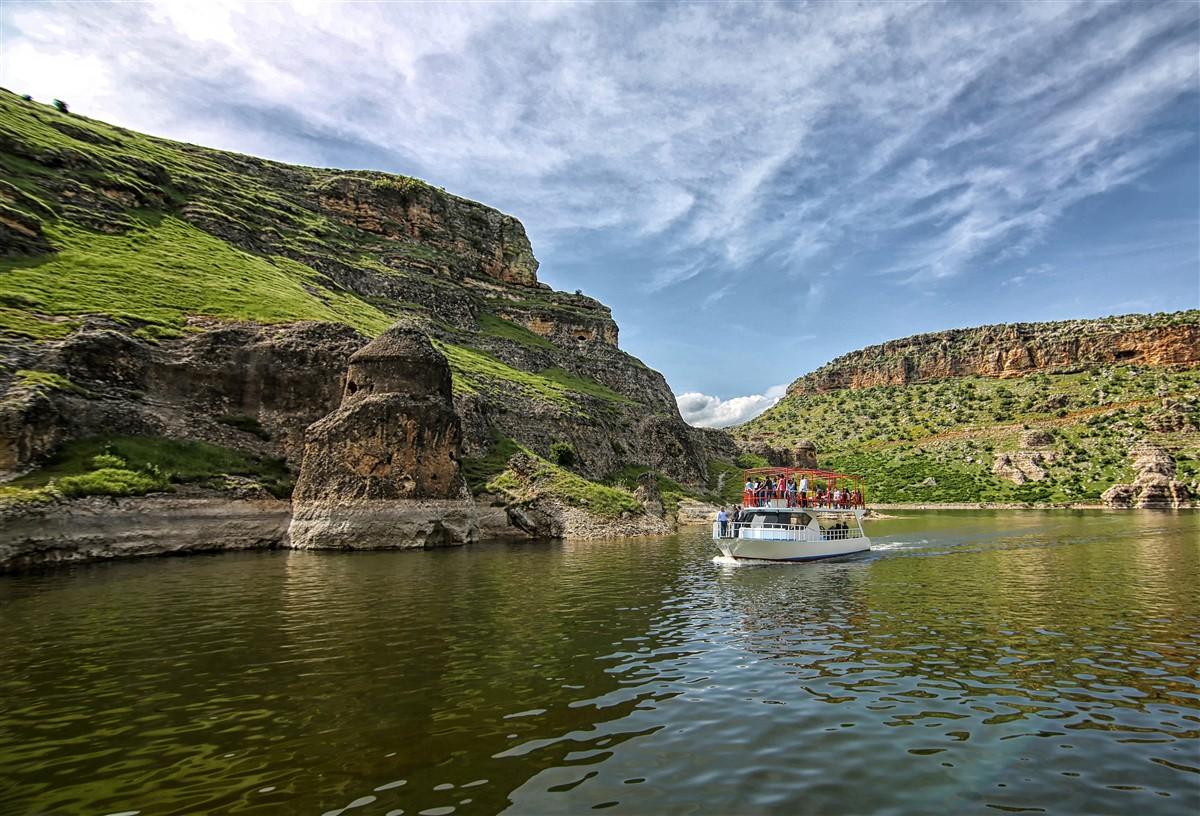
Asur Castle
Location | Diyarbakır Southeastern Anatolia Region Türkiye | ||||||||
|---|---|---|---|---|---|---|---|---|---|
District Status | 1987 (Diyarbakır's 12th district) | ||||||||
Geographical Features | On the edge of the Dicle Dam Lake, surrounded by valleys on three sides | ||||||||
Historical Past | Approximately 3,000 years | ||||||||
Construction | By the Assyrians (estimated 1260–606 BC) | ||||||||
Location and Structure | Carved into a single rock, used as shelter and storage | ||||||||
Features | Assyrian king figure and cuneiform inscription (attributed to Shalmaneser III) Cave and rock tombs Four tunnels | ||||||||
Historical Use | Shelter during the Huns-Byzantine wars (Eğilli Yuhanna, Church History) | ||||||||
Present Day | Archaeological excavations with permission from the Ministry of Culture and Tourism (Prof. Dr. Vecihi Özkaya) | ||||||||
Eğil Castle is a historical structure located on a hill dominating the district of Eğil in Diyarbakır. Built entirely on a single rock formation, it is surrounded on three sides by deep valleys and on the fourth side by carved outworks. The castle is believed to have been constructed during the Assyrian period. Spread over a large area, it was historically used as a refuge and storage facility. With its historical and archaeological significance, the castle is an important heritage site shedding light on the deep past of Southeastern Anatolia.
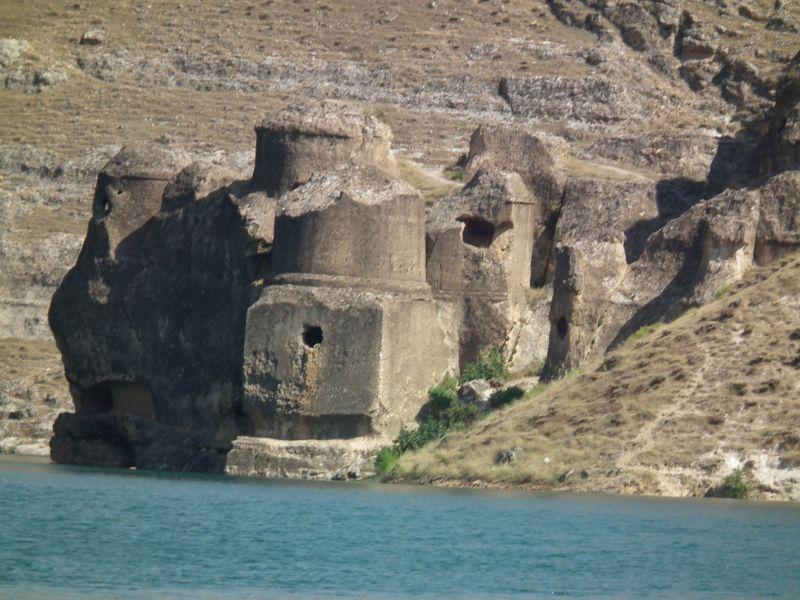
Diyarbakır Eğil Assyrian Castle (Dicle University)
The origins of Eğil Castle date back to the period of Assyrian dominance in the region between 1260 and 606 BCE. The castle, thought to have been built during this era, reflects the Assyrians’ mastery of stonework and architectural art. Numerous caves, tombs, and rock-cut graves surrounding the castle are believed to belong to Assyrian kings. To the west of the castle stands a stele and inscription attributed to King Shalmaneser III. Additionally, a figure of an Assyrian king accompanied by cuneiform script is present; although the inscription cannot be fully read, it is easily traceable and clearly visible on sunny afternoons. The coexistence of the cuneiform script and the royal figure strengthens the view that the castle was built by the Assyrians.
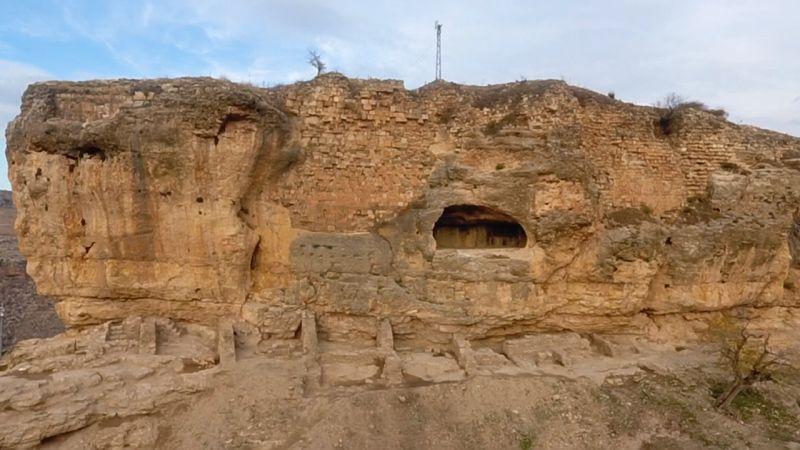
Diyarbakır Eğil Assyrian Castle (Dicle University)
The castle draws attention due to its strategic location and architectural features. Its interior, carved directly into a single rock mass, served as a refuge and storage space. Four tunnels, excavated from the rock, extend for meters from the castle to the adjacent valleys. These tunnels connect to the bed of the Tigris River and to a bathhouse and were used as escape routes during emergencies to conceal people from enemies. In Volume II of Yuhanna of Eğil’s work titled History of the Church, it is recorded that during the wars between the Huns and the Eastern Roman (Byzantine) Empire, local populations and soldiers took refuge in Eğil Castle. This highlights the castle’s strategic importance for defense.
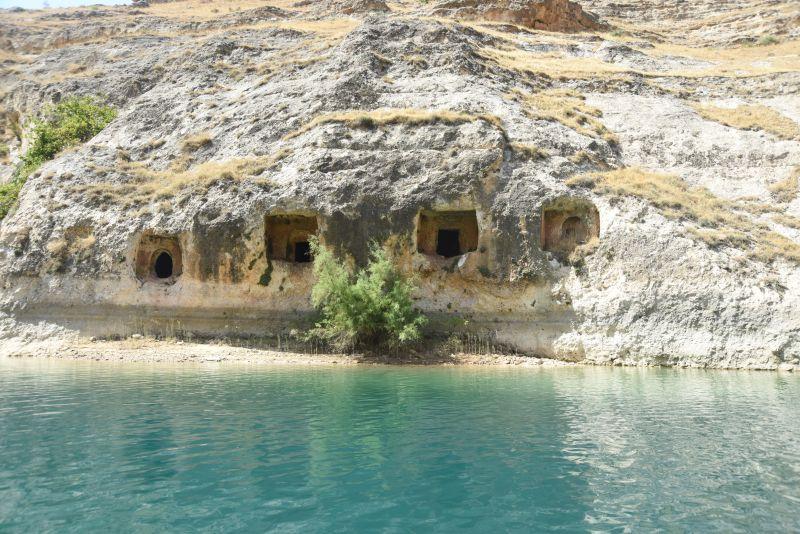
Diyarbakır Eğil Assyrian Castle (Dicle University)
Today, archaeological excavations at Eğil Castle continue under the authorization of the Ministry of Culture and Tourism. Led by Professor Dr. Vecihi Özkaya and his team, these efforts aim to better understand the castle’s history and structural characteristics. Findings from the castle and its surroundings document the Assyrians’ influence in the region and their architectural expertise.
Eğil Castle presents a significant example of Anatolian cultural history through its preserved walls, underground floors, and hidden passageways. However, due to damage caused by human activity, time, and natural erosion, the efforts to preserve and document this historical structure hold great scientific and touristic importance.
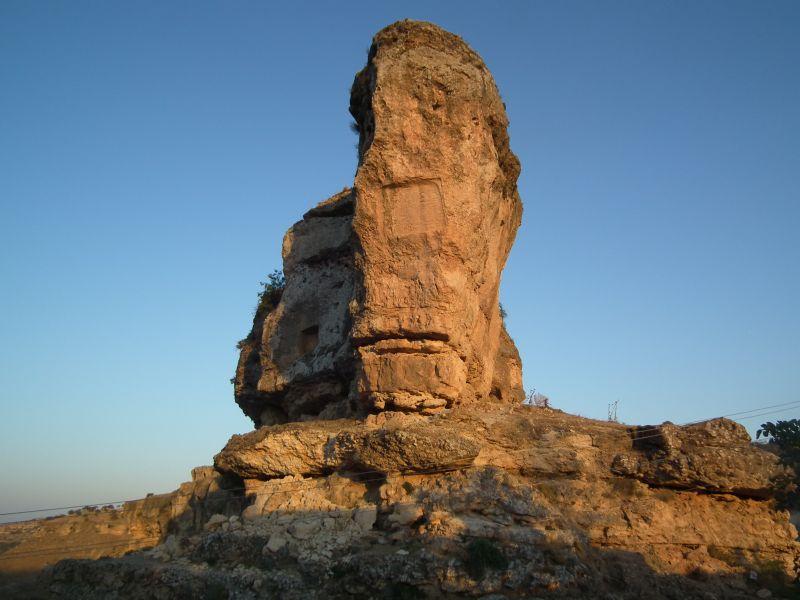
Diyarbakır Eğil Assyrian Castle (Dicle University)
Dicle Üniversitesi. "Eğil Kalesi Arkeolojik Çalışmaları." Accessed April 2, 2025.https://www.dicle.edu.tr/tr/birimler/arkeolojik-kazilarimiz/sayfalar/egil-kalesi-arkeolojik-calismalari-9939
Diyarbakır Kültür Turizm. "Eğil Asur Kalesi." Accessed April 2, 2025.https://diyarbakirkulturturizm.org/Yapit/Details/ILCELER/44/Egil-Asur-Kalesi/259
Diyarbakır Valiliği. "Eğil Asur Kalesi." Accessed April 2, 2025.http://diyarbakir.gov.tr/egil-asur-kalesi

Asur Castle
Location | Diyarbakır Southeastern Anatolia Region Türkiye | ||||||||
|---|---|---|---|---|---|---|---|---|---|
District Status | 1987 (Diyarbakır's 12th district) | ||||||||
Geographical Features | On the edge of the Dicle Dam Lake, surrounded by valleys on three sides | ||||||||
Historical Past | Approximately 3,000 years | ||||||||
Construction | By the Assyrians (estimated 1260–606 BC) | ||||||||
Location and Structure | Carved into a single rock, used as shelter and storage | ||||||||
Features | Assyrian king figure and cuneiform inscription (attributed to Shalmaneser III) Cave and rock tombs Four tunnels | ||||||||
Historical Use | Shelter during the Huns-Byzantine wars (Eğilli Yuhanna, Church History) | ||||||||
Present Day | Archaeological excavations with permission from the Ministry of Culture and Tourism (Prof. Dr. Vecihi Özkaya) | ||||||||
No Discussion Added Yet
Start discussion for "Eğil Assyrian Castle" article
History and Construction
Structural Features
Archaeological Excavations