

This article was automatically translated from the original Turkish version.
Name(s) | Enfield Poltergeist Case | ||||||||
|---|---|---|---|---|---|---|---|---|---|
Event Location | London Enfield 284 Green Street | ||||||||
Time Period | early 1979 31 August 1977 | ||||||||
Victims | Billy Hodgson John Hodgson Janet Hodgson Margaret Hodgson Peggy Hodgson | ||||||||
Events | levitation "voice" phenomenon dampness/water accumulation bulb explosions brief flares door/drawer movements small object throws Rapping/scratching | ||||||||
Experimental Initiatives | Object location marking and sealing papers, time-stamped audio/photo recordings, micro-controllers (mouth closure - water holding), low-suggestibility sessions and random markings | ||||||||
The Enfield Poltergeist is a series of extraordinary events reported between late autumn 1977 and early 1979 in the home of the Hodgson family at 284 Green Street in the Enfield district of London. The case encompasses numerous phenomena including loud knocking sounds, object throwing, furniture movement, temporary water pooling, unexplained minor burns or flickers, and acoustic phenomena resembling human voices. These events were documented with sufficient frequency and variety to disrupt daily life and were observed at different times by the household members as well as neighbors, journalists, police officers, and paranormal researchers.
Documentary on the Enfield Case (BBC)
The case quickly gained prominence within paranormal research circles in England, particularly through the extensive field investigations conducted by Maurice Grosse, a member of the Society for Psychical Research (SPR), and the writer-researcher Guy Lyon Playfair. During the fieldwork, audio recordings, photographs, event logs, and visitor notes were systematically collected; reports and correspondence were later archived. The studies also focused on methodological aspects such as acoustic properties, physiological possibilities for the source of the voice, and the reproducibility of the phenomena.

Photograph of the House Where the Events Occurred (BBC)
The Enfield file has been debated in the literature along two main axes. On one side, it is regarded as a unique example among “documented paranormal cases” due to multiple witness accounts and extensive recorded material. On the other side, critics argue that the children occasionally resorted to trickery and that some visual and auditory findings could be explained by natural or psychosocial causes. This tension has made it difficult to provide a single explanation for all the phenomena. As a result, Enfield occupies a classic position as a case where both the cultural memory of paranormal narratives and the methodological debates surrounding evidence and its limits are jointly examined.
The case began when paranormal phenomena became visibly apparent in the daily life of the Hodgson family, who lived in a semi-detached, three-room municipal property built in the 1920s in the Enfield suburb of north London. The household consisted of divorced mother Peggy Hodgson (age 47) and her children Margaret (13), Janet (12), John (11), and Billy (7).
Peggy Hodgson was described by those close to the family as responsible and devoted to caring for her children; economic vulnerability served as a background factor affecting the household’s daily routine. The phenomena were largely concentrated in the children’s rooms and bedrooms, gradually spreading to other parts of the house over time.
The Enfield case quickly attracted public attention; local interest expanded into national press and media coverage. During this period, external observers—including neighbors, reporters/technicians, and police officers—witnessed various instances of the alleged phenomena on different dates. Early news material and visitor notes served as a starting point for researchers who later entered the field systematically.
The academic-research framework for the case was rapidly established by members of the Society for Psychical Research (SPR). Maurice Grosse, an SPR field observer, initiated the first regular investigations; shortly afterward, writer-researcher Guy Lyon Playfair joined the field team. During their fieldwork, diaries, visitor notes, photographs, and numerous audio recordings were accumulated. A significant portion of the field documentation was later transferred to institutional archives; the Enfield file is now accessible to researchers through correspondence and cataloged materials held at Cambridge University Library, alongside a distinct audiovisual collection.
In Playfair’s field account, it is noted that the real names of family members were partially replaced with pseudonyms to protect their privacy. While this practice made systematic matching of individuals and dates more difficult in primary narratives and subsequent independent evaluations, the overall sequence of events has been established as a verifiable chronology through archives and recordings.
The first unusual signs are dated to the end of summer 1977. The situation began with rhythmic knocking sounds and a dresser reported to be moving in the children’s room, soon expanding to include patterns such as bedcovers being pulled, small objects shifting position, and doors opening and closing spontaneously. In this early phase, the family, with the support of neighbors, contacted law enforcement and then local media, creating a chain of testimonies from external observers who noted the phenomena in the house.
From September 1977 onward, the case came under regular observation. Night vigils were held late into the night; the intensity of knocking sounds increased, and small stones and toys were recorded being thrown. After brief periods of calm, physical effects such as blankets and pillows being hurled, drawers opening, and a chair moving were reported, especially in the children’s room. Photographs were published in the press during this period, making the case visible on a national scale.
In the later weeks of autumn, the acoustic phenomenon referred to as the “voice” first became distinct. Initially described as occasional murmurs and guttural grunts, the sound soon evolved into clearer syllables and short phrases. During this phase, daily logs and audio recordings multiplied; visit times, witness names, and the duration and frequency of events were systematically recorded. In the same period, brief flame-like flickers, moisture formation, and disruptions to electrical appliances were reported on some nights.
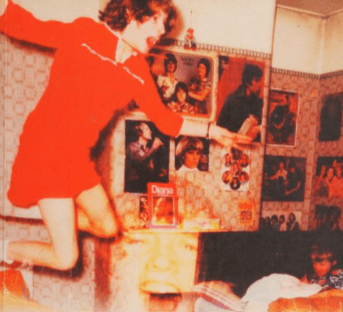
Observations reached their peak between late 1977 and the first half of 1978. Researchers attempted simple tests and limited experimental setups during specific time intervals to create controllable conditions; notes were taken on the voice’s continuity, energy level, and triggers. Behaviors by the children that suggested mischief or playfulness were also recorded; these findings were marked separately in the case file. During this time, certain moments associated with claims of levitation were attempted to be documented through photographs and witness accounts; however, interpretations of the images remained controversial.
From mid-1978 onward, the intensity and frequency of events became irregular. Long silent periods were followed by isolated, brief effects. The “voice” phenomenon disappeared on some days and reappeared briefly on others. Researchers and external observers increased archival and correspondence activity to compare reports and assess consistency; classification of the material became more pronounced during this phase.
From late 1978 to early 1979, the phenomena diminished and gradually merged into sporadic minor incidents within daily life. Night vigils and regular visits decreased; final evaluations, summary reports, and archival catalog entries were added. Thus, the case entered a closing phase marked by low-frequency isolated reports following an intense field period and extensive documentation. This closure formed the foundation for later evaluations and archival studies.
The reported phenomena during the case can be grouped into several main categories based on their nature and intensity. The most frequently reported are rhythmic knocking or tapping sounds and the short-distance movement of small objects. Numerous observational notes describe lightweight items such as toys, stones, and pens being thrown across rooms; pillows, blankets, and curtains being pulled; and drawers and doors opening and closing abruptly. Less frequently, physical effects such as water pooling, moisture formation on walls or floors, sudden brief flickers, bulb explosions, or unexpected failures of electrical devices are also documented.
Photographs and witness accounts associated with the term “levitation,” suggesting that one of the children was lifted from the bed, constitute a controversial subcategory; differing interpretations have been recorded regarding the images’ context, conditions at the time of capture, and the nature of the movement. Rarely, written messages or small objects allegedly appearing after displacement (similar to apport phenomena) are mentioned in the file; however, it is noted that the level of control for these examples was low.
Acoustic phenomena form a distinct category of intensity. Initially described as murmurs and single-syllable utterances, the phenomenon soon developed into a coarse, deep-toned voice resembling an adult male, capable of forming fragmented sentences. Physiological explanations such as the use of false vocal cords (plica ventricularis) or ventriloquism were evaluated at various times; observers conducted simple control attempts such as covering the mouth or holding water to determine whether the voice persisted.
The results of these attempts yielded an inconsistent picture; the voice’s continuity, intensity, and triggering contexts varied from day to day. Temporally, the phenomena mostly clustered in the evening and nighttime hours, with sudden intensifications following periods of calm. Spatially, the phenomena were concentrated in the children’s rooms and upper floor, though brief effects were also reported in corridors and the living room.
The diversity of witnesses—family members, neighbors, researchers, media personnel, and police officers—suggests that the phenomena were observed in different contexts; conversely, the lack of reproducibility and full control for each subtype, along with the limitations of field conditions on measurement and recording quality, defines the general methodological framework of the case file.
The fieldwork was conducted from the outset with a multi-layered documentation system. Daily observations were recorded in event logs containing time and location details, along with visitor registers; the names, positions, and duration of exposure of each witness present during each entry were noted. These written records were supported by simple floor plans indicating spatial arrangements within the house; separate columns were created for specific phenomena (knocks, throws, “voice,” sudden moisture, brief flickers, etc.) to mark recurrence, duration, and accompanying conditions (lighting, time of day, number of people present).
Simultaneous audio recordings were diversified using ambient microphones, contact (contact) microphones, and in some experiments, laryngograph-like monitoring devices. Cassette tapes were labeled with reference tags including date, time, device model, tape speed, and corresponding log page numbers, enabling cross-verification between written and auditory material.
Visual documentation consisted mostly of fixed photographic shots and a limited number of motion images from press sources. Photo negatives or copies were annotated on the reverse side with frame numbers, shooting locations, and brief descriptions; suspicious or interpretively contested frames were marked with notations such as “requires review.” During experimental sessions, the positions of participants and equipment were fixed with front and back reference photographs to preserve contextual information for later analysis.
A portion of the audio recordings was partially transcribed into transcript files; in these transcripts, pauses, stress patterns, and sudden noise or interruptions were marked. In written materials, marginal notes were added when potential trickery or “uncontrolled conditions” were suspected; this annotation logic was later used for data cleaning in subsequent evaluations.
The archiving phase involved the triad of classification, indexing, and cataloging of collected material for institutional storage. Files were divided into main series such as “field diaries,” “visitor notes,” “equipment record forms,” “photographic negatives/copies,” “audio tapes,” and “internal correspondence/committee documents”; each unit received a catalog number and access description.
Records of different types pertaining to the same event—for example, a diary entry, a tape segment, and a photograph from November 14—were cross-referenced, enabling researchers to trace a single phenomenon across multiple channels. Storage conditions (temperature and humidity ranges) for magnetic tapes were defined, along with periodic re-playback and review procedures; a principle of safety copies was adopted for materials at high risk of degradation.
Access to institutional archives was organized through restricted, permission-based, and open layers based on research purpose, copyright, and data protection requirements; procedures such as reading room access and limited digital image provision were implemented upon request.
One of the most controversial components of the case is the acoustic phenomenon described as a rough, guttural voice resembling an adult male. Initially manifesting as murmurs and single-syllable utterances, the voice soon evolved into a form with a low fundamental frequency and limited articulation, capable of producing short phrases. Observers recorded the voice’s continuity and triggering patterns; in some sessions, it was noted that the voice appeared only near specific individuals and mostly during evening and nighttime hours, while in others it ceased entirely. This fluctuating pattern suggests the phenomenon is sensitive to both physiological and contextual conditions.
The technical aspect of the fieldwork developed around two main explanatory frameworks. The first posits that unusual laryngeal configurations such as false vocal cords (plica ventricularis) or “pressed/ventricular” phonation can produce sounds below the normal vocal range with a rough, gravelly timbre. In this framework, laryngograph-like monitoring devices and contact microphones were used in certain sessions to focus on the voice’s continuity, timbre, and syllabic patterns.
The second framework considers ventriloquism or advanced vocal/articulatory manipulation as a possible explanation. Simple control attempts were made in this direction: covering the mouth, holding water in the mouth, observing lip and jaw movements, and altering microphone positions. The results did not yield a consistent pattern; on some nights the voice persisted under restricted conditions, while on others it disappeared entirely.
Observations of acoustic properties indicate that the voice was characterized by notable thickness, limited formant variety, and often low syllabic distinction; the articulatory transitions expected in fluent speech were not consistently maintained. This could support the hypothesis of unusual laryngeal use, but it is also compatible with stage techniques and masked articulation.
From a physiological standpoint, prolonged phonation with this timbre would be expected to cause throat pain, constriction, or fatigue; field notes record that on some days the voice weakened quickly, while on others it persisted over longer intervals. This variability points to both the limits of muscular endurance and sensitivity to contextual factors such as attention, excitement, fatigue, ambient noise, and the number of observers.
The limitations of the recording-observation system are the primary cause of interpretive differences. Environmental conditions were never fully controlled at laboratory levels; microphone placement, reverberation, overlapping speech, and simultaneous physical events (knocks, throws) complicated analytical integrity. In some experimental sessions, observer-event interaction was evident: the “question-answer” method of summoning the voice could amplify suggestion and expectation effects.
Conversely, the fact that some independent witnesses heard the voice without seeing its source has provided grounds for assessments that the phenomenon cannot be explained solely as a single performance. This dual interpretation has rendered the “voice” the central yet unresolved component of the file.
The field team and external observers established a series of simple (yet minimally disruptive to daily life) experimental setups at various times to reduce issues of reproducibility and control. These initiatives, adapted to household conditions, can be grouped into three dimensions: recording physical phenomena and reducing the possibility of fraud, conditioning and monitoring the acoustic/“voice” phenomenon, and systematizing triggering contexts (time, person, location).
Objects reported to move were marked, their approximate coordinates on surfaces were measured, and initial and final positions were tabulated for displacement claims. For small objects (toys, stones, pens, etc.), “pre-event trays” were prepared; all lightweight items in a room were gathered on a single surface to facilitate recording of sudden throws. During night sessions, observers were stationed at room entry and exit points where possible; easily removable sealing papers were applied to doors and drawers to detect contact traces.
To address the controversial “levitation” claims, bed and window areas were fixed with front and back reference photographs; pre- and post-event frames were evaluated together. For floor and wall moisture and brief flickers, the principle of immediate photography and brief note-taking after the event was adopted; chemical sampling was not systematized due to constraints of household conditions and privacy.
Audio recordings were conducted through continuous monitoring with field microphones and event-triggered recordings. Cross-referencing between tape labeling (date-time-room-observer) and written log pages ensured that both auditory and written records of the same event were maintained together. In photographic documentation, especially for contested frames, “recording conditions” (shutter speed, flash use, distance) were noted briefly on the reverse side to aid future interpreters in contextual analysis. In some periods, simple timers were used for periodic shooting, but this practice failed to become continuous due to concerns over household privacy and children’s discomfort.
Although double-blind laboratory conditions were impossible, micro-controls adapted to field conditions were applied: covering the speaker’s mouth, holding water in the mouth, adding separate columns for facial and jaw movement observations, and altering microphone-participant distance were systematically tested on certain nights. In some sessions, question-answer sequences were conducted using randomized cues (e.g., pre-written numbers on a visible paper in the room), so that the voice’s alleged “access to external information” was not evaluated, only its articulation and continuity. Results did not yield a consistent pattern; on some nights the voice persisted under restricted conditions, on others it vanished entirely.
Observers noted that phenomena clustered most frequently during evening and nighttime hours and in upper rooms or children’s bedrooms; thus, vigils were concentrated in these periods. Household layout (who was where, whether doors were open or closed, lighting conditions) was recorded in a brief protocol line at the start of each session. Occasionally, low-suggestion sessions were conducted where phenomena were not discussed and ordinary activities such as games or reading were preferred; the relationship between event frequency and levels of attention or excitement was examined.
The house was not a laboratory: the placement of cameras and microphones, children’s privacy, neighbor noise, media pressure, and nighttime fatigue reduced the level of control. Observer-event interaction posed a significant risk; particularly question-answer frameworks could amplify suggestion and performance effects.
Equipment failures (tape breakage, battery depletion), flash delays, and inadequate lighting conditions hindered the recording of critical moments. Some entries noted possible mischief by the children; these notes were later categorized as “suspicious” during data cleaning.
The institutional backbone of the Enfield case was formed by internal investigations and committee procedures conducted within the Society for Psychical Research (SPR). In the early months, individual reports and visitor notes dominated; as the nature of the phenomena and public interest grew, a semi-formal committee structure was adopted to classify and evaluate observations. Within this framework, regular correspondence was established between the field team and London-based consultants; daily event logs, audio/photo recording transcripts, and “suspicion notes” were periodically sent to committee members.
The committee structure aimed to bring together diverse expertise. Technical opinions on acoustics and phonetics were sought; the possible physiological foundations of the “voice” phenomenon (e.g., use of false vocal cords) were evaluated alongside performative explanations (ventriloquism, masked articulation).
Photographs and “levitation” claims were examined alongside their shooting conditions and timestamps; some images were cataloged with cautious remarks due to insufficient context, possibilities of out-of-frame movement, or measurement gaps. For physical effects (knocks, throws, brief flickers, moisture), event locations and observer positions were marked on floor plans; distinctions were made between “direct sight–indirect hearing–inference from results” based on line of sight, distance, and obstructions.
Two principles emerged in institutional evaluations. First, the filtering principle: records suspected of fraud or lacking adequate control conditions were clearly marked and separated from the main body to avoid compromising evidentiary strength. Under this principle, nights suspected of mischief or containing conflicting testimonies were classified as “suspicious.” Second, the multi-source verification principle: evaluating the same event through multiple channels—written notes, audio recordings, independent witness statements, photographs—wherever possible. This method aimed to reduce interpretive uncertainty arising from single-source testimony.
The language of committee reports was generally cautious and analytical. In certain subgroups (particularly simple throws and knocks), it was noted that the possibility of everyday trickery could not be ruled out; conversely, specific sequences of events repeated across multiple observers and sessions—for example, knocks with unpredictable timing occurring independently of lighting or sound conditions, or the “voice” persisting briefly under specific micro-controls—were noted as not being explainable by a single hypothesis.
Thus, the committee presented a graded table based on evidentiary strength rather than an overall “verification” or “rejection”: strong, medium, weak, and suspicious categories. In internal correspondence, the influence of observer-event interaction (suggestion, expectation, fatigue, nighttime hours) on data quality was frequently emphasized. Consequently, subsequent sessions recommended low-suggestion flows, randomized cue systems, and simplified recording protocols.
From its early stages, the Enfield file has been criticized on grounds of fraud and performance. Skeptical interpretations cluster into three main lines: (i) the possibility of child-initiated mischief or play, (ii) the interpretability of visual and auditory records (particularly “levitation” photographs and “voice” recordings), and (iii) inadequacies in field controls and observer-event interaction. Notes acknowledging that the children occasionally engaged in mischief led skeptical literature to categorize the case as a “general hoax”; however, the research side classified these admissions under the filtering principle, assigning them to the “suspicious” category. Critics have urged focusing on the internal consistency of the evidentiary corpus rather than anecdotal claims that are difficult to access or verify; some commentators have emphasized the lack of independent repetition even in the file’s most compelling segments.
The most debated subset of visual records concerns the photographs associated with “levitation” claims. Skeptical readings argue that the body positions and movements along the bed-window axis visible in the frames can be explained by natural motor actions such as jumping or stretching; shutter speed, flash use, and possibilities of out-of-frame motion at the time of capture may have enhanced the illusion of “floating.” This approach underscores that the photographs alone lack evidentiary value; they carry high inferential risk without pre- and post-event contextual information and simultaneous witness testimony.
Criticisms of the “voice” phenomenon focus on the distinction between ventriloquism and unusual laryngeal phonation. Within the skeptical framework, it is argued that guttural utterances audible even with a closed mouth, combined with masked facial and jaw movements and ambient noise, could create the impression of an “independent source.” Furthermore, the fact that the expected physiological side effects of prolonged phonation with this timbre (pain, voice loss) are not consistently noted in field records strengthens critical arguments.
In contrast, sessions where the voice persisted under limited conditions have been interpreted by skeptics as performance skill or behavior repeated under suggestion. Both sides agree that the absence of double-blind laboratory controls and full experimental conditions limits the external validity of the results.
Methodological criticisms regarding field conditions center on observer-event interaction and expectation effects. Nighttime fatigue, preservation of household privacy, media pressure, and fluctuations in children’s attention levels are variables that may have affected both measurement quality and behavior.
The “summoning” nature of question-answer sessions has strengthened skeptical claims regarding the central role of suggestion; the research side responded by developing micro-controls such as low-suggestion flows and randomized cues to mitigate this risk. However, critics note that these setups remained tied to individual sessions and did not generate a broad set of reproducible results.
Exaggerated or context-deprived narratives in press reports and popular media also amplified the skeptical perspective. The journalistic tendency toward dramatization, selective reporting of events, and focus on striking visuals fixed the case in the public mind as “extraordinary”; this situation increased the risks of selective reporting (reporting bias) and confirmation bias in academic evaluations. In contrast, the archival and committee files’ analytical classification into “strong–medium–weak–suspicious” layers attempted to scale evidentiary strength, partially bridging the gap between popular narratives and primary records.
In conclusion, Enfield is one of the clearest examples in paranormal literature of the tension between “rich documentation” and “lack of laboratory control.” The file offers an instructive foundation through witness diversity, archival traceability, and multi-channel recordings, yet requires cautious language regarding the generalizability of its findings due to methodological limitations.
The case gained visibility from its early stages through local press and quickly became the subject of national newspapers, radio, and television news. Journalism often relied on photographs and brief textual descriptions; particularly evening and nighttime recordings produced a narrative language emphasizing the dramatic aspects of the phenomena. This visibility expanded the layer of external witnesses on one hand, while increasing the risk of selective reporting on the other. In headlines where visuals were presented without context, the “extraordinary” emphasis dominated; the research side’s cautious classification and cataloging language often failed to find space in popular media.
Public interest continued along two channels with periodic fluctuations: (i) current news reports and interviews on the course of events, and (ii) discussions, opinion columns, and debate programs on the causes and possible explanations of the case. The second channel extended beyond parapsychology/mysticism to include child psychology, family sociology, and media ethics. Thus, the case transcended its status as a “single household incident” and functioned as a case study translated into the language of multiple disciplines.
At the institutional level, the transfer and cataloging of field documents constitute the most enduring component of the case’s legacy. The classification of written, auditory, and visual material provides a traceable source and event sequence for future researchers. This archival integrity serves as a bridge between popular narratives and primary records, enabling external interpretations (especially photographs and audio samples) to be re-traced through catalog numbers and date-time labels.
Culturally, Enfield is cited among modern references for poltergeist narratives and has served as an indirect allusion in subsequent textual and visual productions. For example, the case inspired the 2016 film The Conjuring 2; the production dramatized the events by placing Ed and Lorraine Warren at the center of the narrative, establishing the Enfield file as one of the reference cases of contemporary horror cinema.
BBC Archive. “1977: The Enfield Poltergeist | Nationwide | Weird and Wonderful | BBC Archive.” YouTube. Accessed October 1, 2025. https://www.youtube.com/watch?v=_iqvDOEcjsM&t=6s.
Cambridge University Library. *Society for Psychical Research (1882-1999), Enfield Poltergeist Case Box, 1976–1986*. Archive code: GBR/0012/MS SPR/99/5/1/15. Cambridge: Cambridge University Library. Accessed October 1, 2025. https://archivesearch.lib.cam.ac.uk/repositories/2/archival_objects/635607.
Hyde, Deborah. “The Enfield ‘Poltergeist’: a sceptic speaks.” The Guardian. Accessed October 1, 2025. https://www.theguardian.com/science/2015/may/01/the-enfield-poltergeist-a-skeptic-speaks.
Nahm, Michael. “The Enfield Poltergeist Tapes: One of the Most Disturbing Cases in History. What Really Happened? by Melvyn J. Willin.” *Journal of Scientific Exploration* 33, no. 4 (2019). Accessed October 1, 2025. https://journalofscientificexploration.org/index.php/jse/article/view/1613.
Nickell, Joe. “Investigative Files: Enfield Poltergeist.” *Skeptical Inquirer* 36, no. 4 (2012). Accessed October 1, 2025. https://centerforinquiry.s3.amazonaws.com/wp-content/uploads/sites/29/2012/07/22164252/p12.pdf.
Playfair, Guy Lyon. *This House Is Haunted*. Stroud: Sutton, 2007. Accessed October 1, 2025. https://archive.org/details/thishouseishaunt0000play.
The Scottish Society for Psychical Research. *Audio Archive*. Accessed October 1, 2025. https://thesspr.com/audio-archive/.
Willin, Melvyn. “‘Archive of the Society for Psychical Research.’” *Psi Encyclopedia*. London: The Society for Psychical Research, 2023. Last updated February 7, 2025. Accessed October 1, 2025. https://psi-encyclopedia.spr.ac.uk/sites/default/files/ebook/article/archive_of_the_society_for_psychical_research-914.pdf.
Willin, Melvyn. “‘The Enfield Poltergeist.’” *Psi Encyclopedia*. London: The Society for Psychical Research, 2015. Last updated November 13, 2024. Accessed October 1, 2025. https://open-data.spr.ac.uk/sites/default/files/ebook/article/enfield_poltergeist-245.pdf.

Name(s) | Enfield Poltergeist Case | ||||||||
|---|---|---|---|---|---|---|---|---|---|
Event Location | London Enfield 284 Green Street | ||||||||
Time Period | early 1979 31 August 1977 | ||||||||
Victims | Billy Hodgson John Hodgson Janet Hodgson Margaret Hodgson Peggy Hodgson | ||||||||
Events | levitation "voice" phenomenon dampness/water accumulation bulb explosions brief flares door/drawer movements small object throws Rapping/scratching | ||||||||
Experimental Initiatives | Object location marking and sealing papers, time-stamped audio/photo recordings, micro-controllers (mouth closure - water holding), low-suggestibility sessions and random markings | ||||||||
No Discussion Added Yet
Start discussion for "Enfield Poltergeist Case" article
Background
Chronology of Events
Phenomenology (Types and Examples)
Documentation, Archiving, and Records
Examination of the Voice Phenomenon
Experimental Attempts and Tests
Control Steps for Physical Effects
Recording Technologies and Monitoring
Micro-Control Attempts for the “Voice”
Systematization of Triggering Contexts
Limits and Side Effects
SPR Internal Investigation and Committee Processes
Counterarguments and Criticisms
Media, Cultural Impact, and Legacy