


This article was automatically translated from the original Turkish version.
+2 More
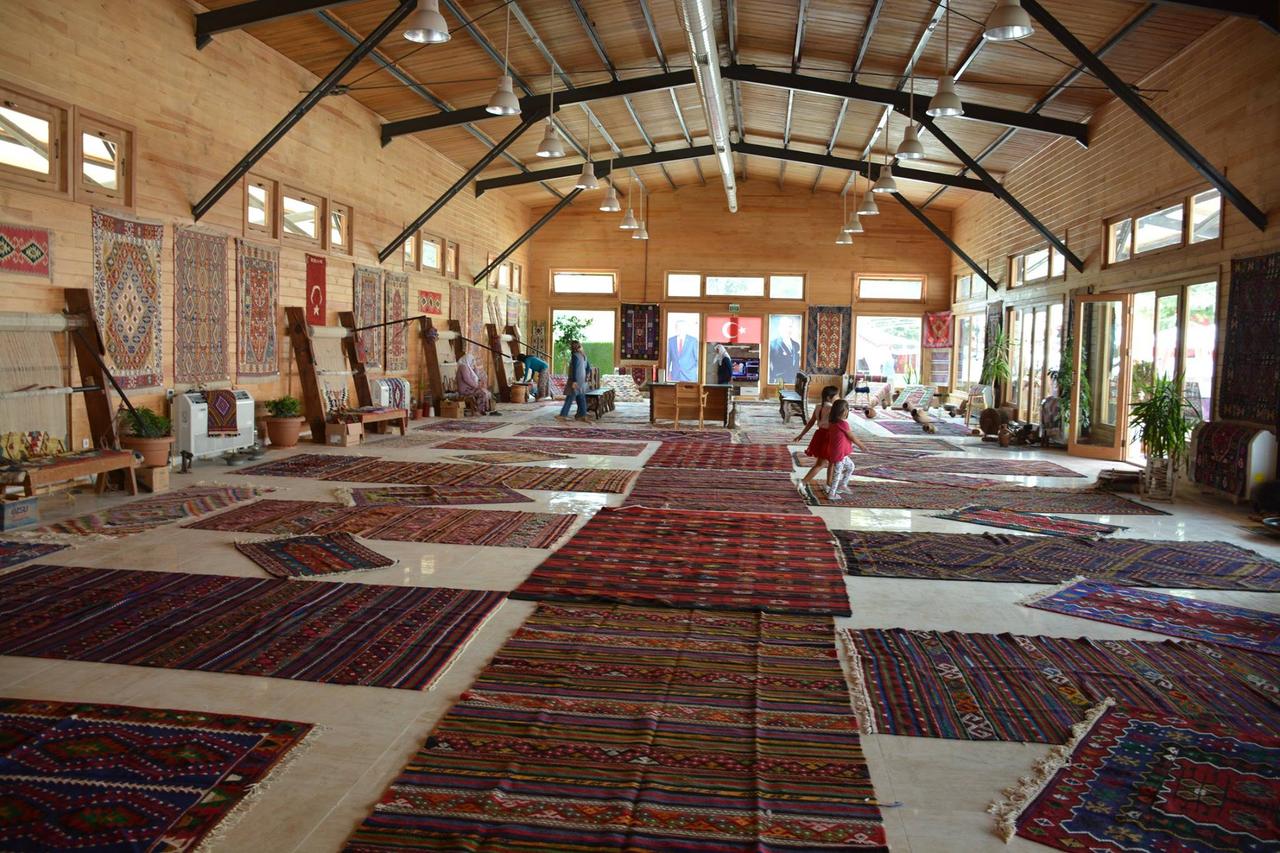
Eşme Kilim Festival
Venue | Eşme/Uşak/Türkiye | ||||||||
|---|---|---|---|---|---|---|---|---|---|
First Organized Year | 1990s (Estimated 1995) | ||||||||
Festival Schedule | Every Year in August (For 3 Days) | ||||||||
Organizing Institution | Eşme Municipality | ||||||||
The Eşme Kilim Festival is an event traditionally held in the Eşme district of Uşak Province, aiming to promote the region’s cultural, artistic, and craft heritage. Its primary objective is to sustain and introduce the distinctive Eşme kilim weaving tradition while contributing to regional tourism. The festival is known as the “International Eşme Touristic Kilim Culture and Art Festival” and provides a significant platform for showcasing traditional handicrafts and preserving cultural heritage.
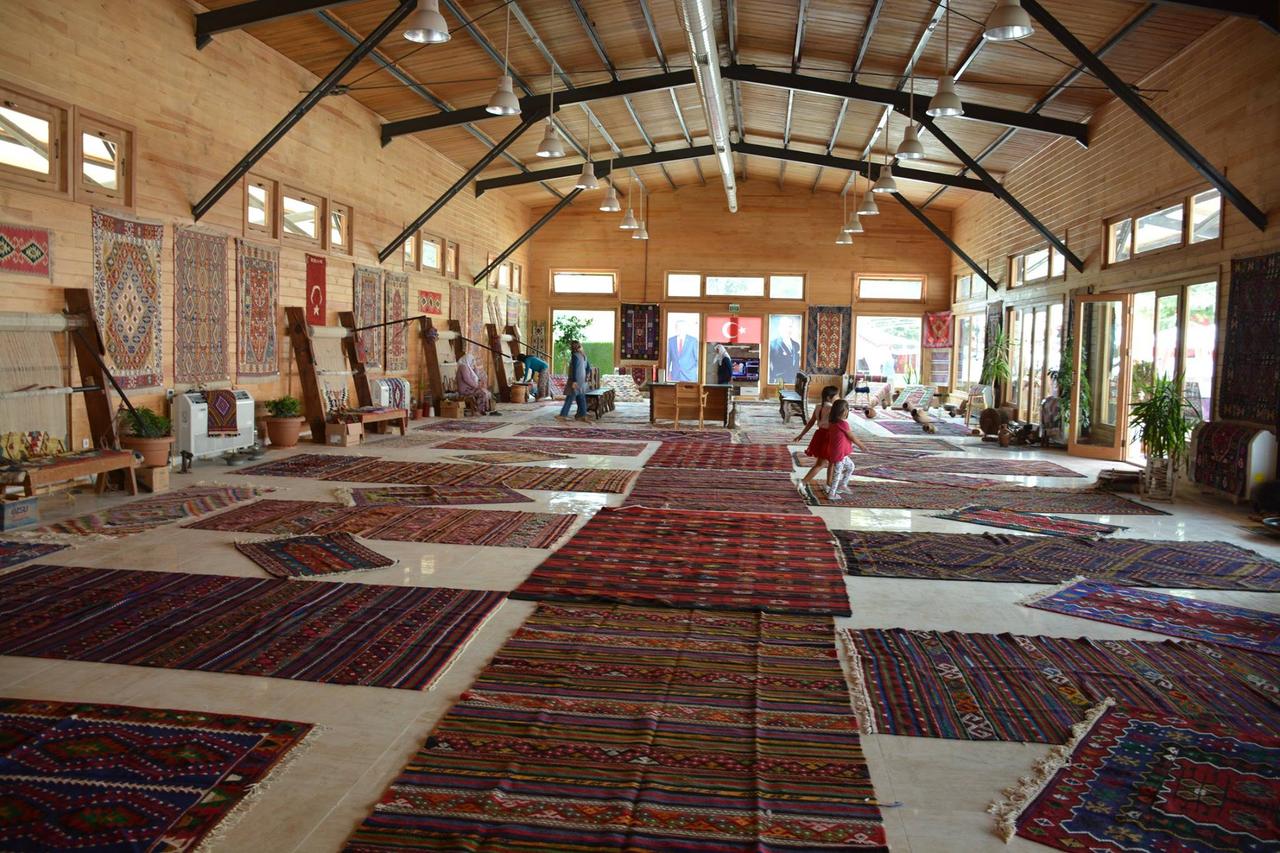
Eşme Kilim Festival (Subgovernorship of Eşme, Republic of Türkiye)
First initiated in the 1990s, the festival was held for the 22nd time by 2017 and has since been continuously enriched with varying content each year. Between 2017 and 2024, the festivals attracted both national and international participation, supported by folk dance performances, concerts, kilim competitions, and regional product exhibitions. The 2024 edition, the 26th of its kind, gained a contemporary artistic dimension through parades and design projects highlighting Eşme’s cultural richness.
The festival typically lasts three days and is held annually in August. Activities include:
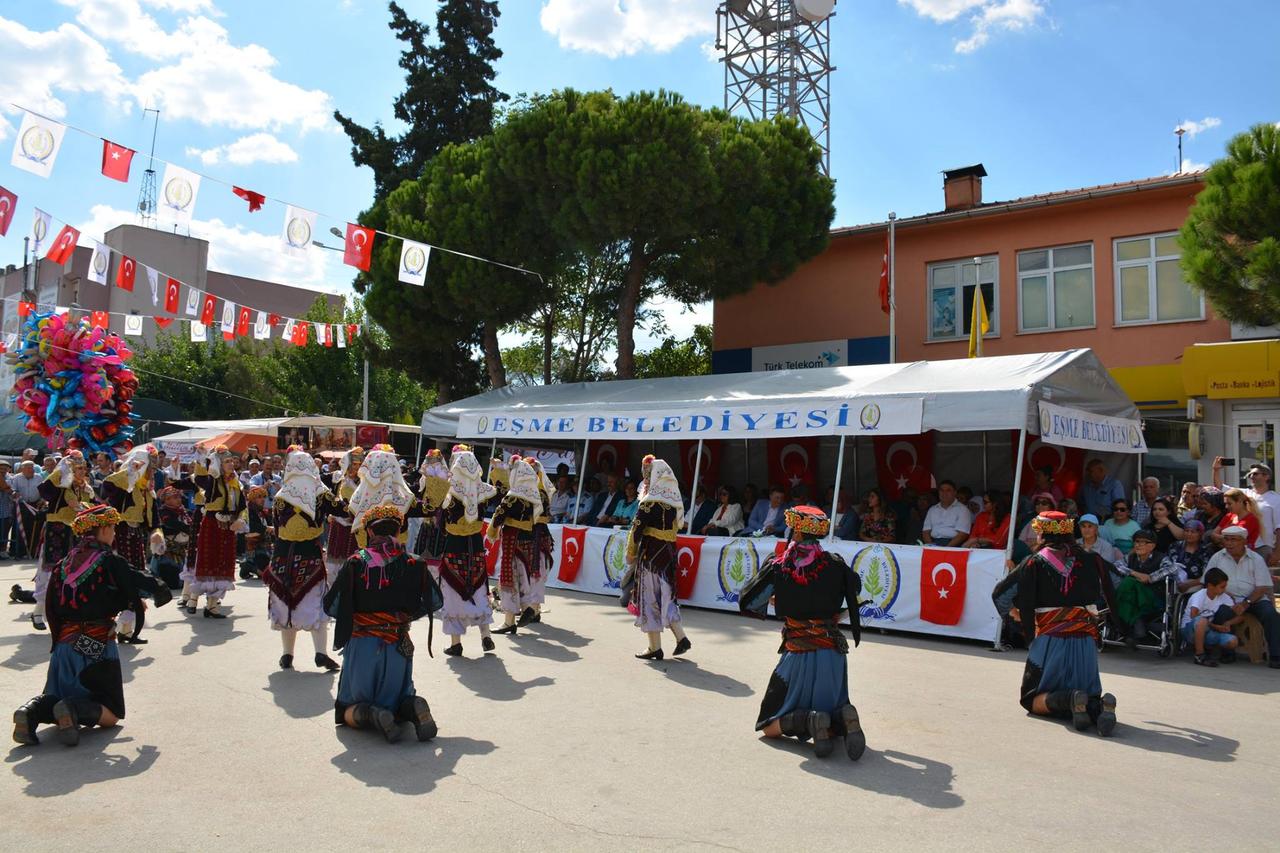
Eşme Kilim Festival (Subgovernorship of Eşme, Republic of Türkiye)
Eşme has historically been home to numerous civilizations including the Phrygians, Lydians, Romans, Byzantines, Seljuks, and Ottomans, and retains traces of nomadic culture through the settlement of Turkmen tribes. This cultural continuity significantly influenced the establishment of the kilim weaving tradition. The settlements of tribes such as Eşmeli, Karakeçili, and Sarıkeçili shaped the local weaving culture. Eşme kilims played an important role in daily life, serving various functions from birth to death.
Eşme kilims are generally woven either as commissioned commercial pieces or to meet household needs. Prominent weaving types include Zili, Sumak, Cicim with Sarmal motifs, Hopan, and Tülü. The majority of motifs are based on traditional iconography. Some kilim types include:
Eşme kilims are typically woven by women on vertical looms known as “ıstar.” Three types of looms are used: floor looms, warp-winding looms, and tension looms. In the past, yarn was spun at home and dyed with root-based pigments; today, factory-produced wool and synthetic dyes are widely used.
Early kilims were dominated by pastel red, indigo blue, and medium green tones. In middle and late period kilims, visual variety increased with the use of vibrant red, blue-purple, and Romani pink hues, though local characteristics became somewhat diluted.
Traditional root-dyed yarns use plant-based materials such as pomegranate rind, walnut husk, and oak galls. Mordanting processes are applied to ensure color fastness and tone control. The most common mordant is alum; traditional methods also employed natural additives such as vinegar and lime water.
Eşme Kilim Festival (Denge News)
In the modern era, Eşme kilim production continues largely on a commissioned basis. A small number of female weavers now also focus on export-oriented designs alongside traditional patterns. The festival fulfills a dual role by supporting local producers and promoting Eşme’s cultural and artistic heritage. Through wearable art projects, design parades, and competitions, the festival aims to transmit this craft to younger generations.
Eşme Halk Eğitim Merkezi. "Eşme Kilimlerinin Tarihçesi." Accessed June 1, 2025. https://esmehem.meb.k12.tr/meb_iys_dosyalar/64/03/207004/dosyalar/2018_11/05125528_EYme_Kilimi_Tarihi.pdf?CHK=0902391cfa838571d5b34fb923766c1c
T.C. Eşme Kaymakamlığı. “Eşme’nin Tarihçesi.” Accessed June 1, 2025. http://esme.gov.tr/tarihce
T.C.Eşme Kaymakamlığı Governorship. "2018 Eşme Kilim Culture and Art Festival." T.C. Eşme District Governorship. Accessed June 1, 2025. http://esme.gov.tr/2018-esme-kilim-kultur-ve-sanat-festivali
T.C.Eşme Kaymakamlığı Governorship. “XXII. Uluslararası Eşme Turistik Kilim Kültür ve Sanat Festivali.” Accessed June 1, 2025. http://esme.gov.tr/xxiiuluslararasi-esme-turistik-kilim-kultur-ve-sanat-festivali

Eşme Kilim Festival
Venue | Eşme/Uşak/Türkiye | ||||||||
|---|---|---|---|---|---|---|---|---|---|
First Organized Year | 1990s (Estimated 1995) | ||||||||
Festival Schedule | Every Year in August (For 3 Days) | ||||||||
Organizing Institution | Eşme Municipality | ||||||||
No Discussion Added Yet
Start discussion for "Eşme Kilim Festival" article
History
Event Content and Structure
Cultural and Historical Context of Eşme Kilims
Kilim Types and Motif Characteristics
Kilim Weaving Techniques and Materials
Colors
Dyeing Techniques
Eşme Kilim Weaving Today and the Role of the Festival