


This article was automatically translated from the original Turkish version.

Strawberry, one of the most beloved fruits of the season, becomes an indispensable winter delicacy when processed with the right techniques. Homemade strawberry jam distinguishes itself from commercial products through its aroma and natural ingredients. However, achieving the ideal consistency, preserving the fruit’s shape, and capturing the perfect color require attention to specific key details.
In this article, we detail the steps to prepare a flawless strawberry jam by combining traditional methods with modern kitchen secrets.
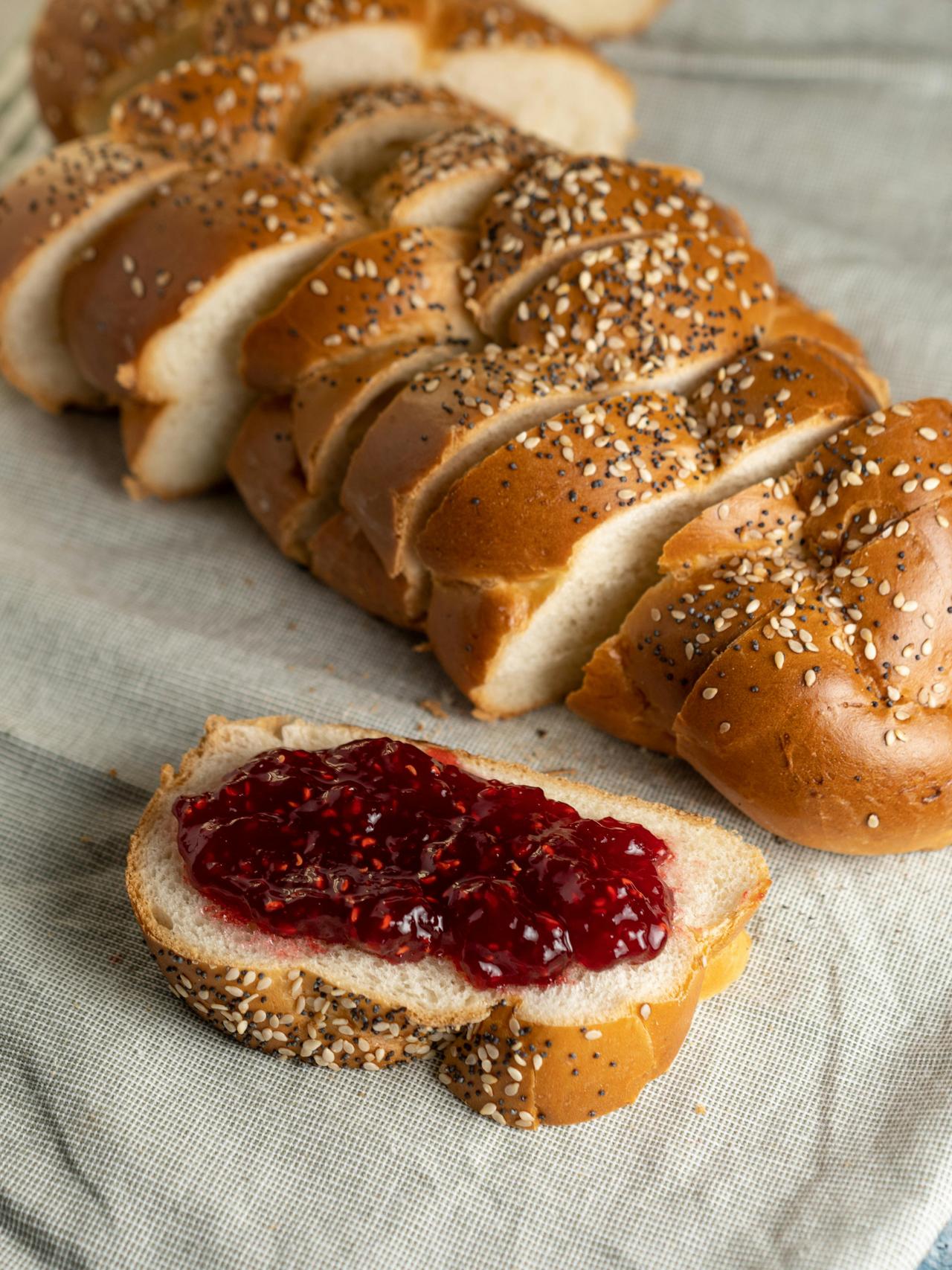
Strawberry Jam on Bread (pexels)
Producing high-quality jam begins with selecting the right fruit. The following fruit characteristics are essential for an ideal strawberry jam:
Strawberries have a high water content. Therefore, adding external water during jam preparation is not recommended. Instead, a process called “maceration” is used, where the fruit is left to rest in sugar to draw out its natural juices.
The mixture after maceration is cooked over medium heat. Common issues and their solutions during this stage are as follows:
The cooking time of the jam varies depending on the water content of the fruit and the heat intensity of the stove. An objective method known as the “Cold Plate Test” can be used to determine the ideal consistency.
If a drop of jam placed on a chilled porcelain plate holds its shape without spreading immediately (remaining bead-like), the cooking process is complete. Drops that flow and spread quickly indicate that further cooking is needed.
Once cooked, the jam must be transferred while hot into sterilized glass jars. The jars should be tightly sealed and inverted to create a vacuum seal. This process extends the shelf life by preventing air contact. When stored in a cool, dark place, the jam will retain its freshness throughout the winter months.
A properly prepared strawberry jam is not merely a breakfast spread—it is also a reflection of effort and tradition.
Jam contains high levels of sugar. If you have health concerns, consult your doctor before consuming.
Good appetite.
Holmes, Katerina. "Ekmek Baget Dilimlenmiş ve Çilek Reçeli sürülmüş." Pexels. Photograph. Accessed December 19, 2025. https://www.pexels.com/tr-tr/fotograf/ekmek-baget-dilimlenmis-lezzetli-11214704/
Lezzet.com.tr. "Çilek Reçeli Tarifi: Çilek Reçeli Nasıl Yapılır?" Accessed December 22, 2025. https://www.lezzet.com.tr/yemek-tarifleri/tatli-tarifleri/meyveli-tatlilar/cilek-receli
Zoltan, K. "Kırmızı Meyveler, Reçel ve Çilekler." Pexels. Photograph. Accessed December 19, 2025. https://www.pexels.com/tr-tr/fotograf/kirmizi-meyveler-recel-cilekler-12369983/
Ingredient Selection: The Right Fruit, the Right Result
Preparation and Maceration (Sugar Rest)
Cooking Techniques and Critical Interventions
Consistency Control: The Cold Plate Test
Filling and Storage