


This article was automatically translated from the original Turkish version.
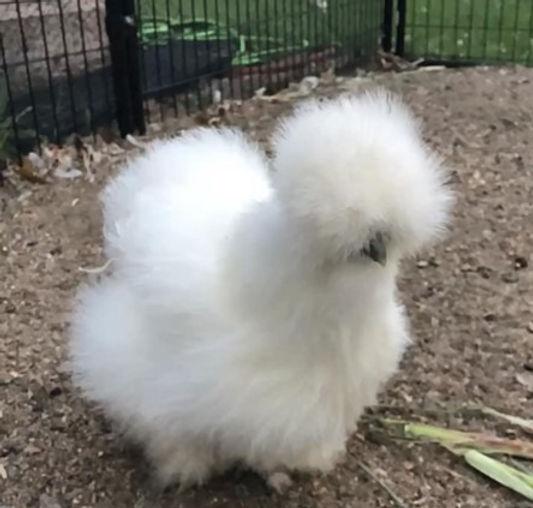
Ethiopian Chicken
Type(s) | Habeş (Silkie) | ||||||||
|---|---|---|---|---|---|---|---|---|---|
Weight(s) | Rooster 1.4 kg - 17.7 kg Hen 1.1 – 1.4 kg | ||||||||
Origin(s) | Çin | ||||||||
The Silkie chicken is a popular and endemic breed of poultry. This breed is recognized for its unique size and feathered structure. Silkie chickens are a distinct breed that does not have large poultry counterparts. They were accepted into the American Poultry Association’s (APA) Standard of Perfection in 1874, and since that time several varieties have been recognized. Silkie chickens compete in exhibitions and various classes alongside bantam Brahma, Cochin, and Langshan breeds.
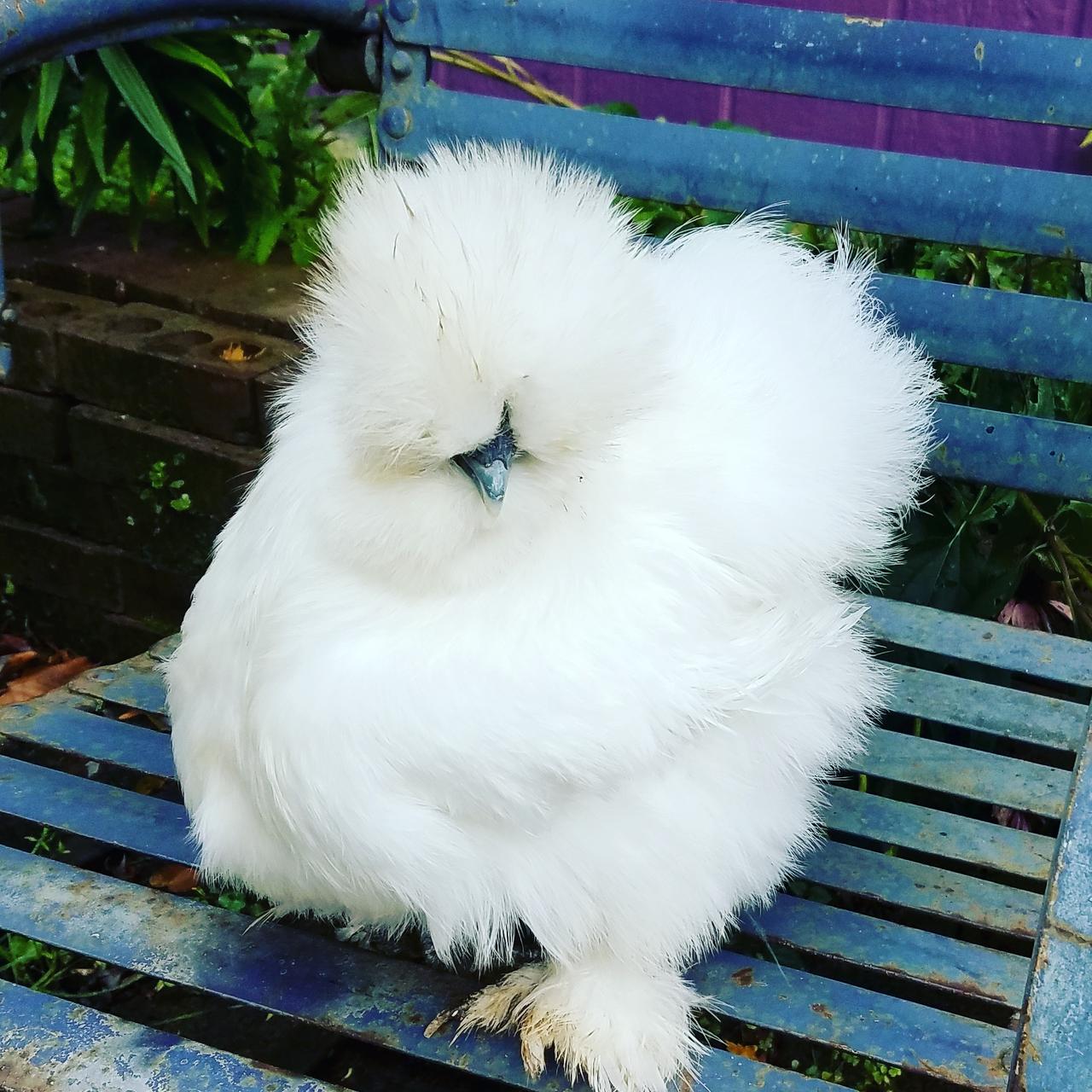
Silkie chicken, Source: https://vjppoultry.com/2019/10/04/gentle-silkies-why-you-need-to-own-this-breed/
The origins of Silkie chickens trace back to China and they are considered one of the oldest purebred chicken breeds in the world. Their earliest description may have been made by the Chinese poet Du Fu between 712 and 770 AD. In 1300, Marco Polo’s work “Travels” contains information about Silkie chickens. While visiting the Chinese city of Kenjanfu, Polo observed and wrote that the feathers of these chickens resembled silk. Silkie chickens were transported along the Silk Road to Europe and were later described in 1598 by the Italian naturalist Ulisse Aldrovandi.

Silkie chicken and rooster, Source: http://www.openpoultrystandards.com/Silkie
Silkie chickens exhibit numerous unusual physical traits compared to other poultry breeds. Their feathers lack barbicles, which are structures that bind the filaments of the feather shaft together to form a rigid structure. Silkie feathers have a fur-like texture and are exceptionally soft. Additionally, these chickens have feathers on their legs, and both their skin and bones are black—a feature reflected in their Chinese name, Wuguji, meaning black-boned chicken.
Silkie chickens have five toes, whereas most other chicken breeds have four. Their bodies are round and plump. Silkie chickens come in several color varieties including black, white, blue, and light brown, and all color varieties possess black skin, a fifth toe, and soft feathers.
Modern Silkie chickens occur in various colors and are particularly favored as ornamental birds. In the United States, bantam-sized Silkies are common, with roosters weighing approximately 1 kg and hens around 900 grams. In Europe, standard-sized Silkies are more prevalent, with roosters weighing about 1.8 kg and hens around 1.3 kg.
Silkie chickens are generally considered moderate layers and are known for their docile temperament. However, due to the structure of their feathers, they provide poor insulation and are not well suited to cold climates. Owners in cold regions must take special measures to keep their Silkie chickens warm and dry.
Chicken Waterer. "Silkie Chickens." *Chicken Waterer*. Accessed March 7, 2025. Accessed Adresi.
Open Poultry Standards. "Silkie." *Open Poultry Standards*. Accessed March 7, 2025. Accessed Adresi.
Türkiye Süs Tavukları ve Horozları Federasyonu. *Türkiye Süs Tavukları ve Horozları Federasyonu Standartları*. Accessed March 7, Accessed Adresi.

Ethiopian Chicken
Type(s) | Habeş (Silkie) | ||||||||
|---|---|---|---|---|---|---|---|---|---|
Weight(s) | Rooster 1.4 kg - 17.7 kg Hen 1.1 – 1.4 kg | ||||||||
Origin(s) | Çin | ||||||||
History
Physical Characteristics
Modern Silkie Chickens