


This article was automatically translated from the original Turkish version.
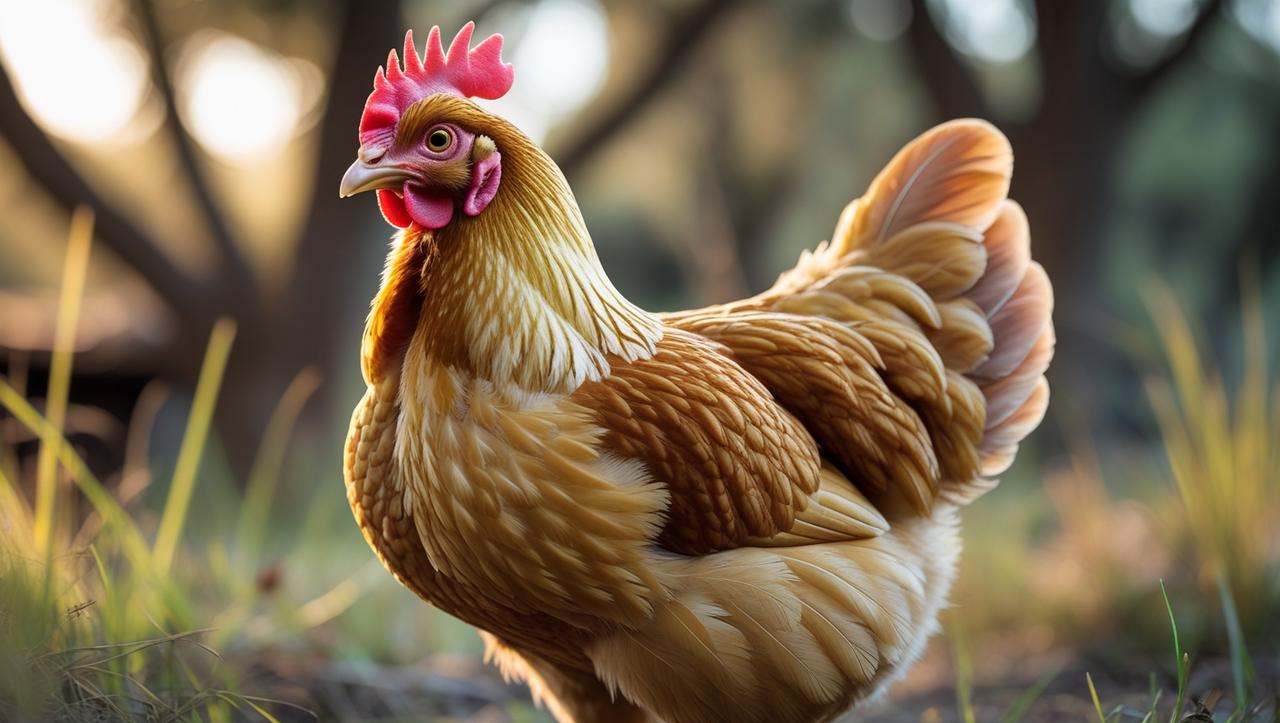
Chicken
Realm | Animals | ||||||||
|---|---|---|---|---|---|---|---|---|---|
Branch | Chordates | ||||||||
Class | Birds | ||||||||
Team(s) | Fowl | ||||||||
Family | Phasianidae | ||||||||
Genus | Gallus | ||||||||
Specie(s) | Gallus Gallus | ||||||||
Subspecies | Gallus gallus domesticus | ||||||||
Chicken (Gallus gallus domesticus) is a domesticated bird species belonging to the family Phasianidae and the genus Gallus, raised for various purposes including meat and egg production. Today, the chicken is one of the most widely farmed poultry species worldwide and holds a special position in both zootechnics and animal biology due to its place in biological classification, its importance in human nutrition, and its adaptability to diverse production systems. The preferred scientific nomenclature Gallus gallus domesticus reflects the acceptance of the red junglefowl (Gallus gallus) as its primary ancestor.
The domestication of the chicken occurred over a long and complex historical process linked to wild Gallus populations in Asia. While one view in the literature emphasizes that the domestic chicken primarily descended from the red junglefowl, another perspective highlights that multiple subspecies and regional populations contributed to this process in varying degrees. Through natural and artificial selection, the chicken underwent significant changes in morphology, behavior, physiology, and productivity, eventually developing a wide diversity in the form of local breeds, standardized strains, and modern commercial lines. As a result, it has become not only a common poultry species but also one of the key model organisms for studying domestication history, genetic diversity, animal health, and production systems.
The chicken is a domesticated bird classified within the class Aves under the order Galliformes, family Phasianidae, and genus Gallus. This systematic classification places the chicken within the same broader taxonomic framework as other galliforms such as pheasants and partridges, while directly linking it to its close wild relatives within the genus Gallus. Currently, four wild species are generally recognized at the genus level: the red junglefowl (Gallus gallus), the grey junglefowl (Gallus sonneratii), the Sri Lankan junglefowl (Gallus lafayettii), and the green junglefowl (Gallus varius). The domestic chicken is not viewed as an independent, entirely separate lineage within this genus but rather as a form closely related to the red junglefowl. Consequently, in scientific literature, the chicken is often regarded not merely as a production animal but also as part of the evolutionary and biogeographic history of the genus Gallus.
The most commonly used scientific name is Gallus gallus domesticus. This choice is based on the accepted view that the red junglefowl is the primary ancestor, and the domestic form is treated as a subspecies of the wild ancestor. However, the form Gallus domesticus has not been entirely abandoned in the literature; it appears in older studies or under different taxonomic approaches. Nevertheless, contemporary biological and genomic studies tend to view the domestic chicken not as a distinct species separate from the red junglefowl but as a domesticated form closely related to it. Naming conventions have not been limited to the domestic chicken alone; historical names such as G. bankiva for the red junglefowl, G. furcatus for the green junglefowl, and G. stanleyi for the Sri Lankan junglefowl have also been used. This reflects how the classification of the chicken and its close relatives has evolved over time through the combined evaluation of morphological similarities, geographic variation, and later emerging genetic data.

A Chicken and Chicks (Flickr)
The red junglefowl is the wild species at the center of chicken systematics and exhibits pronounced geographic differentiation. The literature commonly recognizes five subspecies: G. g. murghi, G. g. spadiceus, G. g. jabouillei, G. g. gallus, and G. g. bankiva. These subspecies are distributed across different regions of South and Southeast Asia, including Kashmir, Nepal, Bangladesh, Myanmar, Thailand, southern China, Vietnam, Laos, Malaysia, and Java. Morphological differences such as plumage color, hackle structure, and earlobe color support this classification. In particular, the relationship between G. g. gallus and G. g. spadiceus holds special importance in debates over chicken origins; while some modern genomic studies associate the primary wild ancestor of the domestic chicken specifically with G. g. spadiceus, earlier mtDNA-based approaches emphasize broader and multiple subspecies contributions. Thus, although the systematic position is relatively fixed, the detailed phylogenetic relationships within this framework remain under investigation.
Another notable point in chicken systematics is that classification is no longer based solely on external appearance. While earlier classifications relied on morphological criteria such as comb type, neck structure, feathering, and body conformation, modern molecular data have significantly deepened this framework. Genome-scale studies suggest that phylogenetic distinctions and relationships within the genus Gallus are not always straightforward; evidence points to ancient hybridizations, shared ancestors, and complex divergence processes among certain species and subspecies. Therefore, in modern biology, the chicken is regarded not only as a domesticated production animal but also as one of the key model species for studying evolutionary history, domestication, selection, and genetic diversity.
The origin of the chicken is linked to wild Gallus populations, with its geographic center generally sought in South and Southeast Asia. The natural range of the red junglefowl encompasses a broad belt including the Indian subcontinent, Myanmar, Thailand, Laos, Vietnam, southern China, Malaysia, and parts of the Indonesian archipelago; this distribution forms the primary geographic context for domestication debates. Modern studies strongly support the view that the red junglefowl is the main wild ancestor of the domestic chicken. However, the question of whether this relationship resulted from a single, linear domestication process or from multiple, layered interactions and hybridizations across different regions remains unresolved in the literature.
The first strong framework for this debate was established by Charles Darwin, who sought the ancestor of the domestic chicken in the red junglefowl. Darwin concluded that the red junglefowl was the primary ancestor based on similarities in external appearance, vocalizations, mating behavior, and fertility. This view, long dominant, reinforced the idea that the domestic chicken descended from a single wild source. Modern molecular investigations have not entirely rejected this main line; on the contrary, they largely confirm the central ancestral role of the red junglefowl. However, newer research has shown that the genome of the domestic chicken is too complex to be reduced to a single wild subspecies.
Early mtDNA studies supported a single geographic origin model centered on G. g. gallus populations in Thailand and surrounding areas. In contrast, a second approach argues that multiple domestication centers existed across different regions of South and Southeast Asia, with various red junglefowl subspecies contributing to the process. Larger-scale mtDNA studies suggest that distinct clades point to different regional origins, implying the possibility of independent or semi-independent domestication events. The Indian subcontinent, Southeast Asia, and southern China form the main focal areas of this debate.
In recent years, genomic studies have further refined this debate. These studies indicate that the primary wild ancestor of modern Asian domestic chickens may be Gallus gallus spadiceus. This subspecies is currently distributed around Myanmar, northern Thailand, and southwestern China. According to this view, the domestication center appears to have formed within the natural range of the red junglefowl, particularly in the region inhabited by this subspecies. However, these same studies also reveal that as domestic chickens spread into Southeast and South Asia, they interbred locally with other red junglefowl subspecies, meaning that initial domestication and subsequent genetic shaping were distinct processes. Therefore, the origin of the chicken must be considered not only in terms of “where it was domesticated” but also “which populations it mixed with at what stage.”
It is also possible that chicken domestication did not begin with the direct capture and breeding of wild birds. Some research suggests that the process developed in a commensal manner, with wild birds gradually approaching human settlements by benefiting indirectly from human activities. The feeding habits of wild red junglefowl around cultivated fields, human dwellings, and food waste; their initial tolerance by humans; subsequent protection; and eventual controlled breeding constitute a plausible model. The view that early chickens were valued more for aesthetic, symbolic, recreational, or fighting purposes than for meat or eggs is consistent with this framework. This approach suggests that domestication was not merely an economic but also a cultural and behavioral process.
Zooarchaeological data complicate efforts to assign precise dates to domestication. The main reason is the difficulty in reliably distinguishing early chicken bones from those of wild red junglefowl or other phasianids. Although some bones from early and mid-Holocene sites in northern China have been proposed as chicken remains, these interpretations have been seriously questioned regarding climate suitability, bone identification, and the reliability of ancient DNA data. Similarly, early centers such as Mohenjo-Daro were long considered “early chicken domestication sites,” but these assumptions have been reevaluated due to the inability to definitively identify species from the bones and problematic dating. Consequently, current literature interprets chicken domestication not as a single, definitive origin point but as a gradual, regional process centered in South and Southeast Asia.
Following domestication, the chicken spread beyond Asia through human migrations and land and sea trade networks. This dispersal followed a multi-stage historical path extending first to West Asia, then to the Near East, the Mediterranean, Europe, and Africa. Evidence indicates that chicken husbandry was known in the Indian subcontinent by the 3rd millennium BCE; chicken remains have been found in Iran dating to 3900 BCE, in Türkiye and Syria between 2400–2000 BCE, in Jordan around 1200 BCE, and possibly even earlier in Egypt. In Europe, early chickens appear to have had low population density and a privileged status, but over time they became more central to food production. The introduction into Africa occurred both via land routes through Egypt and via maritime connections across the Red Sea and the Horn of Africa. Thus, after leaving its original domestication area, the chicken ceased to be merely a domesticated form of a wild species and transformed into a global production animal reshaped by selection in diverse environments.
The chicken is a species that retains the fundamental avian body plan but exhibits wide variation in appearance due to domestication and selective breeding. This structure, composed of the head, neck, body, tail, two wings, and two legs, is common to all chickens but varies in proportion according to breed and production purpose. Meat-type birds have a more robust body, broader breast, and more pronounced muscle mass; egg-laying types are lighter, more slender, and more active. Differences between local breeds and commercial lines are often first apparent in these body proportions. Thus, chicken morphology reflects not only external appearance but also the direction of selection applied to the animal.
The most distinctive features of the head are the beak, comb, wattles, and earlobes. The beak is typically short to medium in length, slightly curved downward, and firm in structure; its color may range from yellow, horn-colored, gray to nearly black. This color and form variation is more pronounced in local breeds. The comb may appear in various types such as single, rose, pea, or ax-shaped and serves as a distinguishing criterion in breed identification. The color of the earlobes—red, white, or speckled—is also a fixed feature of external appearance. In the Denizli chicken, for example, the beak is often long, thick, sloping downward at the top, and dark gray-black; the comb is ax-shaped. The earlobes may be red or red with white speckles. These features are among the visible markers distinguishing Denizli from other local types.
The eyes, face, and head region are also important in chicken morphology. Eyes are generally round and medium-sized in most chickens; iris color may be brown, chestnut, or darker tones. In males, the head structure is larger, facial contours more pronounced, and comb and wattle development more robust. In some local breeds, a dark ring or sooty appearance around the eyes becomes a distinguishing feature. In Denizli roosters, the black ring around the eyes, known as “sürmelilik,” is one of the most recognizable defining traits. This characteristic is not merely a color difference but a prominent feature affecting the entire head appearance.
Neck, back, wing, and tail structure clearly show sexual dimorphism. In roosters, the neck is longer, the nape thicker, and the neck feathers brighter and longer. The back feathers and saddle area take on a more ornamental appearance. Wings attach laterally to the body and remain closed against it during rest; however, the tightness of wing placement varies by breed. The tail in males is typically larger, carried higher, and marked by long, curved ornamental feathers. In hens, the tail is shorter, simpler, and closer to the body line. In large, ornamental breeds, the tail becomes almost a defining feature in itself. In Denizli roosters, the large tail structure, combined with long crowing, contributes to the upright, showy posture that characterizes the breed.
Leg and foot structure also vary significantly among breeds. Leg length, tarsus thickness, and color tone are used both in breed definition and in understanding production direction. In meat-type birds, legs appear thicker and stronger; in egg-laying types, they are more slender and longer. Tarsus color may range from yellow, gray, blackish, to light flesh tones. In the Denizli chicken, gray legs are a prominent feature. In some local and ornamental breeds, feathered legs—where feathers extend down to the toes—are observed; in other types, the legs are completely bare. The inheritance of foot color by sex demonstrates that external appearance carries not only aesthetic but also heritable information. In some local populations, leg length and body height are evaluated in relation to mobility and adaptation to free-range systems.
Sexual dimorphism is pronounced in chickens. Roosters are generally larger, taller, with thicker necks and more ornate plumage. Their combs and wattles are larger, tails longer, posture more upright and conspicuous. Hens have a simpler body, more balanced color distribution, and limited ornamental feathers. However, domestication has reduced the pressure of natural selection, allowing human preferences to produce a wide variety of colors, patterns, and forms. Black, white, dirty yellow, dark brown, mottled, or striped feather patterns; naked necks, crests, and feathered legs are outcomes of this diversification. Thus, chicken morphology is not a fixed, uniform structure but a broad range of variation within a common anatomical framework. In naked-necked local types, the marked reduction of feathering on the neck, color variation between dirty yellow and dark brown, and reported live weights between 2.8–3.5 kg are examples of this diversity.
The biological structure of the chicken is not limited to external appearance; the reproductive system is also one of the species’ key distinguishing features. In females, egg formation occurs along the oviduct, which consists of the infundibulum, magnum, isthmus, uterus, and vagina. The distribution and cellular content of secretory glands along this structure vary between the laying period and pre-laying phase. Particularly, the prominence of glands in the magnum, isthmus, and uterus regions, and the presence of neutral, acidic, or sulfated mucus substances at varying concentrations, demonstrate that egg formation is a sequential, region-specific physiological process. Thus, although the chicken exhibits great variation in external appearance, its biological organization remains highly regular and functional.
In conclusion, chicken morphology is a structure built upon the common avian anatomy but extensively diversified through domestication and selection. Features such as the beak, comb, eye region, neck, tail, wings, legs, and plumage do not merely create visual differences; they have become indicators that can be read to determine breed, production purpose, and selection history. Therefore, biological and morphological traits in the chicken form not only a descriptive section but also a foundational framework for numerous topics ranging from genetic diversity to breeding systems.
With domestication, the chicken has developed a broad range of genetic and phenotypic variation. The transition from wild Gallus populations to the domestic form involved not only human control but also selection for multiple traits including body structure, growth rate, egg production, plumage, comb shape, behavior, and environmental adaptation. As a result, local populations, specialized breeds, and modern commercial lines have emerged. Thus, the chicken has moved beyond being a single domestic animal type and has become a species with immense biological diversity, exhibiting vastly different production and appearance traits within the same species.
This diversity is not limited to visible external differences. Genetic variation within the species directly affects future breeding programs, adaptation to environmental conditions, survival, and disease resistance. In particular, local chicken populations serve as an alternative gene pool against the narrowing genetic base of commercial lines. Local breeds are often not as productive as modern hybrids, but they may possess remarkable potential in terms of adaptation to harsh environments, survival in free-range systems, and resistance to certain local diseases. Therefore, the issue of genetic diversity in chickens is not merely about defining biological differences but also about conserving genetic resources.
The breeding process has developed largely according to the direction of selection. In meat-oriented lines, rapid growth, high live weight, and muscle development are emphasized; in egg-oriented lines, early maturity, long laying period, and high egg number are prioritized. Meanwhile, dual-purpose types, village chickens, and ornamental breeds have also been shaped under different selection criteria. Consequently, the concept of chicken breed refers not only to visual differences but also to a broader biological and production framework encompassing production purpose, usage, and breeding history.
The level of genetic diversity is currently examined using mitochondrial DNA sequences, microsatellite markers, heterozygosity values, and population distance measurements. Such data show that some local chicken populations exhibit high internal diversity, while others have more limited genetic structures. Simultaneously, distinct genetic divergences are observed between chicken groups raised in different geographic regions, while some populations have become genetically closer due to historical contacts, trade movements, and human-mediated hybridization. Thus, the genetic structure of the chicken appears less as a closed, fixed breed system and more as a dynamic field of diversity reshaped throughout history.
In this context, the presence of local chicken populations in Türkiye holds special importance. Among local populations, the Denizli and Gerze chickens constitute two notable examples that are distinct both morphologically and genetically. Studies on these two breeds demonstrate that each possesses its own specific genetic diversity and is significantly different from the other. Population-level heterozygosity, allele numbers, and clustering analyses reveal that local breeds possess identifiable traits not only in appearance but also in genetic structure. This underscores that conserving local chicken breeds is not merely a cultural or nostalgic preference but a necessity for maintaining biological diversity.
In conclusion, genetic diversity and breeding in chickens represent the subsequent phase of domestication. Human-directed selection has simultaneously increased productivity and specialization while narrowing the genetic base of certain strains. Local breeds, regional populations, and standardized lines have preserved their importance as carriers of historical diversity against this narrowing. Therefore, chicken genetics is not only a fundamental field for understanding how domestication occurred in the past but also for answering questions about how it will be conserved, improved, and adapted to changing production conditions in the future.
When referring to local chicken populations in Türkiye, the two primary breeds are the Denizli and Gerze chickens. Both are not merely remnants of regional farming traditions but also genetic resources requiring conservation. The Denizli breed is associated with the Aegean region, particularly Denizli and its surroundings; the Gerze breed is linked to the Black Sea region, especially Sinop and its vicinity. The importance of these two breeds stems from their distinct biological structures shaped by local selection processes, in contrast to the uniformity of commercial chicken lines. Genetic studies confirm this distinction; in a comparison using ten microsatellite loci, the average number of alleles in Denizli was 6.1, expected heterozygosity 0.656, and polymorphism information content 0.599; in Gerze, these values were 5.0, 0.475, and 0.426 respectively. The pairwise FST value of 0.224 and genetic distance of 0.476 between the two breeds indicate they are clearly diverged local populations within the same species.
Denizli chicken is a breed easily distinguishable from other local types based on physical characteristics. According to official standards, the head is of normal size, the comb in both sexes is ax-shaped, and the beak is typically long, thick, sloping downward at the top, and dark gray in color. The nostrils are small; the face is long and slightly feathered. In males, eyes are medium-sized, round, brown, and distinctly sürmeli—that is, surrounded by a dark ring; this feature is one of the most distinctive identifiers of the Denizli breed. Earlobes are red or red with white speckles; the neck is long and feathered, the nape is thick, and the tail is sturdy, ornamental, and attached to the body at a near-vertical or slightly angled position. Gray legs, combined with a dark gray-black beak and sürmeli eyes, give the Denizli breed a strong morphological identity. In terms of production, it is considered close to an egg-laying type; sexual maturity in hens occurs at approximately 2–2.5 kg, and annual egg production ranges from 80 to 100 eggs in most studies. The long crowing of Denizli roosters further distinguishes this breed culturally as well as zootechnically.
Gerze chicken represents a distinct local population that developed in northern Türkiye. Although detailed external standard descriptions of Gerze are less clearly documented than those of Denizli, it is clear that Gerze is a unique local gene source closely associated with Sinop and its surroundings. The development of a breed standard encompassing morphological, performance, and behavioral traits indicates that Gerze is not merely a local name but possesses a defined breed status. Performance data from some comparative studies show that Gerze can achieve higher values than Denizli in terms of survival rate, laying age, egg production, and other production metrics. At the same time, genetically, the Gerze population is clearly distinct from Denizli; its lower expected heterozygosity suggests a more restricted but more unique genetic pattern. Furthermore, characterization studies on the Mx gene, associated with antiviral resistance, demonstrate that this local breed is important not only for appearance and productivity but also for disease resistance-related gene regions.
The differences between Denizli and Gerze are not limited to general appearance or regional distribution; they are also distinguishable at the molecular level. Alleles common in Denizli populations at certain microsatellite loci are found at very low frequencies or are absent in Gerze, reinforcing their independent genetic identities. Notably, the 151 and 153 base pair alleles at the ADL0136 locus are present in Denizli but absent in Gerze; the 190 base pair allele at the ADL0158 locus appears unique to Denizli. Conversely, the Gerze population shows high frequency of the 186 base pair allele at the same locus, suggesting that the differentiation is not random.
Such data reveal that local breeds are not merely recognized by local communities but possess genetically separable structures detectable at the laboratory level. In short, Denizli stands out through clearly definable external features and cultural recognition, while Gerze emerges as a unique local line from the Black Sea region, distinguished by its production and genetic characteristics. The conservation of both is essential for preserving Türkiye’s historical depth and biological diversity in chicken populations.
Chicken farming is primarily organized around three production types: meat, egg, and to a more limited extent, dual-purpose lines. In meat lines, the primary goals are rapid attainment of high live weight, efficient conversion of feed into meat, and intensive production per unit area. In egg lines, early maturity, long laying period, and consistent egg production are emphasized. These two production directions produce different body structures and husbandry needs within the same species: meat types become heavier, faster-growing, and suited to short production cycles, while egg types become lighter-bodied, more active, and adapted for prolonged production. Dual-purpose types can be used for both meat and eggs, but in modern industrial poultry farming, specialized meat and egg lines dominate.
In meat chick production, the short production cycle, high feed conversion ratio, and ability to conduct intensive farming per unit area are the defining features of the system. Producers may operate independently or under contract with integrated companies. In contract systems, key processes such as chick supply, feed, medication, transportation, slaughter, and marketing are largely managed by the integrated company; the producer is responsible for housing and management. In egg production, continuity is more prominent; chicks that complete the growing phase are transferred to laying houses or cage systems between weeks 16 and 18, after which environmental conditions, lighting, and feeding directly affect productivity. Thus, meat systems rely on a short, intensive growing period, while egg systems depend on a longer, phased production cycle.
In both production types, the foundation of husbandry depends on proper housing preparation before chicks arrive. The floor must be cleaned, pressure-washed, disinfected, equipment inspected, and bedding laid dry. This preparation, common to both meat and egg systems, serves not only hygienic purposes but also directly affects chick survival during the first critical weeks. Allowing housing to remain empty for a period before new batches, preventing rodent and wild bird entry, and ensuring proper ventilation and heating are fundamental requirements. Thus, husbandry is not merely the act of placing animals in housing but a technical production process beginning with environmental control.
The chick phase is the most sensitive stage in chicken farming. In the first days, temperature, water, feed, and space management are decisive factors where even minor errors can have major consequences. Although requirements vary by type, the recommended temperature during the first week is approximately 32–35 °C at chick level and approximately 26–27 °C at housing level; these values are gradually reduced in subsequent weeks. In meat production, temperature is reduced weekly until reaching 18–20 °C near slaughter. Water must be provided fresh and at appropriate temperature from the first hours; in some practices, sugared water and vitamin supplements are given during the first few hours. Feeders and drinkers must be adjusted according to bird numbers. Practical behavioral indicators include chicks huddling under heat sources to indicate low temperature and dispersing away from them to indicate excessive heat.
In breeding systems, space utilization directly affects production success. Overcrowding can lead to uneven growth, increased mortality, and behavioral disorders. In meat production, the target is approximately 14–18 chicks per square meter at slaughter age. In egg production, space requirements vary by age and system type; higher densities are possible in early stages in floor and cage systems, but space per bird is increased as they age. During the growing phase in floor systems, approximately 10 chicks/m² is recommended; during laying, approximately 6 hens/m². Feeders and drinkers are also adjusted according to age; for example, in the 6–18 week period, approximately 5 cm of feeder space per bird is provided in long feeders, increasing to 7.5–8 cm after laying begins. These figures demonstrate that housing management must be planned not only according to total bird numbers but also according to age and production purpose.
In egg production, environmental management is particularly linked to productivity through lighting, ventilation, temperature, and equipment. Lighting duration and intensity affect egg production, egg weight, age at sexual maturity, and even male fertility. Practices such as grit provision are also important for feed intake and digestive function. In meat systems, the focus is on rapid and balanced growth, flock uniformity, and healthy attainment of slaughter age. In both production types, clean water, appropriate feed, dry bedding, prevention of drafts, regular vaccination programs, and adequate equipment are common technical requirements. Successful husbandry depends not on any single factor being good in isolation but on the balanced management of all elements together.
The choice of system in chicken farming is based on the relationship between the animal’s biological capacity and the producer’s goals. While meat, egg, and dual-purpose types are specialized forms of the same species, each imposes different demands regarding environmental conditions, management level, and production planning. Therefore, poultry farming is not an area that can be explained solely by breed or line selection; it requires a holistic management system extending from housing design to temperature control, chick management to equipment sizing.
In chicken farming, health management focuses not on treating diseases after they occur but on preventing infection from entering the flock. In intensive systems, the presence of large numbers of birds in the same environment creates favorable conditions for infectious agents to spread rapidly throughout the flock. Therefore, chicken health must be considered not only in terms of clinical disease recognition but also in conjunction with breeding stock selection, hatchery hygiene, housing preparation, personnel movement, equipment cleaning, and regular monitoring programs. This process, beginning with healthy chick supply, includes cleaning and pressure-washing the housing before batch entry, disinfection, laying dry bedding, fumigation if necessary, and leaving the housing empty for one to two weeks. Additionally, limiting access by wild birds, rodents, and unnecessary personnel forms the first line of breaking the infection chain.
Among economically significant infectious diseases in chickens, Newcastle disease and mycoplasma infections hold special importance. Newcastle disease is a viral infection that has maintained global significance in poultry farming for a long time; it has spread across many countries through successive outbreaks, affecting not only flock health but also food supply and production economics. The causative agent is a virus with a single-stranded, negative-sense RNA genome, and its F and HN genes are particularly important in classification and immunity studies. Clinical signs vary depending on the virulence of the strain, but severe forms may cause high mortality, respiratory symptoms, neurological signs, and rapid decline in overall flock performance. Additionally, this disease can present a clinical picture similar to other infections such as highly pathogenic avian influenza, infectious laryngotracheitis, psittacosis, mycoplasmosis, and fowl cholera.
Mycoplasma infections gain importance primarily through the pathogens Mycoplasma gallisepticum and Mycoplasma synoviae. These infections often lead to chronic respiratory problems, reduced flock performance, and persistent transmission across generations in breeding operations. In some flocks, infection progresses with clear clinical signs; in others, it follows a more insidious course, facilitating undetected spread within the flock. Serological surveys show that positivity rates for both pathogens in broiler and layer flocks can reach considerable levels. Therefore, the mycoplasma problem is not merely a matter of treating sick animals; it requires regular screening, monitoring of breeding flocks, isolation of infected birds, and continuous implementation of control programs. It is recommended that screening be conducted at 4–6 week intervals for this reason.
For diagnosis and monitoring, relying on a single method is insufficient in chicken diseases. In Newcastle disease, molecular methods can quickly distinguish between virulent and low-virulence strains; for mycoplasma infections, culture, PCR, and various serological tests are evaluated together. In particular, for mycoplasma, methods such as ELISA, slide agglutination, hemagglutination inhibition, and PCR facilitate the determination of infection prevalence within the flock and the identification of infected birds. This multi-method approach is necessary because some infections can circulate without clinical signs, and others may occur concurrently with other respiratory diseases. Therefore, health management requires a monitoring system supported not only by observation but also by laboratory confirmation.
Vaccination is one of the most important protective tools in chicken health; however, it does not function uniformly across all diseases. In Newcastle disease, live low-virulence and inactivated vaccines have long been used. These vaccines can provide protection against clinical disease but do not completely prevent infection, viral replication, or shedding. Live vaccines are associated with lower shedding than inactivated ones, and vaccines genetically closer to circulating field strains tend to yield more effective results. Nevertheless, due to the relatively short duration of immunity, revaccination throughout the life cycle is necessary. In mycoplasma infections, the protective effects of live vaccines and different vaccine strains are also emphasized; however, vaccination alone is not considered sufficient and must be integrated with biosecurity and monitoring programs.
Biosecurity practices play a more decisive role in infection control than treatment. Housing should be located as far as possible from other farms, settlements, and main roads; designed to prevent entry by wild animals and birds; and equipped with controlled access points. Equipment must be easily cleanable, and detailed cleaning and disinfection must be performed before each batch. Other essential measures include disinfecting chick transport vehicles, ensuring personnel use clean clothing and equipment, adjusting housing temperature before bird arrival, and reducing environmental stress from the first days. Poor hygiene and environmental stress together facilitate the establishment of infectious agents within the flock and their progression to clinical disease. Therefore, in poultry farming, health is maintained not only through veterinary intervention but through the entire farm structure being organized to reduce infection risk.
The main products derived from chickens are meat and eggs. Both serve as important sources of high-biological-value animal protein in human nutrition. Eggs provide a concentrated source of protein and vitamins A, D, E, and B group, and are considered a highly digestible food. Chicken meat has gained special importance in modern animal production due to its short production cycle, suitability for intensive farming per unit area, and lower fat and cholesterol content compared to red meat. Data on commercial poultry farming in Türkiye clearly reflect this importance: in July 2025, chicken meat production reached 239,876 tons, and chicken egg production reached 1,623,487,000 units.
The widespread consumption of these products has made food safety a central issue in poultry farming. Antibiotics in chicken farming have been used not only for treatment but also, in some periods, to enhance growth and productivity. However, inappropriate dosing, exceeding legal limits, or slaughtering before the required withdrawal period can leave residues in meat and eggs. These residues, which can transfer to edible tissues and produced foods, pose risks to consumer health, making residue monitoring particularly focused on these products.
The residue issue is not merely a theoretical risk; analyses have detected varying levels of antibiotic residues in chicken meat and products. In some tested samples, residue levels approached the maximum permitted limits, and in others, these limits were exceeded. In samples collected from various markets in Istanbul, some brands showed no residues, while others showed high antibiotic presence; in one case, oxytetracycline levels exceeded the maximum residue limit. Similarly, other studies have shown that tetracycline group residues can reach significant levels in chicken meat, particularly in the liver. This pattern indicates that the residue problem is not an isolated oversight but a structural issue of control that can arise at various stages of the production chain.
At the heart of the problem is often failure to observe withdrawal periods. Slaughtering animals immediately after antibiotic administration leads to human consumption of food before the drug has been sufficiently eliminated from tissues. Therefore, the residue issue is not only about which drug is used but also about when, in what dosage, and under which production discipline it is administered. The absence of residues in village chickens may indicate a pattern of slower growth and more limited drug use; conversely, in intensive commercial production, pressure for rapid growth combined with improper practices increases risk. From a food safety perspective, the primary issue is not the chicken meat or egg itself but the lack of control, excessive drug use, and non-compliance with regulations in the production process.
Therefore, food safety in chicken products cannot be ensured solely by laboratory analysis of the final product. Safe production requires the entire chain—from breeding stock to feed control, veterinary drug use to slaughter timing, storage and marketing to official monitoring mechanisms—to function together. Chicken meat and eggs are highly nutritious and widely consumed products; yet this widespread consumption means that any oversight in the production process can affect large populations. Thus, the issue of chicken products is not merely an agricultural production topic but also a shared domain of public health, veterinary inspection, and food safety policy.
Al-Nasser, Afaf, Hanan Al-Khalaifah, Osama Rashid Al Saffar et al. "Overview of Chicken Taxonomy and Domestication." World's Poultry Science Journal 63, no. 2 (2007): 285–300. Accessed March 7, 2026. https://doi.org/10.1017/S004393390700147X.
Alexander, D. J. "Newcastle Disease and Other Avian Paramyxoviruses." Revue Scientifique et Technique 19, no. 2 (2000): 443–62. Accessed March 7, 2026. https://doi.org/10.20506/rst.19.2.1231.
Bakıcı, Caner. "Tavuk (Gallus gallus domesticus) ve Bıldırcında (Coturnix coturnix) Medulla Spinalis Üzerine Stereolojik Araştırmalar." PhD thesis, Ankara Üniversitesi, 2016. Accessed March 7, 2026. https://tez.yok.gov.tr/UlusalTezMerkezi/TezGoster?key=OykDDeWBWTL9-Wm52sZBrAuBEoumejNEp6GPU52xHGUPflv_LUIw_lNenJU5AKEV
Bulan, Begüm. "Denizli Tavuğu (Gallus gallus domesticus) Ovidukt'undaki Mukus Glikoproteinlerinin Histokimyasal Karakteri." Master's thesis, Süleyman Demirel Üniversitesi, 2016. Accessed March 7, 2026. https://tez.yok.gov.tr/UlusalTezMerkezi/TezGoster?key=7lOJX8w_8PRQU1mSHU6-jvIyZTI-Mji6bIwyliVXESXrFvUff6sdIIcoqp9TY_ty
Dimitrov, Kiril M., Claudio L. Afonso, Qingzhong Yu, and Patti J. Miller. "Newcastle Disease Vaccines—A Solved Problem or a Continuous Challenge?" Veterinary Microbiology 206 (2017): 126–136. Accessed March 7, 2026. https://doi.org/10.1016/j.vetmic.2016.12.019.
Eda, Masaki. "Origin of the Domestic Chicken from Modern Biological and Zooarchaeological Approaches." Animal Frontiers 11, no. 3 (2021): 52–61. Accessed March 7, 2026. https://doi.org/10.1093/af/vfab016.
Fadhil, Marwan. "Molecular Characterization of the Mx Gene Polymorphism in Gerze Chicken Breed by PCR-RFLP Method." Master's thesis, Ondokuz Mayıs University, 2014. Accessed March 7, 2026. https://tez.yok.gov.tr/UlusalTezMerkezi/TezGoster?key=1zw6GvYMe-q3Hf6HR-3USztahf9TFIpQQFAnvTTbdneMxqQnQPgI2EGigU6XXgFY
Food and Agriculture Organization of the United Nations (FAO). "Livestock Systems: Chickens." Accessed March 7, 2026. https://www.fao.org/livestock-systems/global-distributions/chickens/en/
Hata, Ayano, Mitsuo Nunome, Thanathip Suwanasopee, Prateep Duengkae, Soontorn Chaiwatana, Wiyada Chamchumroon, Takayuki Suzuki, Skorn Koonawootrittriron, Yoichi Matsuda, and Kornsorn Srikulnath. "Origin and Evolutionary History of Domestic Chickens Inferred from a Large Population Study of Thai Red Junglefowl and Indigenous Chickens." Scientific Reports 11 (2021): 2035. Accessed March 7, 2026. https://www.nature.com/articles/s41598-021-81589-7.
Integrated Taxonomic Information System (ITIS). "Gallus gallus (Linnaeus, 1758)." Accessed March 7, 2026. https://www.itis.gov/servlet/SingleRpt/SingleRpt?search_topic=TSN&search_value=176086.
Kaya, Muhammet. "Denizli ve Gerze Tavuk Populasyonlarındaki Genetik Çeşitliliğin Bazı Mikrosatelit Markörler Kullanılarak Belirlenmesi." PhD thesis, Ankara Üniversitesi, 2008. Accessed March 7, 2026. https://tez.yok.gov.tr/UlusalTezMerkezi/TezGoster?key=UPP_Zu9isEmWGFXFCBYaseh8Kmjok8gJvg8gc4w43kd3I01hQE5Q5jDNwjCbr-8-
Lawal, R. A. and O. Hanotte. "Domestic Chicken Diversity: Origin, Distribution, and Adaptation." Animal Genetics 52 (2021): 385–394. Accessed March 7, 2026. https://doi.org/10.1111/age.13091.
Sawai, Hiromi, Hie Lim Kim, Kaori Kuno, Sayaka Suzuki, Hideo Gotoh, Masaru Takada, Naoyuki Takahata, Yoko Satta, and Fumihito Akishinonomiya. "The Origin and Genetic Variation of Domestic Chickens with Special Reference to Junglefowls *Gallus g. gallus* and *G. varius*." *PLoS ONE* 5, no. 5 (2010): e10639. Accessed March 7, 2026. https://doi.org/10.1371/journal.pone.0010639.
Suarez, David L., Patti J. Miller, Guus Koch, Egbert Mundt, and Silke Rautenschlein. "Newcastle Disease, Other Avian Paramyxoviruses, and Avian Metapneumovirus Infections." In *Diseases of Poultry* (14th ed.), edited by David E. Swayne et al., 2019. Accessed March 7, 2026. https://doi.org/10.1002/9781119371199.ch3
Taşkesen, Hulusi Ozan. "Denizli Tavuk Populasyonunda Mitokondriyal DNA D-Loop Polimorfizmi." Master's thesis, Ankara Üniversitesi, 2010. Accessed March 7, 2026. https://tez.yok.gov.tr/UlusalTezMerkezi/TezGoster?key=zD1B0cW7zVr3VcnZjitVXqZywyEParmvkdvS6bG4DVToLh0X2n42bC-66XURNkAm
Türkiye İstatistik Kurumu (TÜİK). "Kümes Hayvancılığı Üretimi, Temmuz 2025." Accessed March 7, 2026. https://veriportali.tuik.gov.tr/tr/press/53946
United States Department of Agriculture, Animal and Plant Health Inspection Service (USDA APHIS). "Newcastle Disease Response Plan: The Red Book." February 11, 2014. Accessed March 7, 2026. https://www.aphis.usda.gov/sites/default/files/newcastle_response_plan.pdf.
Wang, Ming-Shan, Mukesh Thakur, Min-Sheng Peng, Yu Jiang, Laurent Alain François Frantz, Ming Li, Jin-Jin Zhang, et al. "863 Genomes Reveal the Origin and Domestication of Chicken." Cell Research 30, no. 8 (2020). Accessed March 7, 2026. https://doi.org/10.1038/s41422-020-0349-y.
Yıldız, Tuğba. "Tavuk Etinde Antibiyotik Kalıntılarının HPLC Yöntemiyle Belirlenmesi." Master's thesis, İstanbul Teknik Üniversitesi, 2014. Accessed March 7, 2026. https://tez.yok.gov.tr/UlusalTezMerkezi/TezGoster?key=1zw6GvYMe-q3Hf6HR-3US-TmGTxh4E8NkhKJR-xkLzrITjuMIAFayIwpCXEvtfaB
Çelik, Salih, Kadir Özmelioğlu, Aytekin Karaali, and Vahap Özdemir. "Etlik Piliç Yetiştiriciliği." Ministry of Agriculture and Forestry, General Directorate of Livestock, 2007. Accessed March 7, 2026. https://www.tarimorman.gov.tr/HAYGEM/Belgeler/Hayvancılık/Kanatlı%20Yetiştiriciliği/2020%20YILI/EtlikPilicYetistiriciligi18072007.pdf
Çelik, Salih, Kadir Özmelioğlu, Aytekin Karaali, and Vahap Özdemir. "Yumurta Tavukçuluğu." Tarım ve Orman Bakanlığı, Hayvancılık Genel Müdürlüğü, 2020. Accessed March 7, 2026. https://www.tarimorman.gov.tr/HAYGEM/Belgeler/Hayvancılık/Kanatlı%20Yetiştiriciliği/2020%20YILI/YumurtaTavukculugu.pdf.
Özgün, Mehmet Rahmi. "Kanatlı Kan Serumlarında Mycoplasma Gallisepticum ve Mycoplasma Synoviae Antikorlarının ELISA ile Tespiti." Master's thesis, Adnan Menderes Üniversitesi, 2015. Accessed March 7, 2026. https://tez.yok.gov.tr/UlusalTezMerkezi/TezGoster?key=WY5CM7tPNE2z_YM6pBu0tzOOAj07r6JTo9sAyAQuWuyvd66aIp1oaFEe_UBnbv9T
Şekeroğlu, Ahmet. "Gerze (Hacıkadı) and Denizli Chicken Breeds: Egg Production and Quality Characteristics." Master's thesis, Ondokuz Mayıs University, 1993. Accessed March 7, 2026. https://tez.yok.gov.tr/UlusalTezMerkezi/TezGoster?key=iTkOhwevEenJZ3onUvs52vjnARaTucZL_I0vNRRH1l4PcQA9uwgrUP1WId8rJV8M

Chicken
Realm | Animals | ||||||||
|---|---|---|---|---|---|---|---|---|---|
Branch | Chordates | ||||||||
Class | Birds | ||||||||
Team(s) | Fowl | ||||||||
Family | Phasianidae | ||||||||
Genus | Gallus | ||||||||
Specie(s) | Gallus Gallus | ||||||||
Subspecies | Gallus gallus domesticus | ||||||||
Definition, Nomenclature, and Systematic Position
Origin and Domestication Process
Biological and Morphological Characteristics
Genetic Diversity and Breeding
Local Chicken Populations in Türkiye and the Denizli–Gerze Example
Production Types and Breeding Systems
Health, Diseases, and Biosecurity
Chicken Products, Food Safety, and Residue Issues