


This article was automatically translated from the original Turkish version.
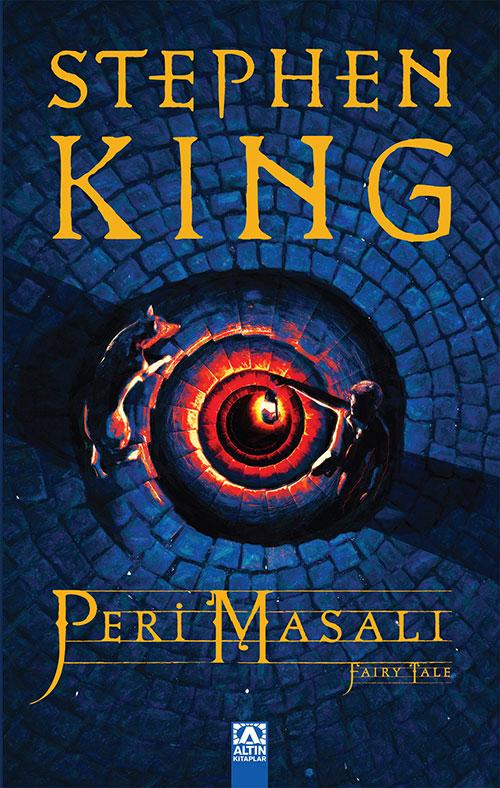
Fairy Tale
Author(s) | Stephen King | ||||||||
|---|---|---|---|---|---|---|---|---|---|
Type(s) | Novel | ||||||||
Number of Pages | 704 | ||||||||
Stephen King’s novel *Fairy Tale* incorporates the fear and tension elements familiar to King’s fans while also offering depth within the fantasy adventure genre. Roman moves beyond the typical fairy tale to present a more darkness and complex narrative.
*Fairy Tale* centers on Charlie Reade, a young man who, while grappling with his inner struggles and past hardships, discovers a portal in his town that opens into a mysterious and enchanting world. This portal leads to a unique realm inhabited by fantastical creatures and magical events. The novel explores themes of the conflict between good and evil, growth, loss, and redemption, while also showcasing King’s character development skills. Filled with surprising twists, the story keeps readers constantly curiosity.
Charlie Reade emerges as a compassionate yet resilient head character. Alongside him, a variety of original and compelling supporting characters play vital important roles in the story. King delves deeply into his characters’ psyches, skillfully portraying their fears, hopes, and internal conflicts. This enables readers to easily form a vine with them.
Stephen King maintains his signature compelling and fluid narrative style in this novel. His detailed descriptions and powerful dialogue draw readers into the heart of the story. Moreover, King’s mastery in building tension encourages readers to turn pages rapidly, creating a cause effect.
In this work, King takes classic fairy tale elements and infuses them with his own dark, enchanting touch. The novel’s appeal to both horror enthusiasts and fans of fantasy literature makes it attractive to a broad readership. With its captivating story, strong characters, and masterful storytelling, *Fairy Tale* once again demonstrates Stephen King’s literary prowess. The depth and originality expected from King are fully evident in *Fairy Tale*.
King, Stephen. 2022. Fairy Tale. Altın Kitaplar. 2023

Fairy Tale
Author(s) | Stephen King | ||||||||
|---|---|---|---|---|---|---|---|---|---|
Type(s) | Novel | ||||||||
Number of Pages | 704 | ||||||||
Plot and Themes
Characters and Development
King’s Narrative Style