


This article was automatically translated from the original Turkish version.

We all experience fear from time to time, but some fears become so intense that they can significantly affect our lives. Fear of earthquakes, known as seismophobia, is one such fear. If you have experienced a major earthquake or are constantly exposed to earthquake news, this fear can grow beyond what is typical. So how can we cope with it? Let us explore what seismophobia is, why it develops, and what we can do to overcome it.
Seismophobia is the anxiety and fear experienced during an earthquake or even when simply thinking that an earthquake might occur. For instance, when the sky darkens slightly or the ground shakes a little, and suddenly panic sets in—that is the most typical manifestation of this fear. Some people feel this fear even if they have never experienced an earthquake, because constant exposure to earthquake reports in the media can heighten anxiety. Sometimes, a past earthquake experience lingers with a person for years. As someone who has lived through an earthquake, feeling that fear and anxiety is entirely normal. But this fear should not compromise the quality of your life.
The causes of seismophobia, or fear of earthquakes, are diverse. First and foremost, if you have lived through a major earthquake, that experience may have left a lasting impression on your mind. Many people continue to feel the helplessness and terror from that moment for a long time afterward. Constantly watching earthquake news on the media can also fuel this fear. Indeed, repeatedly seeing headlines like “An earthquake will happen one day” can cause significant distress. Moreover, even if you have never experienced an earthquake yourself, stories told by others or content seen on social media can still intensify your fear.
Seismophobia often manifests through physical symptoms. Feelings such as heart palpitations, trembling, sweating, and shortness of breath are very common. These symptoms typically indicate elevated levels of anxiety. Mentally, you may be constantly haunted by thoughts like “What if an earthquake happens?” and even experience panic attacks. Additionally, social symptoms such as fear of being alone at home or reluctance to go outside are frequently observed.
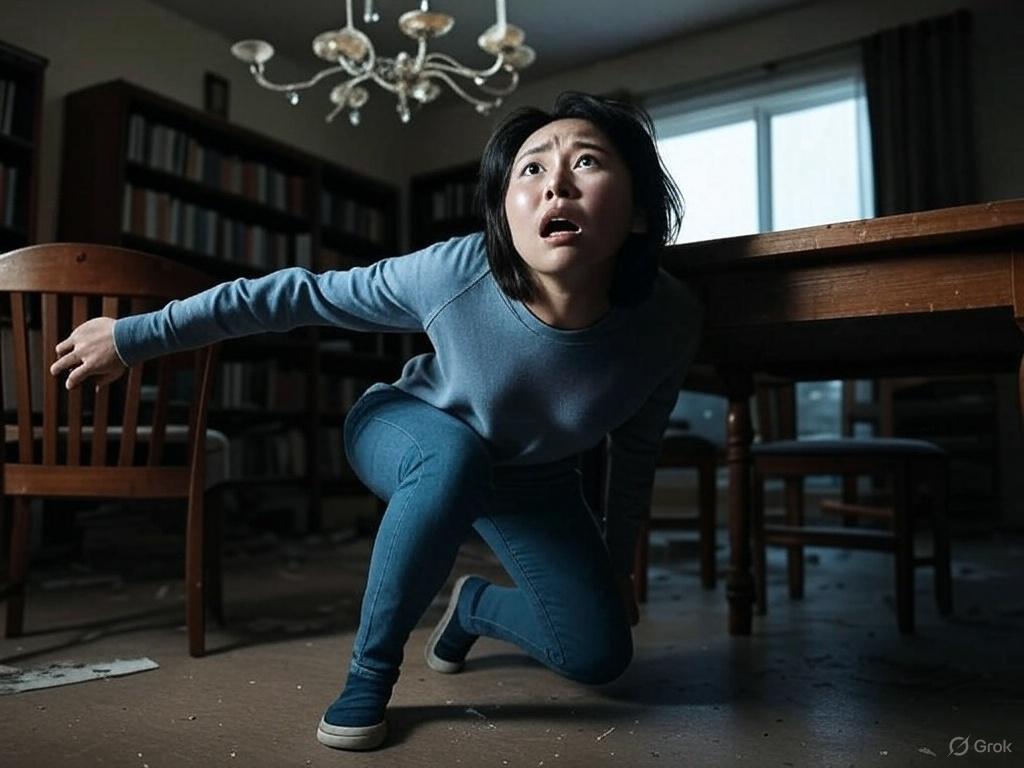
Visual representing seismophobia behavior (generated by artificial intelligence)
Now let us turn to the most important part: how can we cope with seismophobia?
Awareness and Acceptance
Acknowledging your fear can be the first step. Create space for yourself by saying, “Yes, I am feeling this fear.” Fear is a natural emotion, so do not blame yourself for it.
Relaxation Techniques
Techniques such as deep breathing, meditation, and relaxation exercises are highly effective in reducing anxiety. Even just ten minutes a day can help calm your mind and lessen your fear.
Seek Professional Help
If your fear is negatively affecting your life, consulting a psychologist or therapist can be beneficial. Techniques such as Cognitive Behavioral Therapy (CBT) can help make your fears more manageable.
Exposure Therapy
This is a more challenging approach but confronting your fears related to earthquakes over time can help you overcome them. This may involve learning more about earthquakes or participating in earthquake drills.
Physical Activity
Exercise not only benefits the body but also calms the mind. Regular walking, jogging, or practicing yoga can reduce stress and help you feel safer.
Social Support
Openly discussing your fear with family members, friends, or loved ones and receiving their support is crucial. Sharing your fears reminds you that you are not alone.
In conclusion, seismophobia, or fear of earthquakes, is a completely natural emotion. Rather than feeling guilty about it, try to understand this feeling. Over time, with the right techniques and support, you will see your fear diminish. Remember, every fear can eventually be brought under control, and with each step you take, you grow stronger. Believe in yourself, prepare adequately, and begin taking steps to overcome this fear!
Hisar Hospital. "Deprem Korkusu ve İnsan Üzerindeki Etkileri Nelerdir?" Hisar Hospital Blog. Accessed April 25, 2025. https://hisarhospital.com/deprem-korkusu-ve-insan-uzerindeki-etkileri-nelerdir/.
Life Hospitals. "How Can We Cope with Earthquake Fear?" Life Hospitals Blog. Accessed April 25, 2025. https://www.yasamhastaneleri.com/blog_deprem-korkusu-ile-nasil-bas-edebiliriz_3347_12200_tr.
Memorial Health Group. "Deprem Korkusu (Seismophobia)." Memorial Sağlık Rehberi. Accessed April 25, 2025. https://www.memorial.com.tr/saglik-rehberi/deprem-korkusu-seismophobia.
Turkish Psychiatric Association. "Deprem Korkusu ve Psikolojik Etkileri." DergiPark. Accessed April 25, 2025. https://dergipark.org.tr/en/download/article-file/3004071.
What Is Seismophobia (Fear of Earthquakes)?
Causes of Seismophobia
Symptoms of Seismophobia
Ways to Cope with Seismophobia
Practical Tips to Reduce Seismophobia
Here are some small but effective tips to help overcome seismophobia: