


This article was automatically translated from the original Turkish version.
+2 More

https://arum.ogu.edu.tr/Sayfa/Index/80/alan-emisyonlu-taramali-elektron-mikroskobu-fe-sem
Field Emission Scanning Electron Microscopy (FE-SEM) is a microscopy technique that offers approximately ten times higher resolution than conventional scanning electron microscopes (SEM). FE-SEM enables sub-nanometer resolution (theoretically up to 0.4 nm) by using a field emission gun (FEG), and its usage rate in nanotechnology has increased by 50% in recent years. This technology plays a critical role in the detailed examination of nanostructures in materials science, electronics, and biomedical research.

SEM (1)
The main components of FE-SEM include a field emission gun (FEG) operating under high vacuum, electromagnetic lenses, scanning coils, secondary electron (SE) and backscattered electron (BSE) detectors, and a vacuum system. Secondary electrons are low-energy electrons emitted from a depth of 1–50 nm below the sample surface and provide high surface detail. In contrast, backscattered electrons reveal surface contrast based on atomic number. The differences between these signals enable FE-SEM to be used for three-dimensional topography and compositional analysis.
FE-SEM instruments provide resolution below 1.0 nm; in some systems, the theoretical limit can reach as low as 0.4 nm. The signal-to-noise ratio of the instrument is approximately 100:1, ensuring clear image quality. Additionally, the ability to operate at low voltages (1–5 kV) allows for the examination of soft and non-conductive samples without damage. This enables detailed analysis of biological tissues and polymeric materials.
FE-SEM systems are typically integrated with energy dispersive X-ray spectroscopy (EDS). EDS can detect elements with a sensitivity of 0.1%, but accuracy is limited for light elements such as carbon and oxygen. Thanks to this technology, both morphological and chemical composition data of samples can be obtained simultaneously, providing a significant advantage in materials characterization.
In FE-SEM instruments operating under high vacuum, insulating samples typically require a coating of gold or carbon 5–10 nm thick. This coating prevents surface charging and improves image quality. In models operating under low vacuum conditions, the need for coating is reduced, but resolution may decrease by 10–20%.
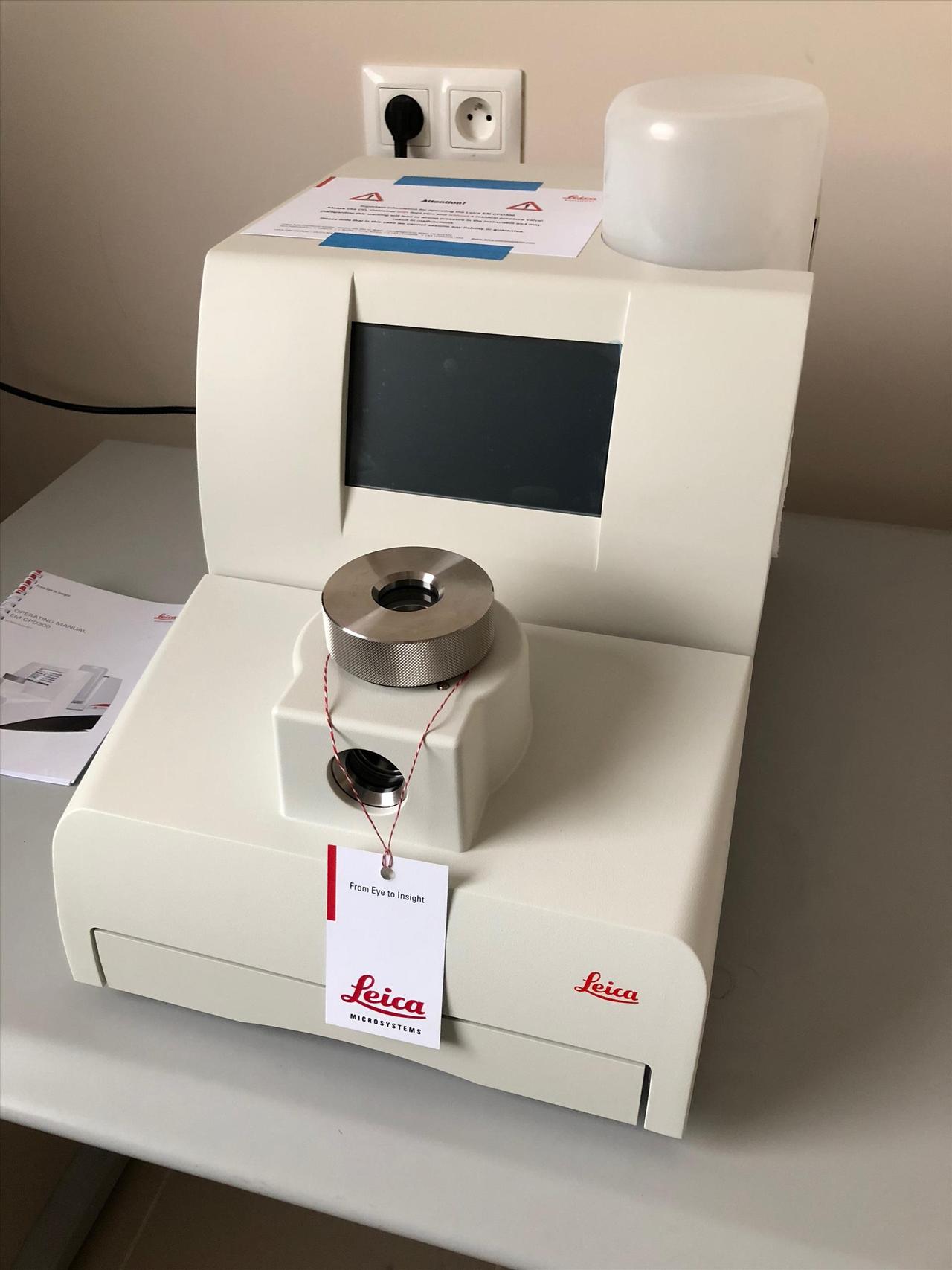
Critical Point Drying (2)
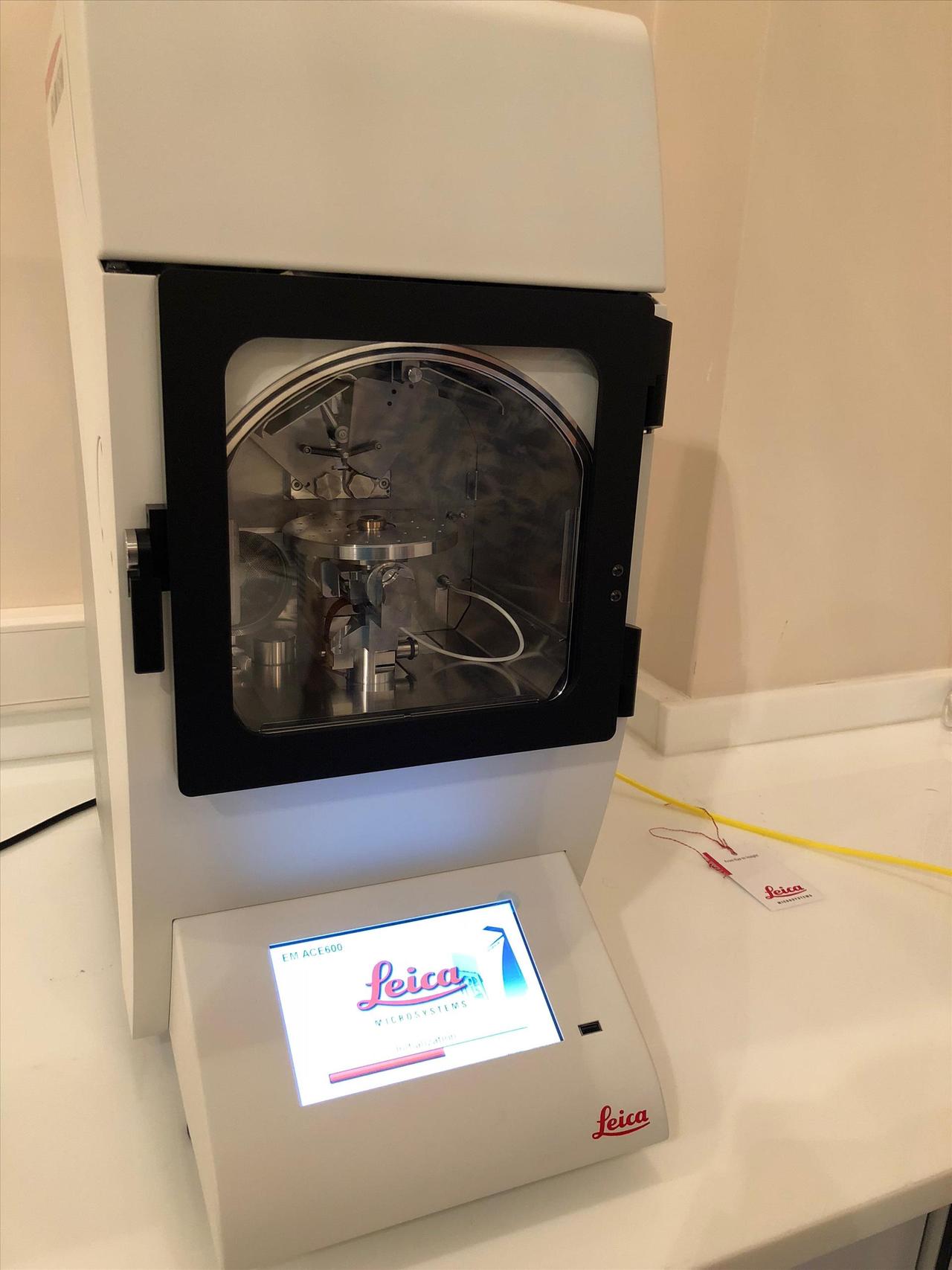
Sample Coating (3)
FE-SEM is widely used in nanotechnology, materials science, biomedical engineering, and electronics. For example, in Türkiye, the GUTMAM laboratory at Gazi University utilizes FE-SEM for nanoparticle analysis and surface morphology studies. Additionally, applications such as detailed imaging of graphene structures and bone tissue research are increasingly being conducted in Türkiye.

https://arum.ogu.edu.tr/Sayfa/Index/80/alan-emisyonlu-taramali-elektron-mikroskobu-fe-sem
No Discussion Added Yet
Start discussion for "Field Emission Scanning Electron Microscope (FE-SEM)" article
System Components and Imaging Mechanism
Technical Specifications and Advantages
Chemical Analysis Capability
Sample Preparation and Vacuum Conditions
Applications and Examples from Türkiye