

This article was automatically translated from the original Turkish version.
Opening | Fédération Internationale de Football Association (International Federation of Football Associations) | ||||||||
|---|---|---|---|---|---|---|---|---|---|
Founding Date | 21 May 1904 | ||||||||
Place of Establishment | Paris, France | ||||||||
Founding Countries | Belgium, Denmark, France, Netherlands, Spain, Sweden, Switzerland | ||||||||
Headquarters | Zurich, Switzerland | ||||||||
Number of Members | 211 national federations | ||||||||
President | Gianni Infantino (2016 - ) | ||||||||
Largest Organization | FIFA World Cup (first held in 1930) | ||||||||
Official Website | www.fifa.com | ||||||||
The Fédération Internationale de Football Association (FIFA) is a global sports organization established in 1904 to regulate and manage football at the international level. Founded in Paris, the capital of France, it has since become one of the most widely inclusive sports institutions in the world. Since its inception, FIFA has assumed authority and responsibility for the rules of football, tournament organization and global development, coordinating continental operations through its member associations. Today, the organization organizes world tournaments across various age categories for both men and women and plays a central role in football governance, ethical oversight, development programs and disciplinary processes.
The Fédération Internationale de Football Association (FIFA) was founded on 21 May 1904 in Paris, the capital of France. The driving force behind its establishment was French journalist Robert Guérin, who was also elected as its first president. The seven founding members of FIFA were Belgium, Denmark, France, the Netherlands, Spain (represented by the Real Madrid club), Sweden and Switzerland.
This organization emerged from the need to standardize football under common rules as the sport rapidly spread across different countries and international matches increased in number. Although football was already widespread in Europe and managed by national federations, there was a perceived lack of international authority. FIFA was established to fill this void and assume responsibility for organizing, managing and developing football on a global scale.
At the founding meeting, Germany expressed support but did not send a representative to the Paris gathering. After Robert Guérin, British football administrator Daniel Woolfall was elected president in 1906, during whose tenure the rules of football were further standardized. The football tournament held at the 1908 London Olympics was also a product of this period.
FIFA’s headquarters were moved to Zurich, Switzerland, shortly after its founding. Today, FIFA is an organization with over 200 national member associations worldwide. This expansion has reflected football’s global adoption and enhanced the international impact of FIFA’s events, particularly the World Cup. The first FIFA World Cup was held in Uruguay in 1930, further solidifying FIFA’s influence.
FIFA has evolved beyond merely organizing tournaments to become the overarching body that sets the rules of football and guides its development. Today, FIFA collaborates with six continental confederations: UEFA, CONMEBOL, CONCACAF, AFC, CAF and OFC.
The founding of FIFA was not merely the beginning of a sports organization but a pivotal moment in the modernization and globalization of football. Starting with only seven members at its inception, the organization now has 211 members as of 2024 and has become the most widespread sports body in the world.

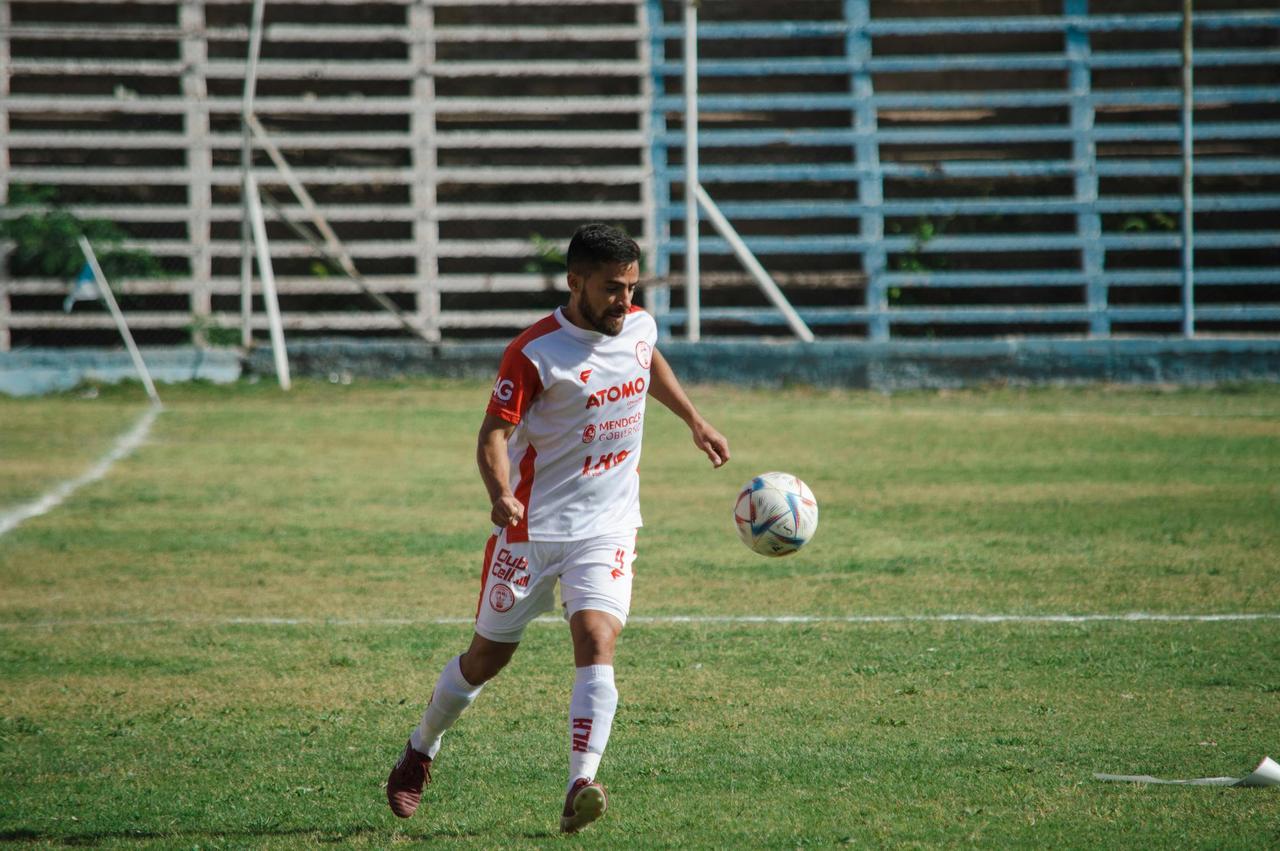
Futbola dair bir kare- (pexels)
FIFA’s most recognized responsibility is organizing the World Cup tournaments for men and women, held every four years. The men’s FIFA World Cup, first held in 1930, has become one of the most-watched sporting events globally. The Women’s World Cup was first held in China in 1991. FIFA also organizes world championships in youth categories and other disciplines such as futsal.
FIFA does not determine the universal rules of football; this responsibility belongs to an independent body known as the International Football Association Board (IFAB). However, since 1913, FIFA has been a member of IFAB with voting rights and shares equal voting power with the four home nations’ associations (England, Scotland, Wales and Northern Ireland).
FIFA is an organization comprising 211 national football associations worldwide. These associations are grouped into six continental confederations: UEFA (Europe), CONMEBOL (South America), CONCACAF (North and Central America and the Caribbean), CAF (Africa), AFC (Asia) and OFC (Oceania). FIFA represents these associations, coordinates their relationships and provides financial support when necessary.
FIFA implements various development projects aimed at increasing access to football and promoting its expansion in underdeveloped or developing regions. These include support for infrastructure investment, educational programs, referee and coach training. The Global Football Development programs led by Arsène Wenger are a key component of this objective.
FIFA oversees international player transfers and ensures their orderly conduct through the FIFA Transfer Matching System (TMS). It also holds authority over ethical and disciplinary matters. The FIFA Football Tribunal, established in 2021, resolves disputes between associations, clubs, players and managers.
The FIFA Congress holds the authority to select host countries for the World Cup. The Congress also approves FIFA’s budget and elects the president and members of the FIFA Council. The FIFA Council makes strategic decisions regarding the organization and oversees its secretariat. The Council also appoints the Secretary General.
Since the corruption scandal of 2015, FIFA has moved toward a more transparent governance model. Structures such as the Audit and Compliance Committee have been established and ethics bodies strengthened. FIFA’s financial operations and administrative decisions are now monitored by these units.
Anadolu Ajansı. "FIFA, Kuruluşunun 120. Yılını Kutladı." Anadolu Ajansı, May 22, 2024.https://www.aa.com.tr/tr/futbol/fifa-kurulusunun-120-yilini-kutladi/3226805.
Fédération Internationale de Football Association. "All Topics." FIFA. Accessed May 20, 2025.https://inside.fifa.com/all-topics.
Türkiye Futbol Federasyonu. "FIFA Hakkında." TFF. Accessed May 20, 2025.https://www.tff.org/default.aspx?pageID=356.

Opening | Fédération Internationale de Football Association (International Federation of Football Associations) | ||||||||
|---|---|---|---|---|---|---|---|---|---|
Founding Date | 21 May 1904 | ||||||||
Place of Establishment | Paris, France | ||||||||
Founding Countries | Belgium, Denmark, France, Netherlands, Spain, Sweden, Switzerland | ||||||||
Headquarters | Zurich, Switzerland | ||||||||
Number of Members | 211 national federations | ||||||||
President | Gianni Infantino (2016 - ) | ||||||||
Largest Organization | FIFA World Cup (first held in 1930) | ||||||||
Official Website | www.fifa.com | ||||||||
Founding Date and First President
Founding Purpose and Historical Context
Early Developments and Leadership Change
Headquarters and Membership Expansion
Global Governance Structure
Historical Significance and Current Status
FIFA’s Responsibilities
Organization of International Tournaments
Formulation and Oversight of Football Rules
Oversight and Representation of Member Associations
Promoting Global Development of Football
Management of Player Transfers and Disciplinary Processes
World Cup Host Selection and Budget Approval
Ethics and Transparency Oversight in Football