

This article was automatically translated from the original Turkish version.
+2 More
Gagaku is a traditional court music and dance art of Japan with a history spanning over a thousand years. This art encompasses ancient Japanese songs, instrumental music, and dances that accompany vocal performances. Historically, it was performed during imperial palace ceremonies, banquets, and state events. Gagaku integrates native Japanese traditions with musical and dance elements originating from continental Asia, particularly China and Korea, ensuring cultural continuity. In 2009, it was inscribed on UNESCO’s Representative List of the Intangible Cultural Heritage of Humanity.

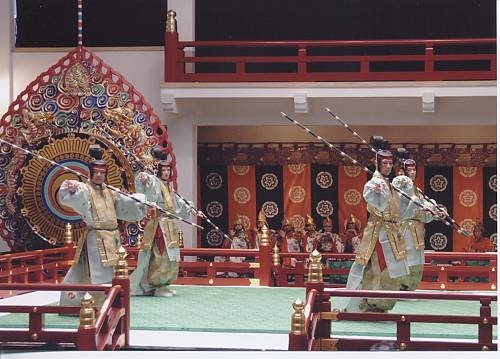
Gagaku Performance (UNESCO)
Gagaku evolved from the fusion of indigenous Japanese music and dance forms with musical traditions introduced from continental Asia. Beginning in the 7th century, music from China and Korea blended with native Japanese song and dance traditions, forming a systematic style by the 10th century. Passed down through generations under imperial patronage, gagaku continues to be performed today in court ceremonies and special recitals.
Gagaku performances are classified into three main forms according to their content and function:
These include ancient Japanese songs accompanied by simple dance movements. They serve a ceremonial role in court rituals and official events.
This form features compositions performed with wind, string, and percussion instruments alongside ceremonial dances. Music and dance are presented in harmonious coordination, balancing rhythm and melody.
This form involves the vocal rendition of Chinese poetry and Japanese folk songs accompanied by dance. It exemplifies cultural synthesis and historical heritage.
The instruments used in gagaku create its distinctive sound and rhythm. They can be grouped into three main categories:
Gagaku holds historical and ritual significance in Japanese culture. It continues to be performed in court ceremonies and official events, transmitted from master to apprentice. Recognized in 1955 as an Important Intangible Cultural Property of Japan, gagaku was inscribed on UNESCO’s Representative List in 2009, affirming its international cultural value. Gagaku ensembles in select universities and cultural centers around the world continue to offer education and public performances.
Gagaku Performance (YouTube)

Historical Development
Performance Forms
Vocal Performances (Kuniburi no Utamai)
Instrumental Music and Dance
Poetry and Vocal Music (Utamono)
Instruments
Wind Instruments
String Instruments
Percussion Instruments
Cymbals and Other Small Percussion Instruments
Cultural Context and Preservation