


This article was automatically translated from the original Turkish version.

Galactic 01 is the first commercial space flight conducted by Virgin Galactic on 29 June 2023. This mission is regarded as a milestone in space research and marks the first suborbital research flight carried out in collaboration between the Italian Air Force and the Italian National Research Council (CNR). The flight enabled the execution of 13 distinct scientific experiments—both crewed and autonomous—in microgravity conditions, making it a pioneering mission that bridges scientific research and commercial space tourism.
Following years of test flights, Virgin Galactic successfully completed its first commercial mission on 29 June 2023. The flight originated from Spaceport America in New Mexico. After the carrier aircraft VMS Eve reached an altitude of 44,500 feet, the spacecraft VSS Unity was released. VSS Unity then ascended to an altitude of 52.9 kilometers, achieving a speed of Mach 2.88, and successfully returned to Earth approximately one minute later.
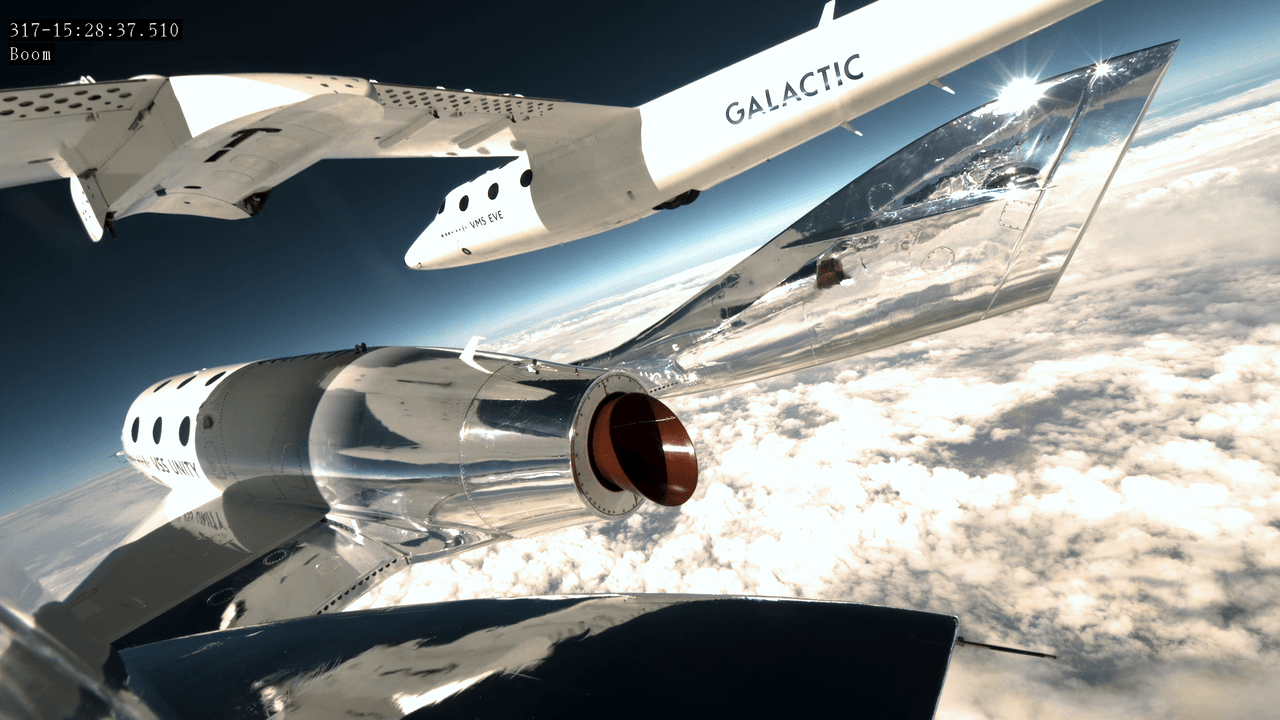
Separation of the carrier aircraft VMS Eve from VSS Unity — VSS Unity begins its climb toward suborbital space after detachment from VMS Eve. (Virgin Galactic)
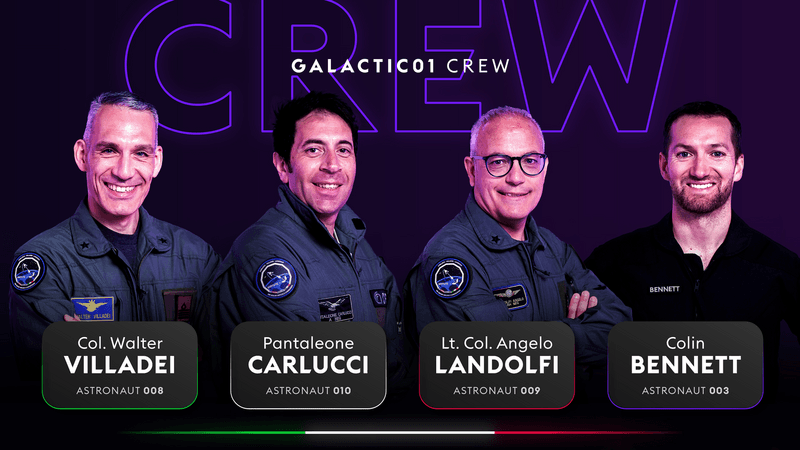
Galactic 01 Crew — Virgin Galactic
The Galactic 01 mission was commanded by Nicola Pecile, pilot of the VSS Unity spacecraft, and Mike Masucci, its commander. The carrier aircraft VMS Eve was piloted by Kelly Latimer and Jameel Janjua. The mission carried the following scientists and astronauts:
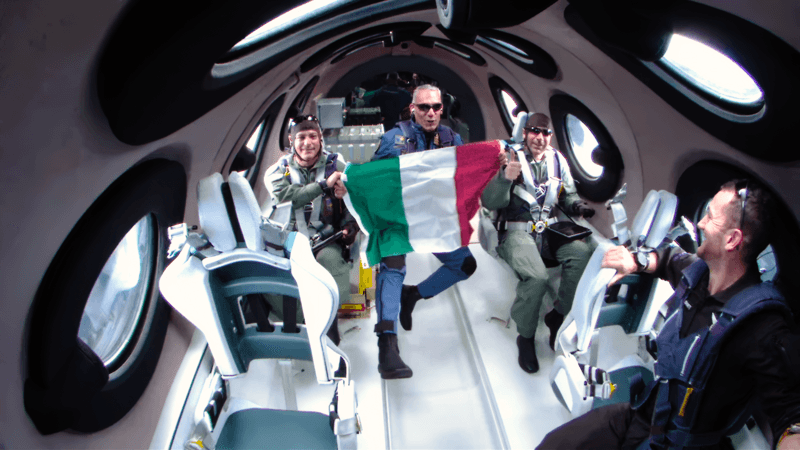
Crew in zero gravity inside the spacecraft with the Italian flag. (Virgin Galactic)
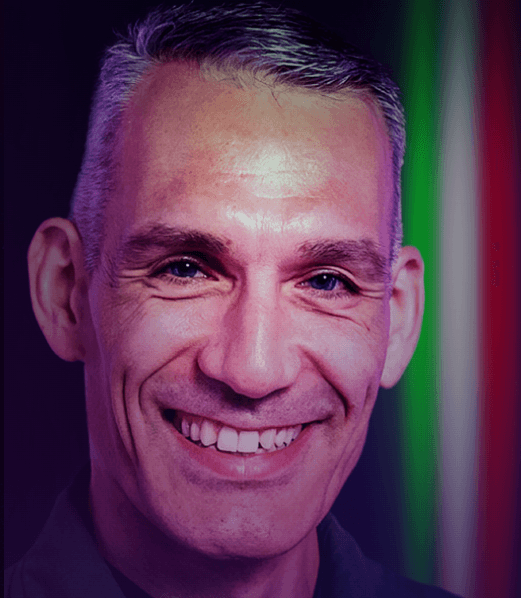
Col. Walter Villadei / Mission Commander — Astronaut 008, Italian Air Force — Virgin Galactic
Col. Villadei is an astronaut qualified to operate aboard Soyuz spacecraft and the International Space Station (ISS), supported by Orlan EVA training and numerous analog simulation programs. He began professional astronaut training with NASA through Axiom Space in 2021 and was designated as backup pilot for the Ax-2 mission in 2022. Having completed centrifuge, parabolic flight, survival, and multidisciplinary training, Villadei assumed responsibilities during Galactic 01 for payload management and biometric data collection.
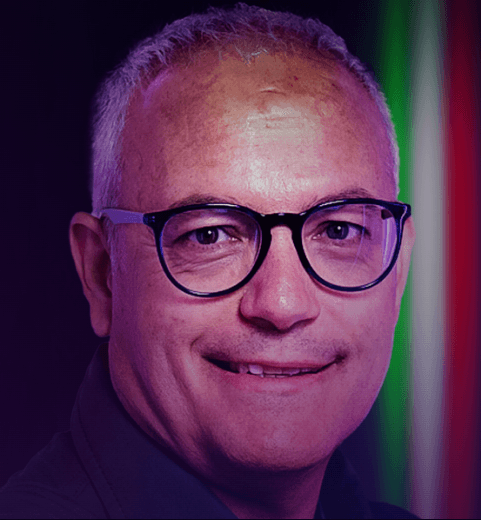
Lt. Col. Angelo Landolfi / Physician — Astronaut 009, Italian Air Force — Virgin Galactic
Lt. Col. Landolfi specializes in medicine, surgery, hyperbaric medicine, and forensic medicine. He holds advanced degrees and a doctorate in sports medicine, space medicine, toxicology, and forensic science. As part of his flight surgeon training, he received instruction as a flight test surgeon and space surgery specialist. During Galactic 01, he conducted experiments measuring cognitive performance of the human brain under microgravity and studied the interaction of liquids and solids in microgravity environments.
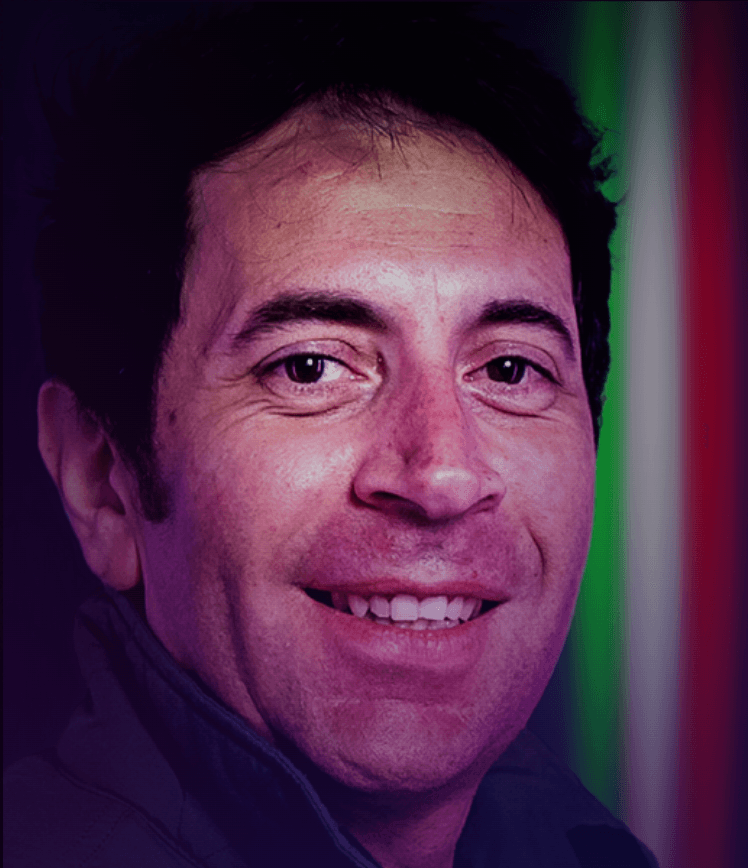
Pantaleone Carlucci / Engineer — Astronaut 010, Italian National Research Council (CNR) — Virgin Galactic
Carlucci is an expert in scientific instrumentation engineering for aircraft platforms and serves as an energy engineer and pilot at CNR. He has participated in coordination projects for stratospheric platforms and air-launch systems. His research includes payload deployment, sensor calibration, and analysis of physiological signals during space missions. During Galactic 01, he integrated multi-sensor systems to measure launch acceleration, engine function, and crew activity, serving as a flight engineer for biometric analysis under microgravity.
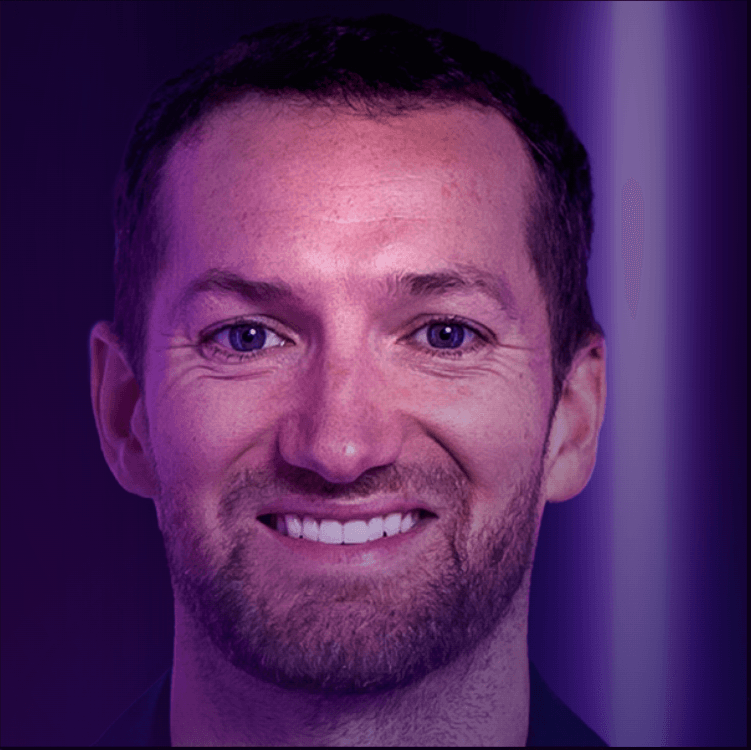
Colin Bennett / Astronaut Trainer — Astronaut 003, Virgin Galactic — Virgin Galactic
Colin Bennett led the training and preparation of the Italian Air Force crew during the mission as their astronaut trainer. He also participated alongside the crew during flight to evaluate the research experience. Bennett was part of Virgin Galactic’s first crewed flight, Unity 22, and has previously held various roles including in Mission Control and Flight Operations.
The Galactic 01 mission was executed by experienced pilots capable of managing the technical complexity of the suborbital flight and the high-precision landing and launch operations. Below are the profiles of the pilots involved.
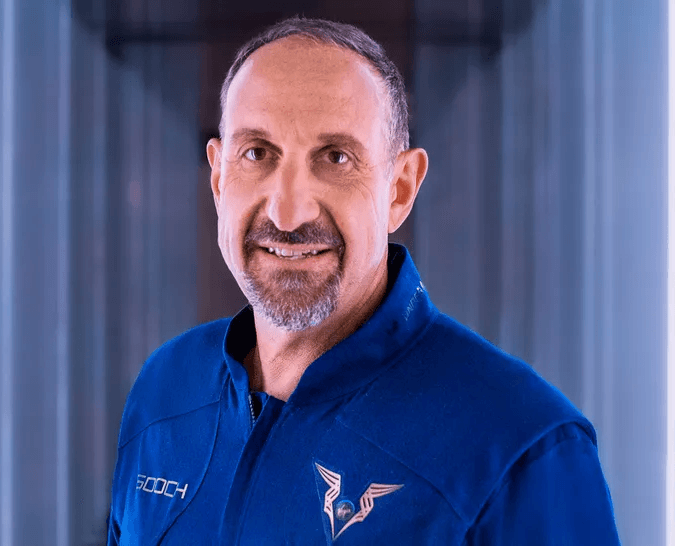
Mike Masucci / Commander — VSS Unity — Virgin Galactic
Mike Masucci began his flight career in 1982 and has flown over 80 different aircraft types during more than 40 years of service. He has operated high-performance aircraft such as the U-2, F-16, T-38, and Citation X. With over 10,000 flight hours, Masucci served as commander of VSS Unity and played a critical role in ensuring its safe and precise return to Earth during Galactic 01.
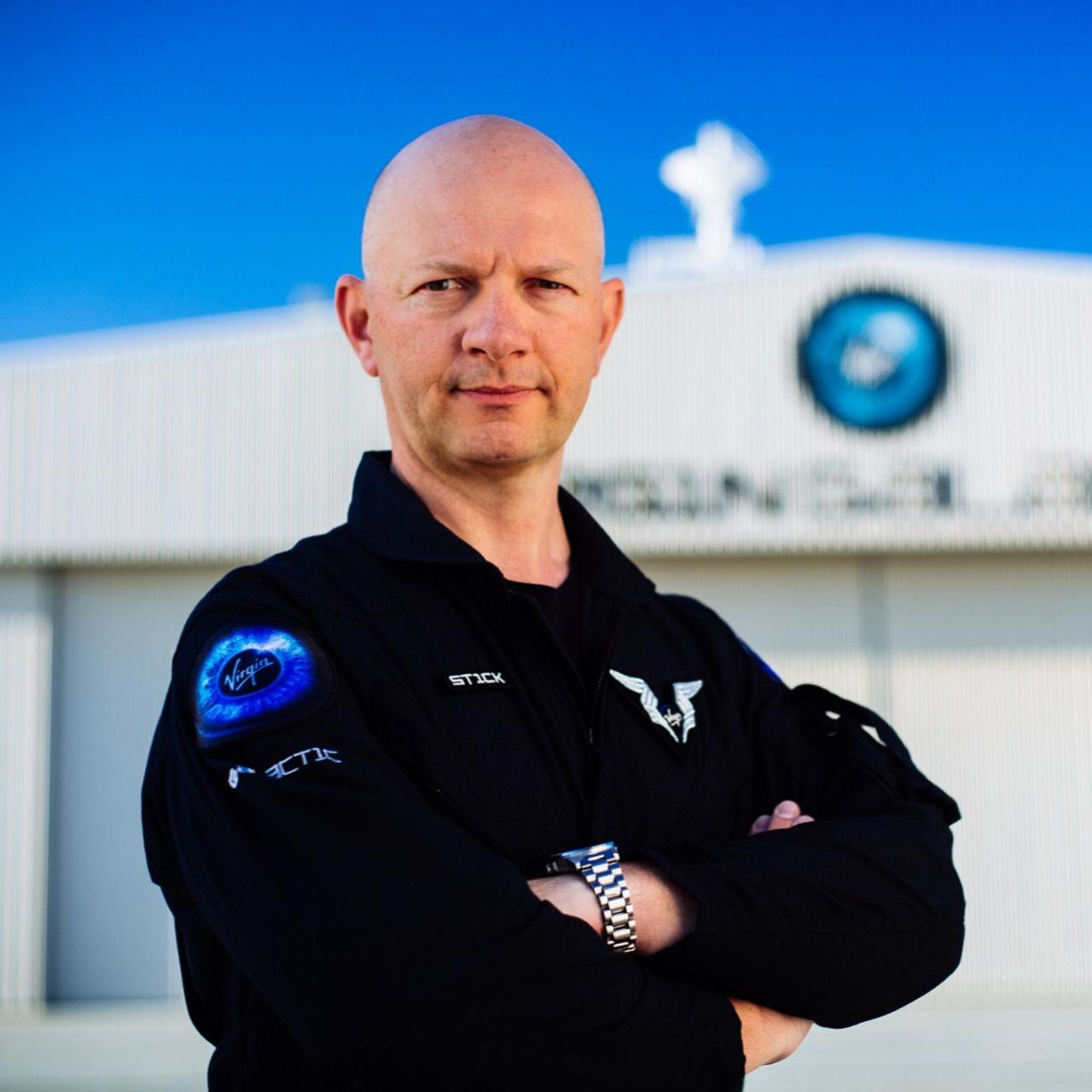
Nicola Pecile / Pilot — VSS Unity — Virgin Galactic
Nicola Pecile has been active in aviation since 1991 and has accumulated experience across 170 different flight types. He has served on military platforms such as the Tornado FMK, Tornado 3 ADV, and NH-500E helicopter, accumulating over 7,700 flight hours. During Galactic 01, he was responsible for critical phases including suborbital flight control and spacecraft maneuvering throughout the mission.
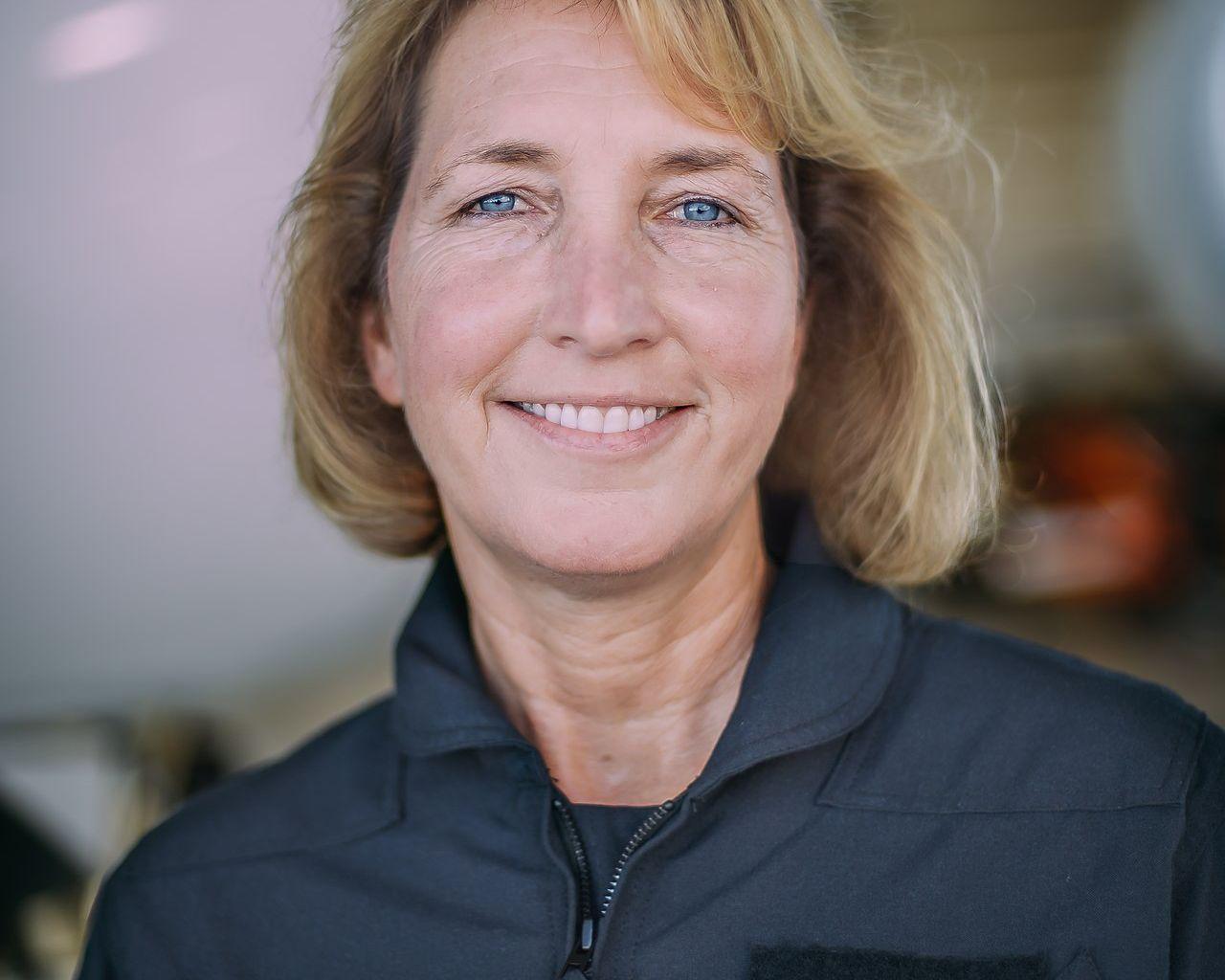
Kelly Latimer / Commander — VMS Eve — Virgin Galactic
Kelly Latimer began her aviation career in 1989 and has flown numerous military and civilian aircraft including the T-38, C-141, C-17, T-34, and B-747SP. With experience in over 50 aircraft types and more than 6,700 flight hours, Latimer commanded the carrier aircraft VMS Eve during launch and carriage operations for Galactic 01.
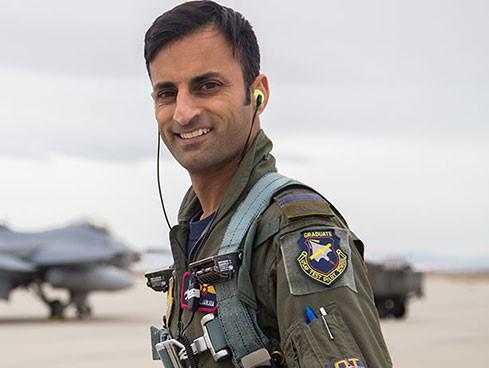
Jameel Janjua / Pilot — VMS Eve — Virgin Galactic
Jameel Janjua began his flight career in 1995 and has served on a wide range of aircraft including the CF-18, F-16, Tornado GR4, F-15, and Learjet. With experience in over 60 aircraft types and more than 4,000 flight hours, Janjua served as the co-pilot during Galactic 01, assisting in the control of the carrier aircraft.
The primary objective of the Galactic 01 mission was to generate scientific data in a microgravity environment and investigate its effects on human physiology and material behavior. The mission’s key objectives are summarized below:
Table 1. Scientific Research Objectives of the Galactic 01 Mission
The experiments conducted during the Galactic 01 flight successfully fulfilled the predefined scientific objectives. A total of 13 experiments were carried out across fields including biomedical analysis, thermo-fluid behavior, and material performance under microgravity.
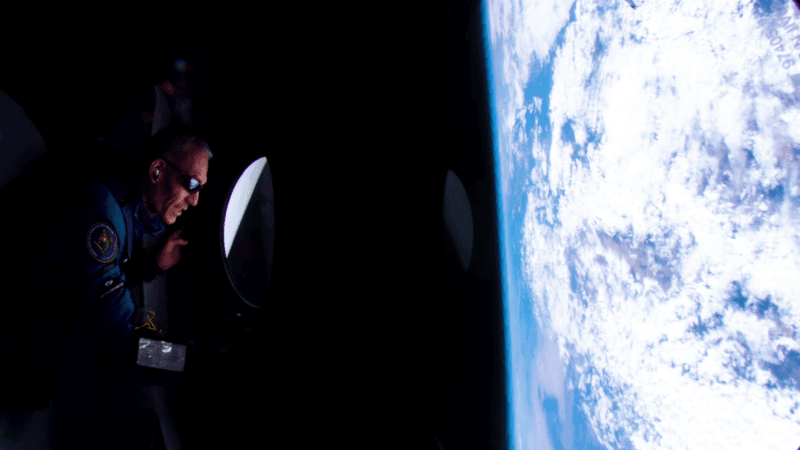
View from outside the spacecraft by Col. Walter Villadei (Virgin Galactic)
The human body’s physiological responses during the transition from hypergravity to microgravity were meticulously recorded using wearable sensors and onboard autonomous systems. The high-precision data obtained through these technologies provides foundational scientific insights for both short-duration suborbital missions and long-term space missions.
Galactic 01 has secured its place in the literature not only as a commercial milestone but also as a compelling demonstration that meaningful scientific research can be conducted in a microgravity environment.
Virgin Galactic CEO Michael Colglazier stated after the flight:
"Our team successfully launched six crew members and more than a dozen research payloads into space aboard our unique suborbital science laboratory, VSS Unity. This historic flight was our first commercial mission and our first private commercial research mission, ushering in a new era of reusable and reliable access to space for private passengers and researchers. Our first private astronaut mission, 'Galactic 02,' is planned for August and we anticipate monthly space missions with VSS Unity, while we continue developing our future fleet of spacecraft to reach a global audience." 【1】
Mission Commander Col. Walter Villadei evaluated this historic achievement as follows:
"I feel more than honored to be part of this historic spaceflight. 'Galactic 01' is an incredible success — Italy’s first commercial suborbital research space mission, made possible through long-standing collaboration between the Italian Air Force and the Italian National Research Council. On the centenary of both institutions, we are reaching the highest point in our history. This pioneering partnership is propelling Italy into a new era of commercial spaceflight, encouraging innovation and opening the path for further technological advancement in this strategic field. Together with Virgin Galactic, we have set a precedent for future endeavors and the limitless possibilities ahead. Today, we honor not only those who made this magnificent flight possible, but also everyone who, over the past 100 years, has dedicated their lives to our beliefs. Virtute Siderum Tenus." 【2】
Sirisha Bandla provided the following assessment from a research operations perspective:
"We are proud that our first commercial spaceflight successfully carried out the first suborbital research experiments by the Italian Air Force and the Italian National Research Council. This successful mission offers us a promising preview of how reliable access to space can unlock new discoveries to advance scientific knowledge." 【3】
Galactic 01 has created a multidimensional impact by demonstrating that space travel is not only a technological endeavor but also a scientific, diplomatic, and societal one. This first suborbital mission conducted by a commercial company in collaboration with scientific institutions has proven the feasibility of public-private partnerships in space research.
This mission, carried out with Italy’s national institutions, represents a significant milestone not only for its scientific outputs but also for international prestige and strategic cooperation in space. By validating the reliability of data collected under microgravity, the mission has generated direct insights to inform the design of future long-duration human space missions.
Moreover, the new era initiated by Galactic 01 demonstrates Virgin Galactic’s capacity to offer regular and accessible spaceflights to both researchers and private individuals in future missions. In this regard, the mission has become a powerful example that the future space research ecosystem can be built on commercial, inclusive, and sustainable foundations.
Pre-flight preparations, crew boarding, and launch moments of the Galactic 01 mission. (Virgin Galactic)
Suborbital flight of the Galactic 01 mission, microgravity environment, and crew observing Earth. (Virgin Galactic)
[1]
Michael Colglazier, “Virgin Galactic Completes Inaugural Commercial Spaceflight,” Virgin Galactic, 29 June 2023, https://press.virgingalactic.com/virgin-galactic-completes-inaugural-commercial-spaceflight?collection=4Gsfl8XacC41wjA6URhnQb.
[2]
Walter Villadei, “Virgin Galactic Completes Inaugural Commercial Spaceflight,” Virgin Galactic, 29 June 2023, https://press.virgingalactic.com/virgin-galactic-completes-inaugural-commercial-spaceflight?collection=4Gsfl8XacC41wjA6URhnQb.
[3]
Sirisha Bandla, “Virgin Galactic Completes Inaugural Commercial Spaceflight,” Virgin Galactic, 29 June 2023, https://press.virgingalactic.com/virgin-galactic-completes-inaugural-commercial-spaceflight?collection=4Gsfl8XacC41wjA6URhnQb.

History
Mission Crew and Spacecraft
Crew
Pilots
Mission Objectives
Contributions and Experiments
Statements
Impact and Legacy