


This article was automatically translated from the original Turkish version.
+1 More
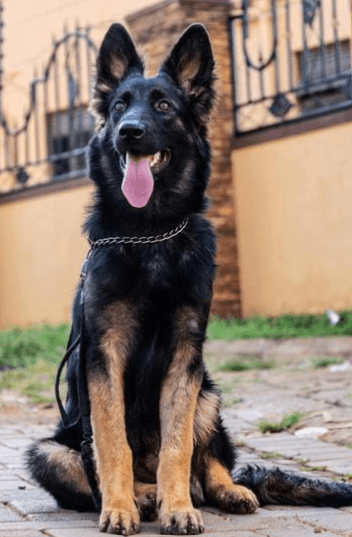
Alman Çoban Köpeği
(Yapay Zeka ile Oluşturulmuştur)
German Shepherd Dog (Canis lupus familiaris) is a dog breed originating from Germany, developed for herding and working purposes. Known for its intelligence, trainability, physical endurance, and versatile working abilities, this breed is used in various fields such as livestock herding, protection, search and rescue, police, and military duties. Classified as medium to large in size, the German Shepherd Dog attracts attention with its muscular build and athletic appearance.

German Shepherd Dog (Canis lupus familiaris)
(Generated by Artificial Intelligence)
The German Shepherd Dog was developed in Germany in the late 19th century. The primary goal in breeding this breed was to create a robust, disciplined, and highly capable herding dog.
Through selective breeding and standardization, this breed gradually came to be used not only for herding but also for security and service roles. Recognized by international kennel clubs, the German Shepherd Dog has become widespread globally.【1】
The German Shepherd Dog is a medium to large breed. Males are typically larger and heavier than females. Its body structure is muscular, balanced, and athletic. The back line may have a slight slope. Ears are erect and triangular in shape. The tail is long and bushy.
The coat is mostly double-layered. The outer coat is medium in length and dense, while the undercoat is thick and insulating. Although coat colors vary, combinations of black and brown tones are common. Solid black or other color combinations are also observed.
The German Shepherd Dog is known for its high intelligence and learning capacity. Its willingness to be trained and rapid response to commands make it ideal for service and working roles. It can display loyalty and protective behavior toward its owners and may be cautious around strangers.
As an energetic and active breed, it requires regular exercise. Lack of physical activity or mental stimulation can lead to behavioral problems. Early socialization and consistent training are essential for developing a balanced temperament.
The German Shepherd Dog requires regular grooming, especially during seasonal shedding periods when more frequent brushing is recommended. Due to its high exercise needs, it is important that it has access to ample space for movement.
Its diet should be tailored according to age, weight, and activity level. High-quality food with balanced and adequate nutrition is preferred. Proper nutrition during the growth phase is crucial for healthy bone and muscle development.
The German Shepherd Dog may be prone to certain hereditary health issues, particularly orthopedic conditions such as hip and elbow dysplasia. Regular veterinary checkups and appropriate nutrition help maintain overall health.
Its lifespan typically ranges from 9 to 13 years. Regular exercise, balanced nutrition, and periodic health screenings are recommended for a healthy life.
In addition to herding, the German Shepherd Dog is widely used in police, military, and search and rescue operations. Its high trainability and strong sense of smell make it a preferred choice for security and tracking tasks. It can also serve as a guide dog.
Gürbüz, İ., Aytek A. İ., Demiraslan Y., Onar V., and Özgel Ö. “Geometric Morphometric Analysis of Cranium of Wolf (Canis lupus) and German Shepherd Dog (Canis lupus familiaris).” Kafkas Üniversitesi Veteriner Fakültesi Dergisi 26, no. 4 (2020): 525–532. Accessed March 7, 2026. https://avesis.deu.edu.tr/yayin/e44d2803-bfac-44e3-9697-8ff50ecf2882/geometric-morphometric-analysis-of-cranium-of-wolf-canis-lupus-and-german-shepherd-dog-canis-lupus-familiaris1-kurt-ve-alman-coban-kopeginde-kafatasinin-geometrik-morfometrikanalizi
Humphries, A., A. F. Shaheen, and C. B. Gómez Álvarez. “Different Conformations of the German Shepherd Dog Breed Affect Its Posture and Movement.” *Scientific Reports* 10 (2020): 16924. Accessed March 7, 2026. https://doi.org/10.1038/s41598-020-73550-x
Nathaniel J. Hall, Kelsey Glenn, David W. Smith, and Clive D. L. Wynne, “Performance of Pugs, German Shepherds, and Greyhounds (Canis lupus familiaris) on an Odor-Discrimination Task,” Journal of Comparative Psychology 129, no. 3 (2015): 237–246, Accessed March 7, 2026. https://doi.org/10.1037/a0039271
[1]
Nathaniel J. Hall, Kelsey Glenn, David W. Smith and Clive D. L. Wynne, “Performance of Pugs, German Shepherds, and Greyhounds (Canis lupus familiaris) on an Odor-Discrimination Task,” Journal of Comparative Psychology 129, no. 3 (2015): 237–246, accessed 7 March 2026, https://doi.org/10.1037/a0039271

Alman Çoban Köpeği
(Yapay Zeka ile Oluşturulmuştur)
No Discussion Added Yet
Start discussion for "German Shepherd Dog (Canis lupus familiaris)" article
Origin and History
Physical Characteristics
Behavior and Temperament
Care and Nutrition
Health Status
Applications