


This article was automatically translated from the original Turkish version.
+2 More
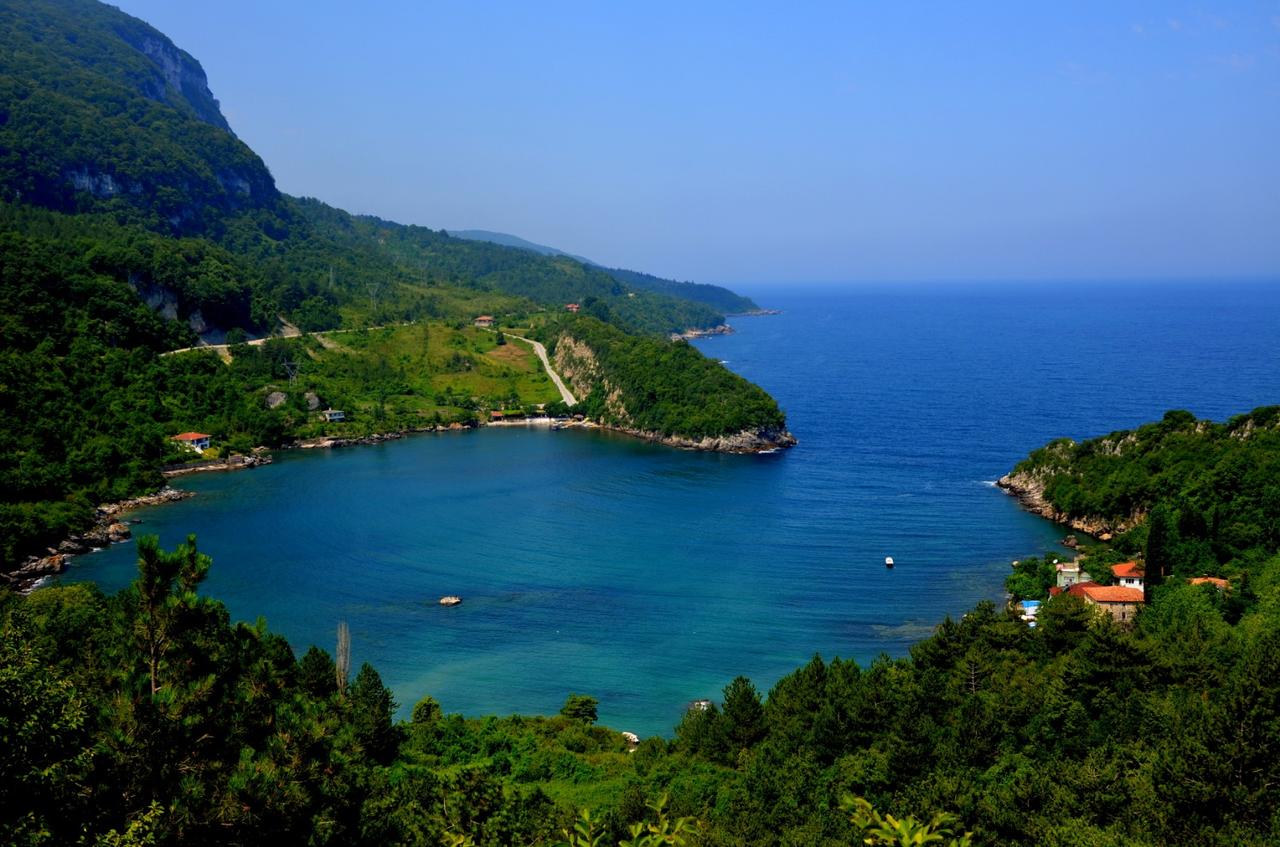
Gideros Bay is a protected coastal formation located within the boundaries of Cide district, approximately 11 kilometers from the district center, notable for its natural and historical features. Known since the Genoese period as “Kytoros,” it holds both first-degree natural and second-degree historical protected status. This bay, surrounded by boxwood, chestnut, hornbeam, and oak forests, is a destination of significance for both nature and heritage tourism due to its archaeological remains, cave systems, and Genoese ruins.
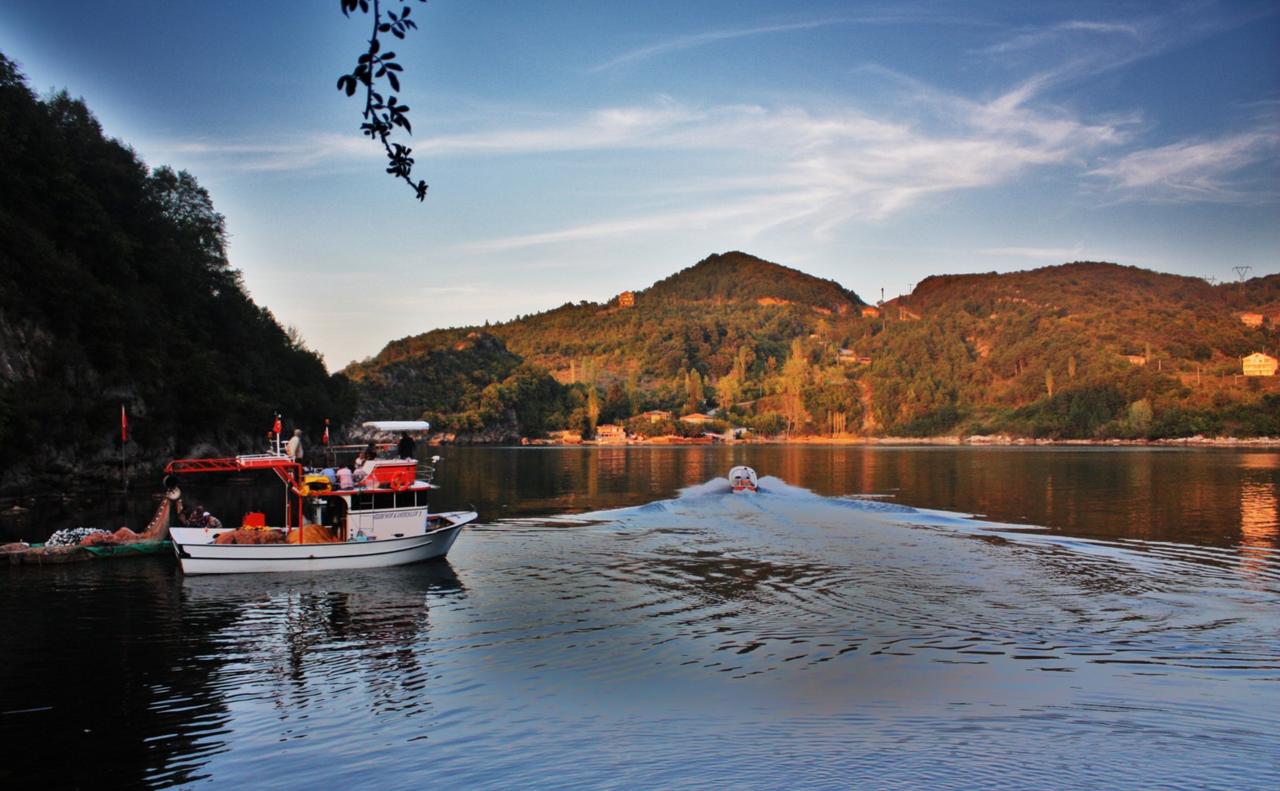
Gideros Bay (Cide Municipality)
The history of Gideros Bay extends back approximately 3,500 years to the Middle Chalcolithic period, making it one of the rare coastal settlements in the Black Sea region with an unbroken historical record. Archaeological surface surveys have uncovered Chalcolithic-era pottery fragments in the Çadır İni and Ballıcı İni caves, while ceramic artifacts and remains of religious structures from the Byzantine period have been identified in the cave known as Gideros Cave 1. Additionally, remains from the Roman-Byzantine periods, including architectural structures and various architectural traces, have survived to the present day.
The bay, referred to as “Kytoros” in ancient sources as part of the Paftlagonya region, is mentioned in Homer’s Iliad; the geographer Strabo wrote that the first settlers of the area were the Amazons. The origin of the bay’s name is likely derived from this ancient settlement. The ancient commentator Eustathius and other classical interpreters used the phrase “Carry boxwood to Gideros” (Tereciye tere satmak), indicating that Gideros was the center for high-quality boxwood products used in craftsmanship.
The Genoese period granted Gideros a special place in maritime history. During this time, the bay served as a shelter and resupply point for ships traveling between Sinop and Amasra; it also became a haven for pirates, as well as for Genoese vessels. The bay’s narrow entrance and naturally sheltered structure enhanced its dual function as both refuge and hiding place.
During the Byzantine period, the bay’s strategic importance increased, and it was used for military purposes thanks to Gideros Castle, surrounded by walls. Remains of Byzantine structures and defensive architecture can still be found around the castle. In 1284, Yavlak Arslan, the bey of the Çobanoğulları Beylik, a vassal state of the Seljuks, captured the castle after a 16-day siege. This conquest strengthened Seljuk presence in the region.
Gideros retained its importance during the Ottoman period, being used for coastal security and logistical support. A structure believed to date from this era, located within sea, is still visible today. During the Republican period, particularly during the National Struggle years, it was documented as having been used as an arms depot; its hidden yet strategically accessible location enabled such functions. Today, Gideros Bay is preserved as an archaeological site while continuing to serve as a focal point of regional tourism due to its natural beauty and historical heritage.
As part of the Cide Archaeological Project conducted between 2009 and 2011, numerous archaeological finds were uncovered in the region:
Gideros Bay possesses a sheltered harbor character due to its narrow entrance and expanding interior. The bay’s opening to the sea is approximately 130 meters wide, while its inner diameter extends to 514 meters. This morphological configuration has been utilized throughout history as both a natural refuge and a strategic shelter.
The surrounding area is covered by a rich vegetation cover. Boxwood, chestnut, hornbeam, oak, and pine trees are the dominant and native species in the region. The changing seasonal hues of their leaves create striking reflections on the bay’s calm waters, producing a compelling visual effect. Gideros has a humid, temperate microclimate with abundant rainfall, consistent with the general climatic conditions of the Black Sea. This climate supports the year-round vitality of the dense forested areas around the bay.
The bay is also rich in wildlife. Wild ducks, among other bird species and coastal fauna, have become integral parts of this natural environment. The interwoven marine and terrestrial ecosystems of this area hold significant potential for ecotourism. Particularly during spring and autumn months, the bay becomes a stopover for migratory bird species, making it an attractive destination for birdwatchers.
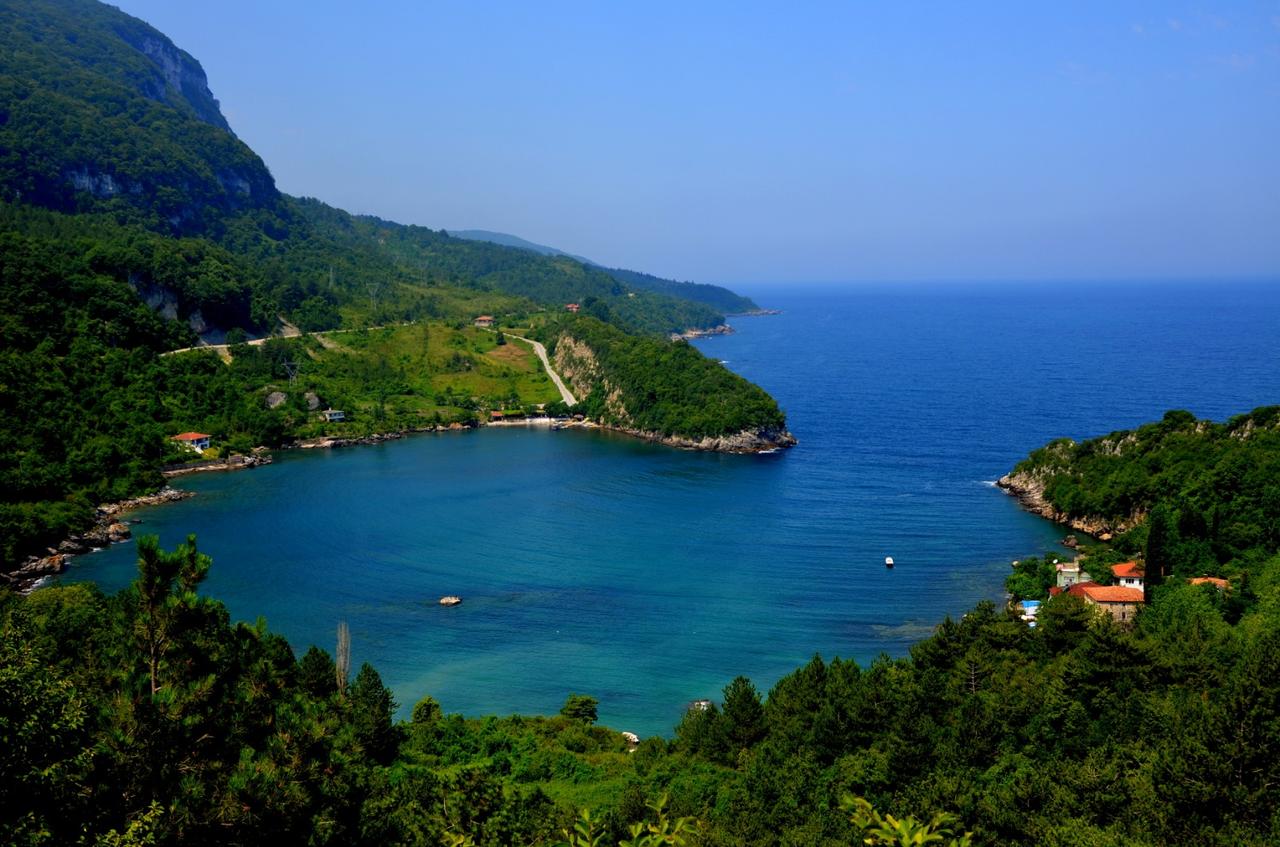
Gideros Bay (Cide Municipality)
Gideros Bay is located approximately 11 kilometers from the district center and is accessible by both land and sea routes. Historically functioning as a natural harbor due to its narrow, sheltered structure, Gideros has today transformed this uniqueness into an appealing asset for nature tourism, heritage tourism, and maritime tourism.
In addition to natural coves suitable for swimming, Gideros Bay features local fish restaurants and small accommodation facilities. These establishments allow visitors to enjoy day trips as well as extended stays. During Summer months and especially toward the end of week, it has been observed that foreign tourists from domestic, Georgia, and Ukraine also visit the area.
The bay is protected as both a first-degree natural site and a second-degree archaeological site. These designations have largely prevented urban development, preserving Gideros’s natural state and enabling it to become a route aligned with the “quiet tourism” concept. Its green forest cover, clear sea, historical ruins, caves, and beaches offer visitors a multifaceted travel experience.
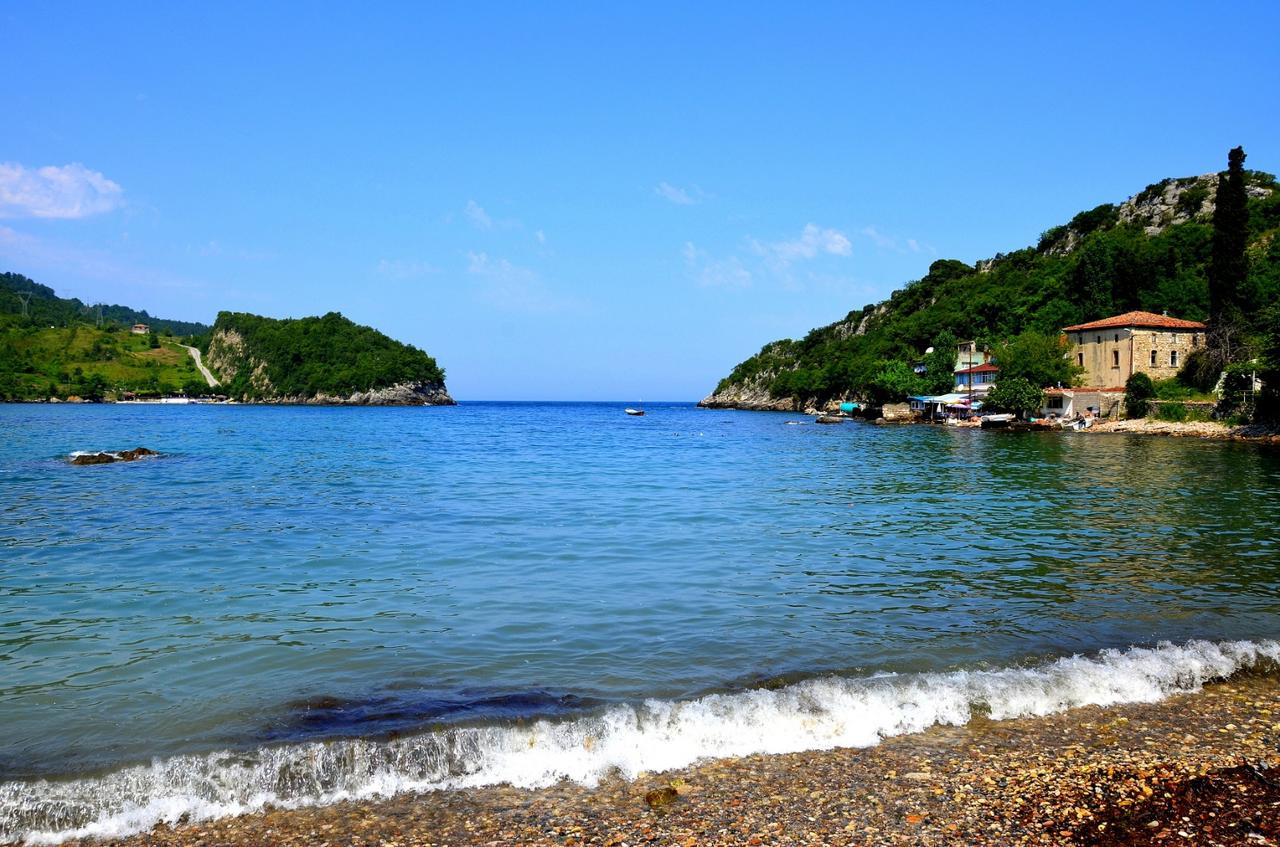
Gideros Bay (Cide Municipality)
Anadolu Ajansı. “Batı Karadeniz'in Güzelliğiyle Cezbeden Koyu: Gideros.” Accessed April 15, 2025. https://www.aa.com.tr/tr/turkiye/bati-karadenizin-guzelligiyle-cezbeden-koyu-gideros/1942706
Cide Belediyesi. "Gideros." Cide Belediyesi Web Sitesi. Accessed April 15, 2025. https://cide.bel.tr/foto/gideros
T.C. Ministry of Culture and Tourism. "Cide." Kastamonu İl Kültür ve Turizm Müdürlüğü. Accessed April 15, 2025. https://kastamonu.ktb.gov.tr/TR-63813/cide.html

History
Archaeological Findings
Natural Structure and Ecosystem
Tourism