


This article was automatically translated from the original Turkish version.
Giresun syndrome is a rare medical condition characterized by total situs inversus (SIT), liver cirrhosis, and cardiac ascites resulting from heart failure. It was first described by the Department of Gastroenterology, Faculty of Medicine, Giresun University in Türkiye and has been recorded in medical literature under the name “Giresun syndrome.” This syndrome, recognized as the first case in the literature in which SIT coexisted with cardiac ascites, is defined by the mirror-image reversal of all abdominal organs and associated liver failure.
SIT is a congenital anomaly characterized by the mirror-image displacement of internal organs. While SIT alone is rare, the simultaneous reversal of all organs and the subsequent development of cirrhosis is exceedingly uncommon. Giresun syndrome was identified through the observation of this combined clinical picture, with the first documented case recorded in 2024.
In Giresun syndrome, patients exhibit abdominal fluid accumulation and tenderness, pretibial edema in the legs, dyspnea, weakness, and fatigue.
Laboratory findings vary depending on the patient’s condition; the initial reported case showed the following results:【1】
Additionally, serological markers for hepatitis B and C, autoimmune hepatitis, and other liver diseases were negative.
In the first documented case, transthoracic echocardiography revealed dextrocardia, biatrial dilation, moderate tricuspid regurgitation, and a left ventricular ejection fraction of 35%. Abdominal ultrasonography demonstrated the liver located in the left upper quadrant and the spleen in the right upper quadrant, confirming the mirror-image reversal of these organs. Chest radiography showed mild cardiomegaly, dextrocardia, and bilateral pleural effusions. Paracentesis revealed moderate ascites, with a serum-ascites albumin gradient (SAAG) of 1.4 g/dL and total protein of 4.6 g/dL. No signs of neutrophilic peritonitis were observed. Based on laboratory and radiological data, the diagnosis of cardiac ascites was confirmed.
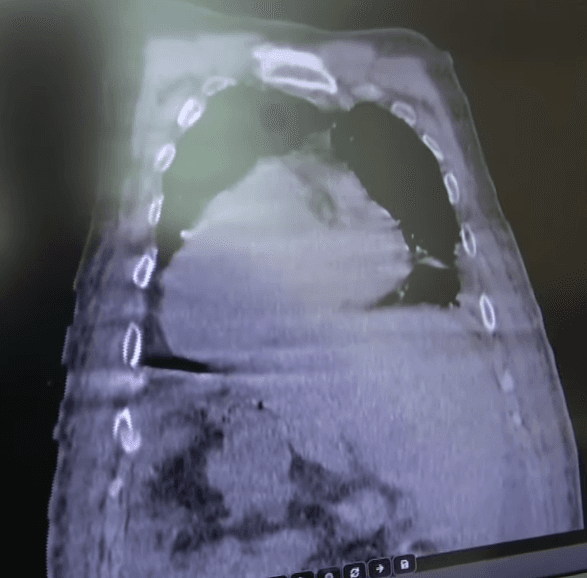
Visualization of the Body in Giresun Syndrome (YouTube)
Giresun syndrome involves the organ displacement caused by SIT, leading to impaired function of the cardiac and hepatic systems. The mirror-image rearrangement of organs compromises the normal physiological roles of the heart and liver. Hepatic dysfunction gradually progresses to cirrhosis. If untreated, cirrhosis can become life-threatening and may necessitate liver transplantation.
The treatment of Giresun syndrome is symptomatic and supportive. Fluid accumulation in the abdomen is managed through sodium restriction and diuretic therapy. If heart failure is present, appropriate cardiological interventions are implemented. Liver function is monitored regularly. Conservative treatment aims to alleviate symptoms. Management is planned through interdisciplinary team collaboration.
Giresun syndrome has been documented in the literature as the first reported case of SIT occurring with cardiac ascites. The initial case involved a 27-year-old male patient. This description contributes to the clinical, laboratory, and imaging characterization of a rare syndrome. It was introduced to the medical literature by the Department of Gastroenterology, Faculty of Medicine, Giresun University, through presentations at national and international congresses.
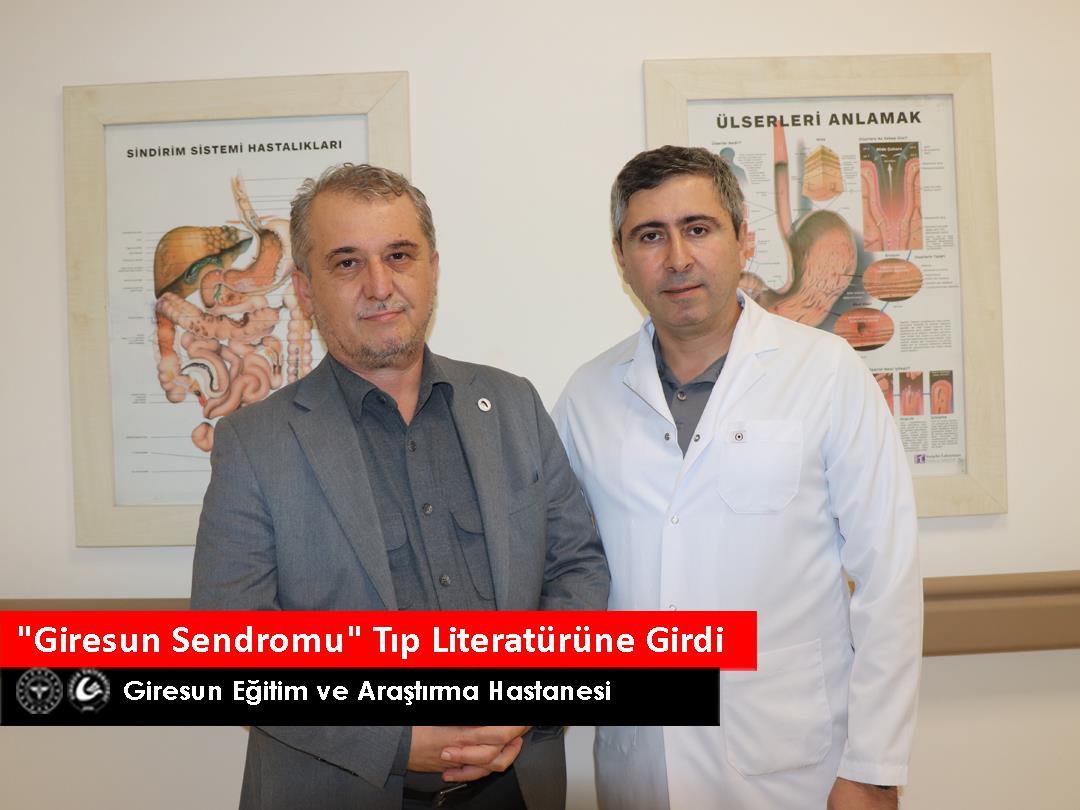
Doctors Prof. Dr. Ahmet Cumhur Dülger and Dr. Gökhan Aydın from the Department of Gastroenterology, Faculty of Medicine, Giresun University (Giresun Education and Research Hospital)
Disclaimer: The content presented here is intended solely for general encyclopedic information. These details must not be used for diagnosis, treatment, or medical referral. Always consult a physician or qualified healthcare professional before making any health-related decisions. The author and KÜRE Encyclopedia assume no responsibility for any consequences arising from the use of this information for diagnostic or therapeutic purposes.
[1]
Ahmet Cumhur, Dülger Gökhan, Aydın ve Bengisu, Ulu Karasu. "Cardiac Ascites in A Patient with Situs İnversus Totalis: Giresun Syndrome. First Case Report in the Literature." Turkish Jornal of Gastroenterology Proceedings of the 41th National Gastroenterology Week içinde 36, no. 1. 2024: s. 64. Erişim 10 Kasım 2025. https://turkjgastroenterol.org/en/proceedings-of-the-41th-national-gastroenterology-week-1629579


Clinical Findings
Imaging and Diagnostic Findings
Pathophysiology
Treatment and Management
Place in the Literature