


This article was automatically translated from the original Turkish version.
+2 More
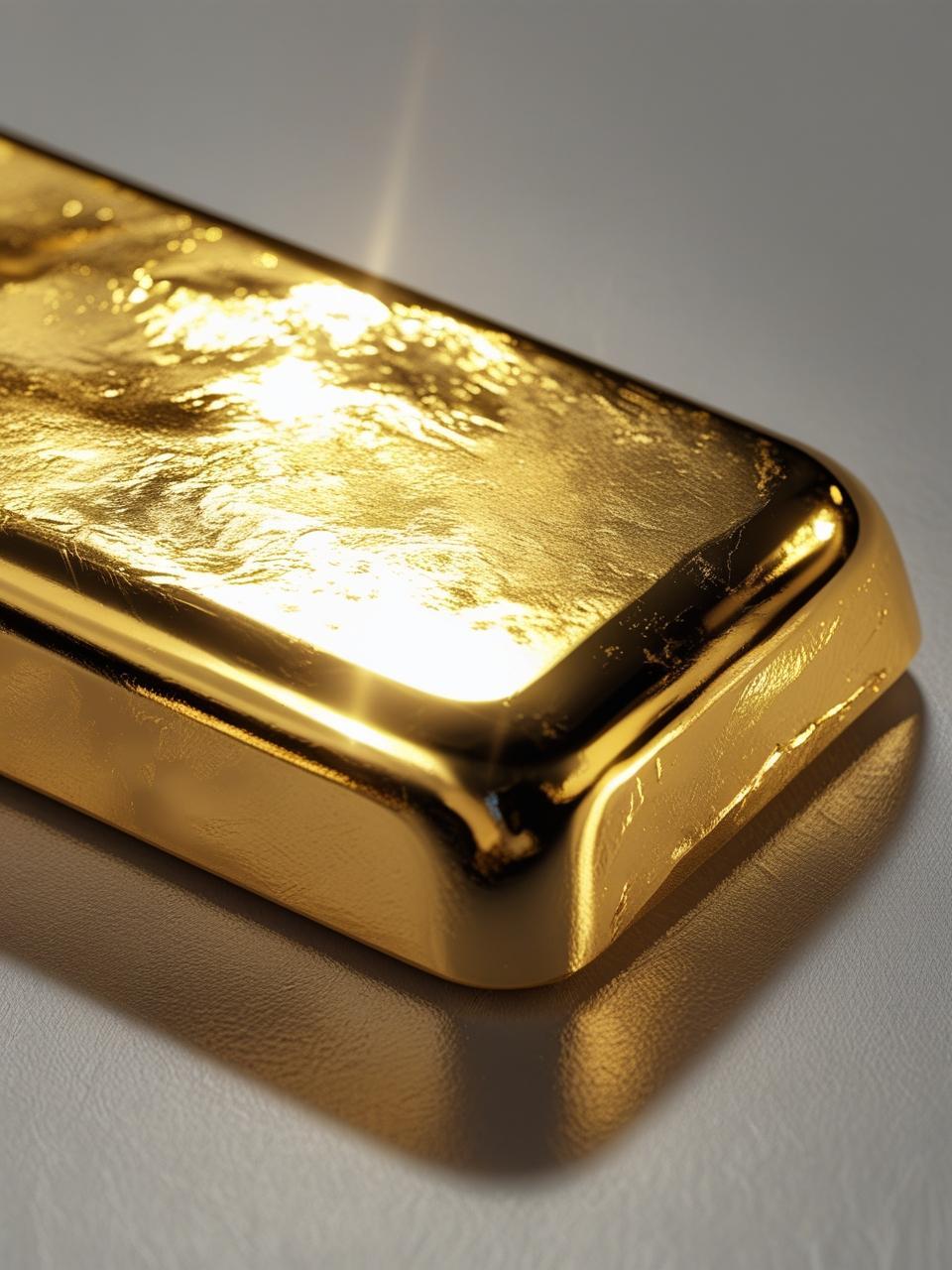
Gold
Symbol | Au | ||||||||
|---|---|---|---|---|---|---|---|---|---|
Periodic Table | 6 | ||||||||
Atomic Number | 79 | ||||||||
Group | 11 (Transition Metal) | ||||||||
Atomic Weight | (196.966570) g/mol | ||||||||
Electron Configuration | [Xe] 4f¹⁴5d¹⁰6s¹ | ||||||||
Density | 19.3 g/cm³ | ||||||||
Melting Point | 1064.18 °C | ||||||||
Boiling Point | 2836 °C | ||||||||
Atomic Radius | ~214 pm | ||||||||
Electronegativity | 2.4 | ||||||||
Electron Affinity | 222.749 kj/mol | ||||||||
Important Isotopes | ¹⁹⁷Au (natural - stable) | ||||||||
Year of Discovery(ies) | Ancient times (3000 BCE) | ||||||||
Discoverer(s) | Ancient civilizations | ||||||||
Etymology(s) | shining dawn) Latin "aurum" (gold | ||||||||
Gold (Au) is the 79th element in the periodic table. This element, which exists in solid form at room temperature, is one of the rare metals commonly found in nature in its native state. Gold, used in industrial, electronic, medical, and financial applications, has been known and worked by humans since prehistoric times.
Gold (Au) is a transition metal located in the 6th period and 11th group of the periodic table. It belongs to the same group as copper and silver and shares certain properties with these elements. Its electron configuration is [Xe] 4f¹⁴5d¹⁰6s¹. It is solid at room temperature and is one of the densest metals, with a density of approximately 19.3 g/cm³. Gold is the most malleable and ductile metal known; one gram of gold can be hammered into a nearly transparent sheet covering approximately one square meter.
Due to its bright color and frequent occurrence in nature in its native form, gold is one of the first metals known and used by humans, dating back to at least 3000 BCE. Consequently, it has no single discoverer or specific discovery date. It was widely used by ancient civilizations such as Egypt, Mesopotamia, and the Indus Valley for the production of jewelry, artworks, and religious objects. The minting of the first gold coins by the Lydians in the 7th century BCE established its institutionalization as a medium of exchange.

Gold (Generated by Artificial Intelligence)
The word "gold" derives from Old Turkish. The chemical symbol "Au" comes from the Latin word "aurum," meaning gold, which is also associated with "shining dawn."
Gold is a rare element in the Earth's crust. It is typically found in its native metallic form, often in alluvial deposits in riverbeds or within quartz veins alongside other minerals. It may occur as small particles, flakes, or larger nuggets. Trace amounts can also be found within certain sulfide minerals such as pyrite. Modern gold production is carried out through large-scale open-pit or underground mining operations. Major producing countries include China, Australia, Russia, the United States, and Canada.
Physically, gold has a distinctive bright yellow color, a result of relativistic effects altering the behavior of its electrons. Its melting point is 1064.18 °C and its boiling point is 2836 °C. Its atomic radius is approximately 214 pm, and its electronegativity value of 2.4 is relatively high. Gold exhibits high thermal and electrical conductivity.
Chemically, gold is a metal with low reactivity. It is unaffected by air, water, single acids, or bases, making it resistant to tarnishing and corrosion. It dissolves only in a highly oxidizing mixture of nitric acid and hydrochloric acid known as aqua regia. It also dissolves in cyanide solutions by forming complex ions, a property exploited in gold mining to extract gold from ore. In its compounds, gold commonly exhibits oxidation states of +1 (aurous) and +3 (auric).

Gold (Generated by Artificial Intelligence)
Gold has only one naturally occurring stable isotope: gold-197 (¹⁹⁷Au). Therefore, gold is a monoisotopic element. The isotope ¹⁹⁷Au is the only significant one. Numerous radioactive isotopes have been artificially produced, with half-lives ranging from seconds to days. Some radioactive isotopes, such as gold-198 (¹⁹⁸Au), have been used in the treatment of certain types of cancer.
Metallic gold is biologically inert and non-toxic. Since it does not react with the body, the likelihood of causing allergic reactions is very low. For this reason, it is safely used in medical implants and dentistry. However, certain gold compounds, such as gold salts, can be toxic, especially at high doses or with prolonged use, potentially causing kidney or liver damage. Otherwise, no special safety precautions are generally required for gold.
National Center for Biotechnology Information. “Gold.” PubChem Compound Database. Accessed July 7, 2025. https://pubchem.ncbi.nlm.nih.gov/element/Gold
TÜBİTAK Bilim Genç. "Altın." Bilim Genç. Accessed July 7, 2025. https://bilimgenc.tubitak.gov.tr/periyodik-tablo/altin

Gold
Symbol | Au | ||||||||
|---|---|---|---|---|---|---|---|---|---|
Periodic Table | 6 | ||||||||
Atomic Number | 79 | ||||||||
Group | 11 (Transition Metal) | ||||||||
Atomic Weight | (196.966570) g/mol | ||||||||
Electron Configuration | [Xe] 4f¹⁴5d¹⁰6s¹ | ||||||||
Density | 19.3 g/cm³ | ||||||||
Melting Point | 1064.18 °C | ||||||||
Boiling Point | 2836 °C | ||||||||
Atomic Radius | ~214 pm | ||||||||
Electronegativity | 2.4 | ||||||||
Electron Affinity | 222.749 kj/mol | ||||||||
Important Isotopes | ¹⁹⁷Au (natural - stable) | ||||||||
Year of Discovery(ies) | Ancient times (3000 BCE) | ||||||||
Discoverer(s) | Ancient civilizations | ||||||||
Etymology(s) | shining dawn) Latin "aurum" (gold | ||||||||
Classification and Fundamental Properties
Discovery
Etimology
Natural Occurrence
Physical and Chemical Properties
Isotopes
Applications
Biological Role and Precautions